Understanding the Impact of Water Damage on Structural Integrity
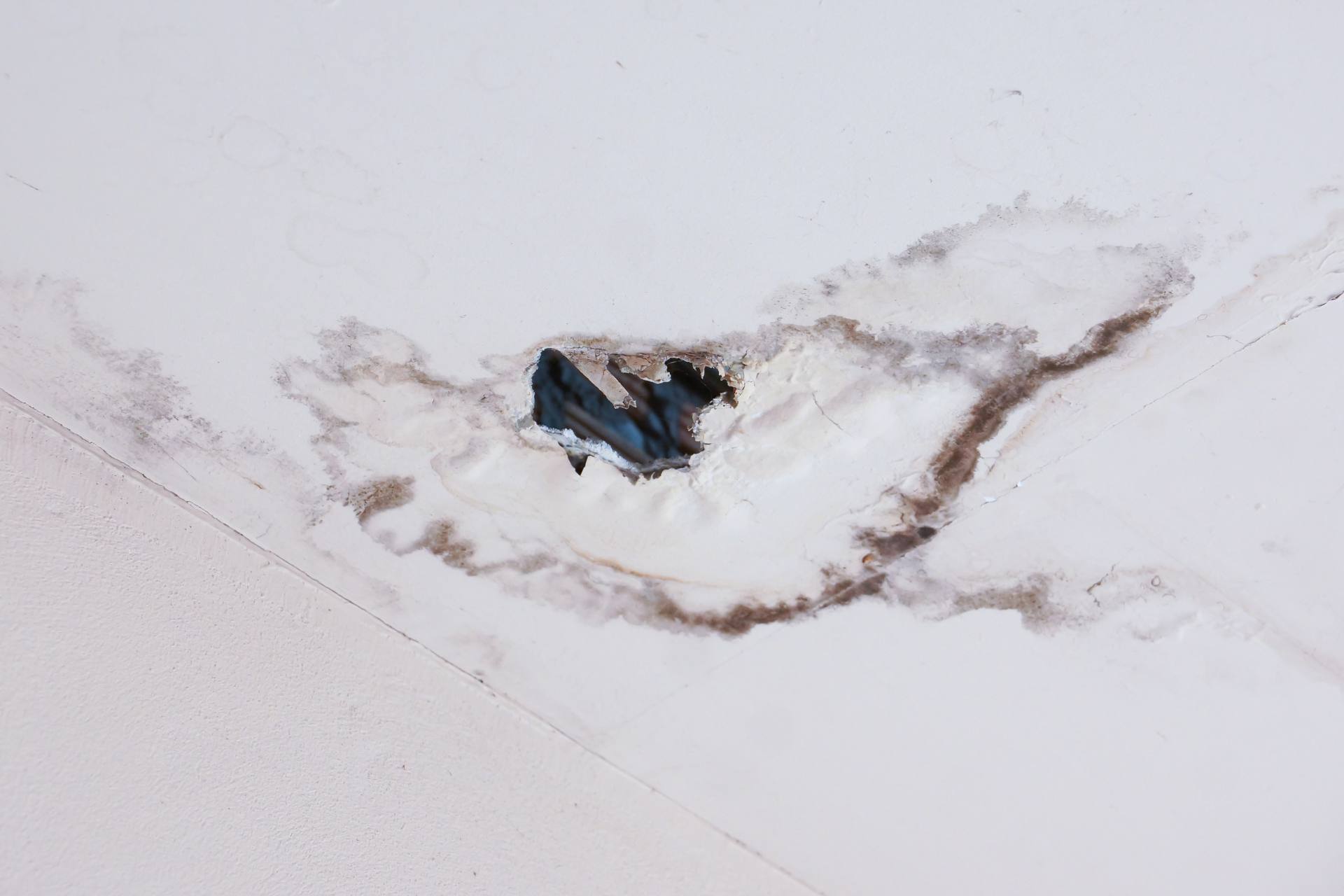
Water damage is a common issue that can wreak havoc on the structural integrity of homes and buildings. It can sneak up on you in a variety of ways, whether through a burst pipe, leaky roof, or flooding from a natural disaster. When left untreated, water damage can result in costly repairs, mold growth, and compromised structural stability.
At Utah Flood Guys, we understand the importance of addressing water damage promptly to prevent further deterioration and potential health risks. Our team of experts is dedicated to restoring your property and ensuring that it is safe and habitable once again.
How Water Damage Affects Structural Integrity
Water damage doesn't just cause cosmetic issues like peeling paint or warped floors. It can also significantly impact the structural integrity of a building. Here are some ways water damage can compromise the stability of your property:
1. Weakening of Building Materials
When water seeps into walls, ceilings, and floors, it can weaken the materials that make up the structure. Wood, drywall, and insulation are particularly susceptible to water damage, leading to deterioration and potential collapse over time.
2. Foundation Damage
Excessive water around the foundation of a building can cause the soil to erode, leading to foundation cracks and instability. This can result in uneven floors, doors and windows that don't close properly, and other structural issues.
3. Mold Growth
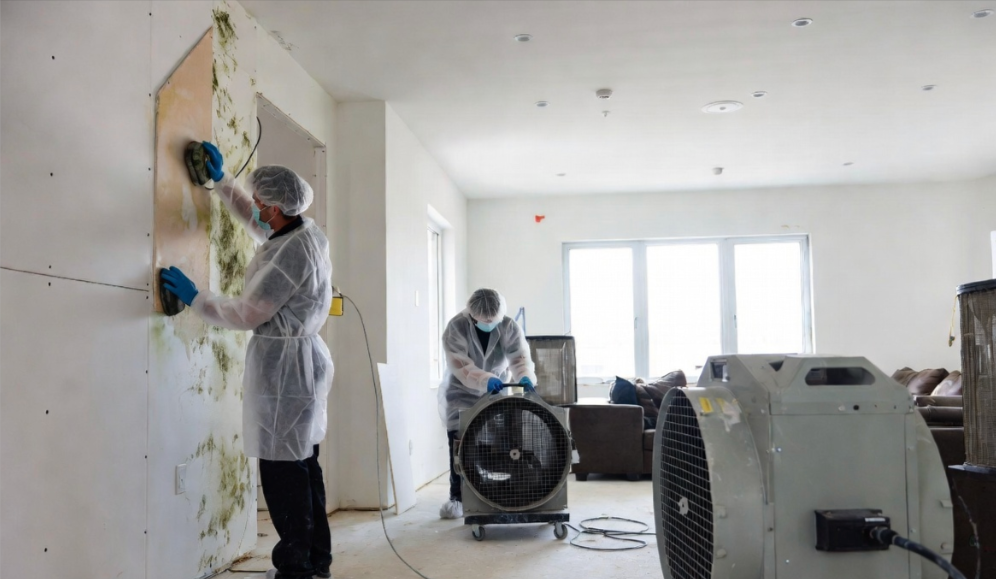
One of the most significant risks of water damage is the growth of mold. Mold thrives in damp and humid environments, and once it takes hold, it can spread quickly throughout a property. Mold not only poses health risks but can also weaken the structural integrity of a building.
4. Electrical Hazards
Water damage can also pose electrical hazards. If water infiltrates electrical systems, it can cause short circuits, fires, and other safety risks. Wet outlets, appliances, and wiring should be inspected by professionals before use to prevent accidents.
Preventing Water Damage and Protecting Structural Integrity
Prevention is key when it comes to protecting your property from water damage and maintaining its structural integrity. Here are some tips to help prevent water damage:
1. Regular Maintenance
Stay on top of routine maintenance tasks like inspecting your roof for leaks, checking for plumbing issues, and ensuring that gutters and downspouts are clear of debris.
2. Proper Drainage
Ensure that your property has adequate drainage to direct water away from the foundation. Install downspout extensions, grade the soil away from the building, and consider installing a sump pump in areas prone to flooding.
3. Repair Leaks Promptly
If you spot a leak, address it immediately to prevent further water damage. Whether it's a dripping faucet, a leaking pipe, or a damaged roof, don't delay repairs.
4. Professional Inspection
Schedule regular inspections with a professional restoration company like Utah Flood Guys to assess potential water damage risks and address any issues before they escalate.
Conclusion
Water damage can have a significant impact on the structural integrity of a property, leading to costly repairs and safety hazards. By understanding the risks of water damage and taking proactive steps to prevent it, you can protect your home or business and ensure its long-term stability. If you're dealing with water damage, don't hesitate to reach out to the experts at Utah Flood Guys for prompt and reliable restoration services. Let us help you restore your property and give you peace of mind knowing that your structural integrity is in good hands.
You might also like
Utah Flood Guys Blog