
Understanding the Costs of Fire Damage Restoration: What Homeowners Need to Know
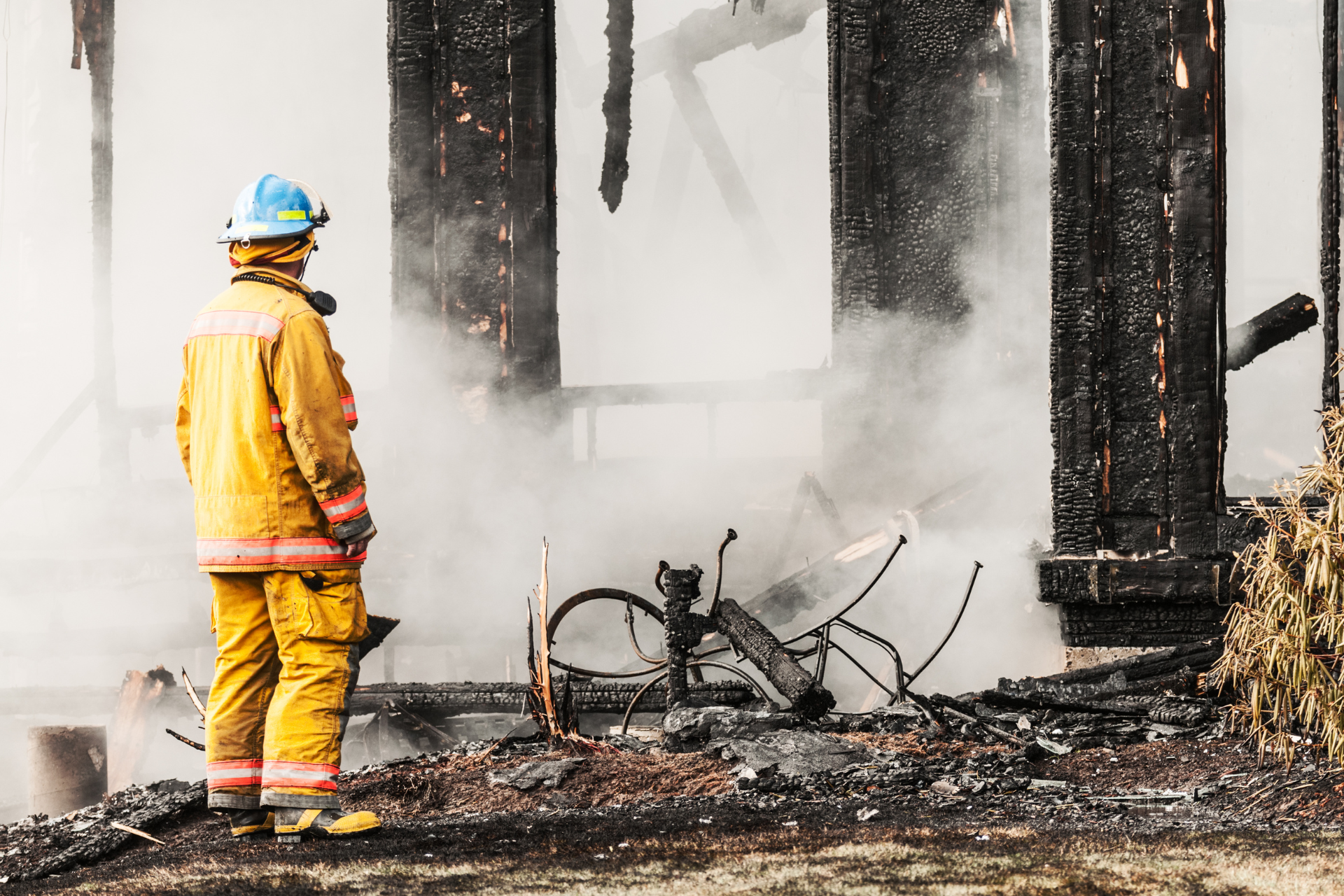
When a fire strikes your home, the aftermath can be overwhelming. Besides the emotional toll, there’s the daunting task of restoring your property to its former state. Understanding the costs associated with fire damage restoration is crucial for homeowners navigating this difficult situation. Here at Utah Flood Guys, we aim to provide clarity on this topic, so you can feel empowered during your recovery process.
Initial Assessment
The first step in the restoration process is a thorough assessment of the damage. Professionals typically inspect the extent of the fire's impact, which includes not just the visible destruction but also the hidden damage caused by smoke and soot. This initial assessment usually costs between "$200 and $500". While this may seem like a significant upfront cost, it's essential for accurately determining the subsequent steps and ensuring effective restoration.
Cleaning and Removal
After the assessment, the next phase involves cleaning up the mess and removing any debris or charred materials from your home. The cost for these services can vary widely depending on the amount of damage. Typically, you could be looking at anywhere from "$1,000 to $15,000" for extensive cleanup. Factors influencing the price include labor costs, the size of the area affected, and the materials that need to be disposed of safely.
Structural Repairs
One of the most significant expenses in fire damage restoration is repairing structural elements of your home that may have been compromised. This could include the repairs to walls, roofs, and floors. Depending on the extent of the damage, rebuilding can range from "$5,000 to $50,000" or more. Engaging a knowledgeable restoration contractor, like those at Utah Flood Guys, can help ensure that repairs meet all local building codes and safety standards.
Smoke and Soot Cleanup
Even if your home did not suffer extensive fire damage, smoke and soot can cause significant issues—especially with indoor air quality. Specialized cleaning techniques are required to eliminate these residues, often involving professional-grade cleaning solutions and equipment. You might expect to pay between "$1,500 and $3,000" for thorough smoke and soot remediation.
Contents Restoration
Your personal belongings may also need restoration or replacement. Items like furniture, clothing, and personal items can often be salvaged, but this process can be labor-intensive and costly. Contents restoration can range from "$500 to $10,000" depending on the value of the items and the level of restoration required.
Insurance Considerations
Navigating the restoration costs can be complex, but your homeowner’s insurance policy may cover many of these expenses. It’s crucial to document all damage thoroughly and communicate with your insurance provider about what is covered. Having professionals like Utah Flood Guys handle the cleanup can help streamline this process, as they can provide detailed accounts of the damage and the required restoration work.
Final Thoughts
Understanding the costs involved in fire damage restoration can help homeowners make informed decisions during a challenging time. While the expenses can be considerable, working with experienced restoration professionals ensures that your home is restored safely and effectively. At Utah Flood Guys, we’re here to support you every step of the way, providing expert services in fire damage restoration, as well as other recovery solutions. Your path to recovery starts with a single step—don’t hesitate to reach out for help!
You might also like
Utah Flood Guys Blog