The Utah Homeowner's Guide to Preventing Frozen Pipes
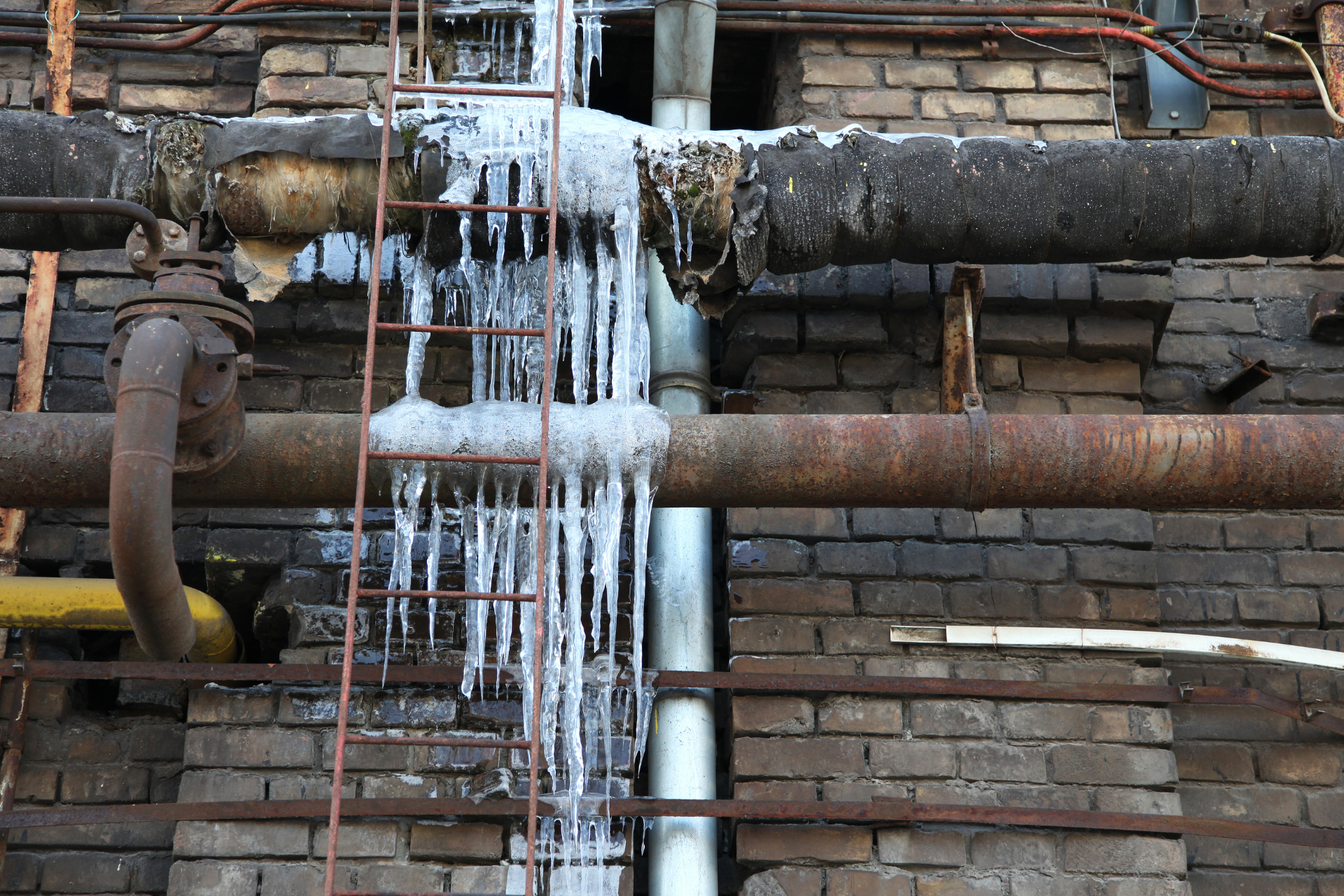
Frozen Pipes

Hey there, Utah homeowners! As the temperatures outside drop and Jack Frost comes nipping at your door, it's time to start thinking about protecting your home from the potential havoc that frozen pipes can wreak. Don't wait until disaster strikes - take some proactive steps to prevent frozen pipes and avoid the headaches and costly repairs that come with burst pipes.


At Utah Flood Guys, we've seen our fair share of water damage caused by frozen pipes, and we're here to help you navigate through the ice and snow to keep your pipes safe and sound. Here are some practical tips to keep those pipes flowing smoothly all winter long:


1. Keep your home cozy

One of the easiest ways to prevent frozen pipes is to keep your home warm, even when you're not there. Set your thermostat to a consistent temperature, especially at night or when you're away for an extended period. Insulate your walls, floors, and attic to keep the heat in and the cold out.


2. Seal up drafts

Check for any gaps or cracks around doors, windows, and pipes that could let cold air in. Use weather stripping, caulk, or insulation to seal up these areas and keep the warmth inside your home.


3. Let the faucet drip

When temperatures dip below freezing, let your faucets drip slowly to keep water flowing through the pipes. Moving water is less likely to freeze, so this simple trick can help prevent blockages and bursting pipes.


4. Open cabinet doors

For pipes under sinks or in cabinets against exterior walls, open the doors to allow warm air to circulate around the pipes. This helps prevent them from freezing during cold snaps.


5. Wrap it up

Insulate your pipes with foam sleeves or heat tape, especially if they are located in unheated areas like basements, attics, or crawl spaces. This extra layer of protection can make all the difference in preventing frozen pipes.


6. Disconnect hoses

If you have outdoor hoses connected to your faucets, be sure to disconnect and drain them before winter sets in. Water left in hoses can freeze and expand, causing damage to both the hose and the faucet.


7. Shut off exterior faucets

Before the first freeze of the season, shut off the water supply to outdoor faucets and drain any remaining water to prevent frozen pipes and potential leaks.


Don't let frozen pipes put a damper on your winter wonderland. By taking these simple steps to prevent frozen pipes, you can rest easy knowing your home is protected from water damage. If disaster does strike and you find yourself facing a burst pipe or water damage, remember that Utah Flood Guys is here to help. Our team of experienced professionals is ready to spring into action to provide fast and efficient water damage restoration services for your home or business.


Stay warm, stay safe, and keep those pipes flowing freely this winter season. Happy winterizing, Utah homeowners!

You might also like

Utah Flood Guys Blog

UtaStructural dryng in the Utah climate
By Ryan Spelts December 1, 2025
Discover how often flooding occurs in Utah and why our unique climate demands specialized structural drying. Expert insights on water damage restoration.
By Ryan Spelts November 17, 2025
Complete guide to handling dishwasher water damage in Utah homes. Learn immediate response steps, insurance tips, and prevention strategies. 24/7 help available.
By Ryan Spelts November 7, 2025
Nobody expects to wake up to ankle-deep water in their basement or watch helplessly as spring snowmelt turns their home into an unplanned water feature. Here in Utah, we face unique challenges from notorious spring runoff, surprise flash floods, and pipes that burst when temperatures drop below freezing. The good news is that proven methods exist to address these problems effectively. Utah flood restoration isn't just about Shop-Vacs and fans. It's a science-backed process that, when done correctly, can have your home looking like nothing ever happened–often in even better condition than before. Understanding what professional restoration entails helps you make informed decisions during a stressful time. Complete Utah Flood Restoration Process: Step-by-Step The process of Utah flood restoration follows a methodical approach that makes sense once you understand how each phase builds on the previous one. Initial Emergency Response starts when you call for help. Within 2-4 hours, a professional crew should arrive to assess safety by checking for electrical hazards, structural damage, and contamination levels. This assessment determines the entire scope of work and helps classify the water damage category. Water Extraction Methods are where serious equipment makes the difference in flood damage repair. Truck-mounted extraction units can pull 300 gallons per minute–emptying an average hot tub in about 90 seconds. The goal isn't just removing visible water; it's getting moisture levels low enough that secondary damage like warping and microbial growth can't take hold. Structural Drying Techniques separate professionals from weekend warriors. Strategic drying requires understanding psychrometrics–the relationship between temperature, humidity, and evaporation rates. Professional water damage restoration teams use this knowledge to position commercial dehumidifiers and air movers in configurations that maximize airflow while controlling the environment to promote rapid, safe drying. Damage Assessment & Documentation happens throughout the process. Every water-damaged item gets photographed, categorized, and logged with detailed descriptions. Insurance companies want specific moisture readings, thermal imaging shots showing water migration patterns, and detailed inventories. Extensive documentation expedites claims processing. Restoration vs. Replacement Decisions often surprise homeowners. That warped hardwood floor might be salvageable with proper drying and refinishing, potentially saving thousands. But particle board cabinets that absorbed water rarely recover their structural integrity. Professional guidance helps you make cost-effective decisions based on both immediate expenses and long-term value. 

Book a Service Today