The Ultimate Guide to Water Damage Restoration: What to Do Immediately After a Flood
Introduction:
Dealing with the aftermath of a flood can be overwhelming and stressful. Water damage can happen quickly and wreak havoc on your property, leading to mold growth, structural issues, and health hazards. In such situations, it's crucial to act swiftly and effectively to minimize the damage. As a trusted restoration company in Utah, Utah Flood Guys is here to provide you with the ultimate guide on what to do immediately after a flood to protect your property and your family.
1. Safety First:
The safety of you and your family should always be the top priority. Before entering your property after a flood, ensure that it is safe to do so. Look out for electrical hazards, structural damage, and any other potential dangers. If in doubt, it's best to wait for professional help to arrive.
2. Document the Damage:
As soon as it is safe to do so, document the extent of the water damage by taking photos and videos. This information will be valuable for insurance claims and restoration purposes. Make a detailed list of damaged items and areas in your property.
3. Contact Your Insurance Company:
Notify your insurance company as soon as possible to start the claims process. Provide them with all the necessary information and documentation of the damage. Utah Flood Guys can help you navigate the insurance process and ensure that you get the coverage you deserve.
4. Turn Off Utilities:
If it is safe to do so, turn off the electricity, gas, and water supply to your property to prevent further damage and hazards. If you are unsure how to do this safely, wait for professionals to assist you.
5. Remove Water:
Start extracting the water from your property using pumps, wet/dry vacuums, and mops. The sooner you remove the water, the less damage it will cause. Utah Flood Guys offers professional water extraction services to help you get your property dry quickly.
6. Dry Out the Property:
After removing the water, focus on drying out the affected areas. Use fans, dehumidifiers, and open windows to increase airflow and speed up the drying process. Mold can start growing within 24-48 hours of a flood, so it's vital to dry out your property as soon as possible.
7. Salvage What You Can:
Sort through your belongings and salvage what you can. Items that have been soaked in contaminated water may need to be discarded to prevent health risks. Utah Flood Guys can help with content cleaning and restoration to save as many of your belongings as possible.
8. Prevent Mold Growth:
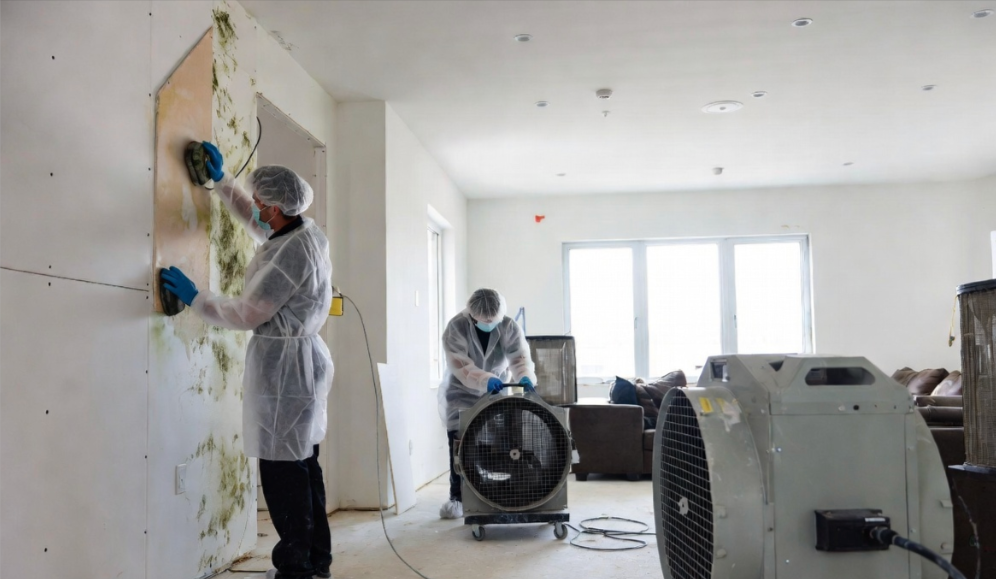
Mold thrives in damp, dark environments, making flooded properties the perfect breeding ground. To prevent mold growth, thoroughly dry out your property, clean and disinfect affected areas, and consider professional mold remediation services.
Conclusion:
Dealing with water damage after a flood can be a daunting task, but with the right knowledge and support, you can restore your property to its former glory. Utah Flood Guys is here to assist you every step of the way, from water extraction and drying to mold remediation and restoration. By acting quickly and following the steps outlined in this guide, you can ensure a successful water damage restoration process and protect your property for the future. Remember, we are here to help you recover from any disaster, so don't hesitate to reach out to Utah Flood Guys for professional and reliable restoration services.
You might also like
Utah Flood Guys Blog