The Top Causes of Flooding in Utah and How to Protect Your Property
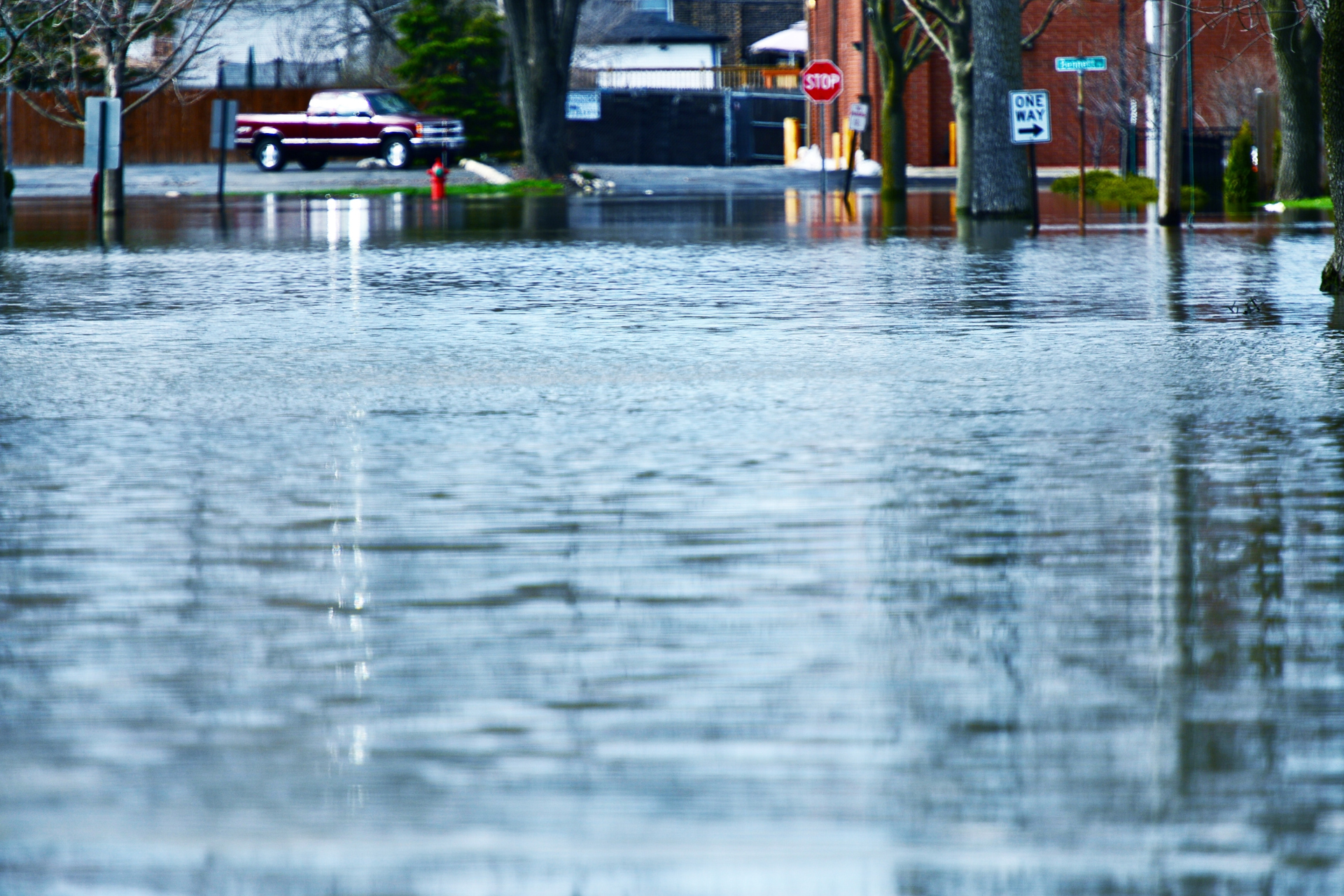
Welcome back, Utah Flood Guys family! Today, we're diving into a topic that hits close to home for many Utah homeowners and business owners - flooding. Living in Utah, we're no strangers to extreme weather conditions that can lead to devastating floods. From heavy rainfall to snowmelt and even flash floods, our state faces various factors that can leave properties vulnerable to water damage. But fear not, because today we're sharing the top causes of flooding in Utah and some practical tips on how you can protect your property from the next deluge.
1. Intense Rainfall:
Utah is no stranger to sudden and intense rainfall, especially during monsoon season or thunderstorms. When heavy rain falls over a short period of time, the ground may become saturated quickly, leading to flash flooding. To protect your property, make sure your gutters are clear of debris, and your downspouts direct water away from your foundation. Consider installing a rain barrel to catch excess water and prevent it from pooling around your property.
2. Snowmelt:
Living in a state known for its beautiful snowy landscapes, it's essential to be prepared for the spring thaw. As the snow begins to melt, the runoff can overwhelm drainage systems and lead to flooding. Keep an eye on the snow buildup around your property and ensure that your sump pump is in good working condition. Properly insulate your pipes to prevent them from freezing and potentially bursting, causing water damage when the snow begins to melt.
3. Flash Floods:
Flash floods are sudden and intense floods that can occur within minutes or hours of heavy rainfall. Utah's rugged terrain can exacerbate the risk of flash floods, with water quickly rushing down mountains and canyons, overwhelming properties in its path. When a flash flood warning is issued, move to higher ground and avoid walking or driving through floodwaters. Ensure that your property is equipped with flood insurance to cover any potential damages caused by flash floods.
4. Dam or Levee Breaks:
Utah is home to several dams and levees designed to manage water flow and prevent flooding. However, these structures can fail due to aging infrastructure, extreme weather conditions, or natural disasters. In the event of a dam or levee break, it's crucial to have an emergency plan in place. Familiarize yourself with evacuation routes, pack a disaster kit with essential supplies, and stay informed through local news and weather alerts.
5. Urban Development:
The rapid growth of urban areas in Utah has led to increased impervious surfaces such as roads, parking lots, and buildings. These surfaces prevent water from soaking into the ground, leading to runoff that can overwhelm drainage systems and cause localized flooding. Consider implementing green infrastructure such as rain gardens, permeable pavement, or retention ponds to manage stormwater and reduce the risk of flooding on your property.
At Utah Flood Guys, we understand the stress and uncertainty that comes with water damage and flooding. Our team of experts is dedicated to providing efficient and reliable restoration services for residential and commercial properties. Whether you're dealing with water damage, mold infestation, or fire damage, you can count on Utah Flood Guys to restore your property to its pre-loss condition.
Remember, preparation is key when it comes to protecting your property from the top causes of flooding in Utah. Stay informed, have a plan in place, and don't hesitate to reach out to Utah Flood Guys for professional assistance. Together, we can weather any storm and emerge stronger on the other side. Stay safe and dry, Utah Flood Guys family!
You might also like
Utah Flood Guys Blog