How to Prevent Water Damage in Your Utah Home During Winter
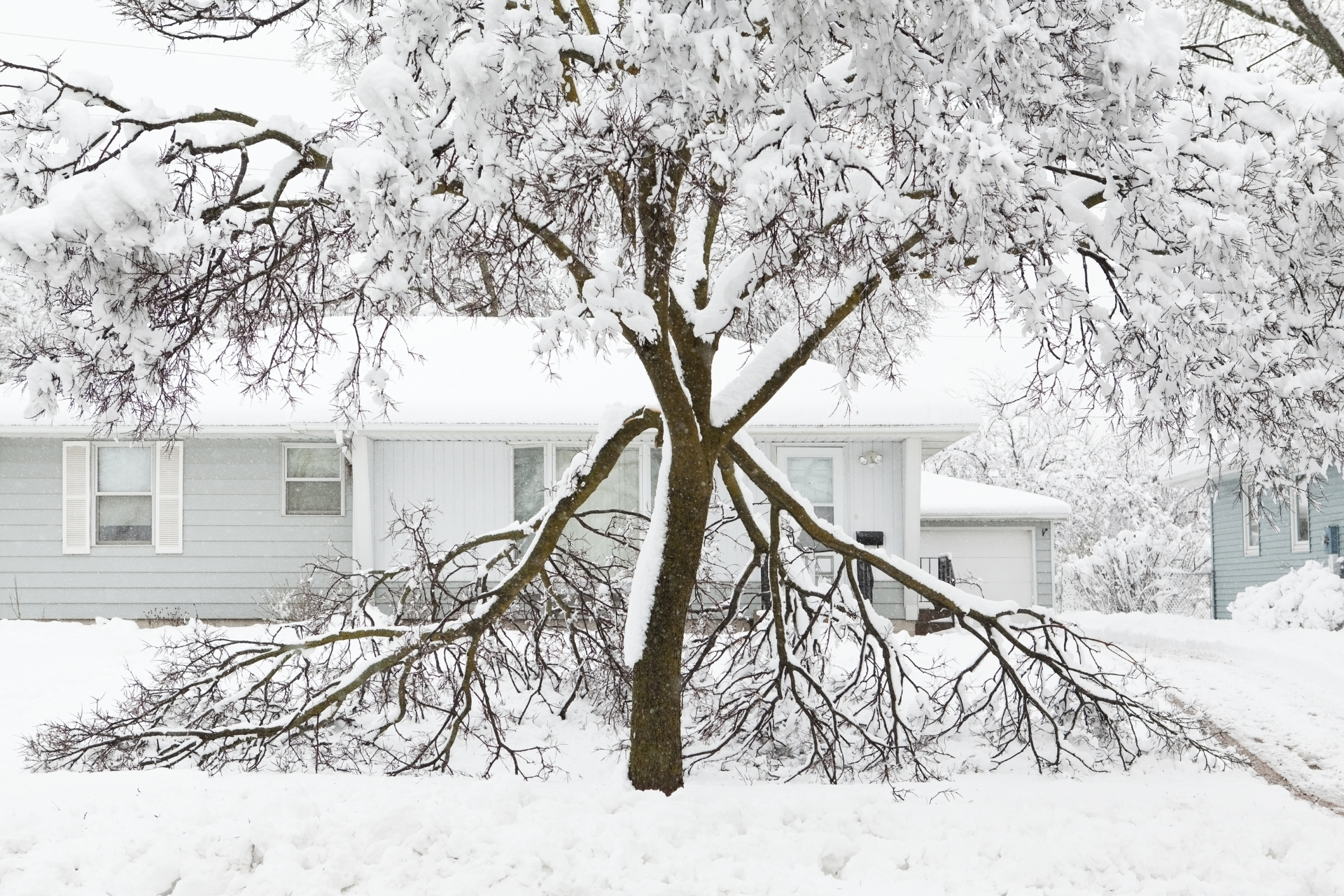
Winter in Utah is a magical time of year, with snowy landscapes and cozy nights by the fire. However, along with the beauty of the season comes the risk of water damage to your home. As temperatures drop and snow and ice build up, the potential for water-related disasters increases. But fear not! With a few simple precautions and some proactive measures, you can protect your home from water damage this winter. In this blog post, we'll share some practical tips and tricks to help you safeguard your Utah home during the colder months.
As the leading experts in disaster cleanup in Utah, the Utah Flood Guys are here to help you navigate the challenges of winter weather and keep your home safe and dry. With our years of experience in water damage restoration, mold removal, and fire damage cleanup, we've seen it all - and we're here to share our knowledge with you.
1. Insulate Your Pipes
One of the most common causes of water damage in winter is frozen pipes. When water freezes inside your pipes, it can cause them to burst, leading to leaks and flooding in your home. To prevent this from happening, make sure to insulate your pipes properly. This can be done using foam pipe insulation, heat tape, or by simply keeping your home well-heated during cold snaps.
2. Keep Your Gutters Clear
Clogged gutters are another common cause of water damage during winter. When gutters are blocked by leaves, ice, or other debris, water can overflow and seep into your home's foundation, causing damage to walls, floors, and ceilings. Make sure to clean your gutters regularly and ensure they are free of obstructions to allow water to flow freely away from your home.
3. Seal Windows and Doors
Drafty windows and doors can let cold air and moisture into your home, increasing the risk of water damage and mold growth. Before winter sets in, check the seals around your windows and doors and make any necessary repairs or replacements. Adding weather-stripping or caulking can help to keep your home warm and dry, reducing the chance of leaks and water infiltration.
4. Monitor Your Roof
Your roof plays a crucial role in protecting your home from the elements. Inspect your roof for missing shingles, cracks, or other signs of damage, and repair any issues promptly. Snow and ice can accumulate on your roof during winter, leading to leaks and water damage if not properly managed. Make sure to maintain your roof throughout the winter months to prevent costly repairs down the line.
5. Install a Sump Pump
If your home is prone to flooding or water damage, consider installing a sump pump in your basement or crawl space. A sump pump can help to prevent water buildup during heavy rains or snowmelt, keeping your home dry and free from water damage. Be sure to test your sump pump regularly and have it serviced by professionals to ensure it is in good working condition.
6. Prepare for Emergencies
Despite your best efforts, accidents can still happen. Be prepared for emergencies by knowing where your main water shut-off valve is located and how to turn it off in case of a burst pipe or flooding. Keep emergency contacts, such as the Utah Flood Guys, handy in case you need immediate assistance with water damage restoration or cleanup.
By following these simple tips and staying vigilant during the winter months, you can protect your Utah home from water damage and enjoy a safe and cozy season. Remember, prevention is key when it comes to avoiding the headaches and costs associated with water-related disasters. If you do find yourself dealing with water damage this winter, don't hesitate to reach out to the Utah Flood Guys for expert assistance and peace of mind.
Stay warm, stay dry, and stay safe this winter!
As always, the Utah Flood Guys are here for you when disaster strikes. Contact us for professional water damage restoration, mold removal, and fire damage cleanup services in Utah.
You might also like
Utah Flood Guys Blog