The Role of Humidity in Water Damage
Welcome to the Utah Flood Guys blog! Today, we’re diving into an often underestimated factor in the world of water damage: humidity. While it might seem like a minor detail, humidity plays a significant role in how water damage manifests and can even influence the effectiveness of restoration efforts. Let’s explore why understanding humidity is crucial in preventing and managing water damage.
What is Humidity?
At its core, humidity refers to the amount of moisture present in the air. It’s typically expressed as a percentage — when humidity levels reach 100%, the air is completely saturated with moisture, meaning it cannot hold any more. In Utah’s varied climate, humidity levels fluctuate significantly, ranging from the bone-dry air of the desert to more humid conditions in the mountainous regions.
How Humidity Affects Water Damage
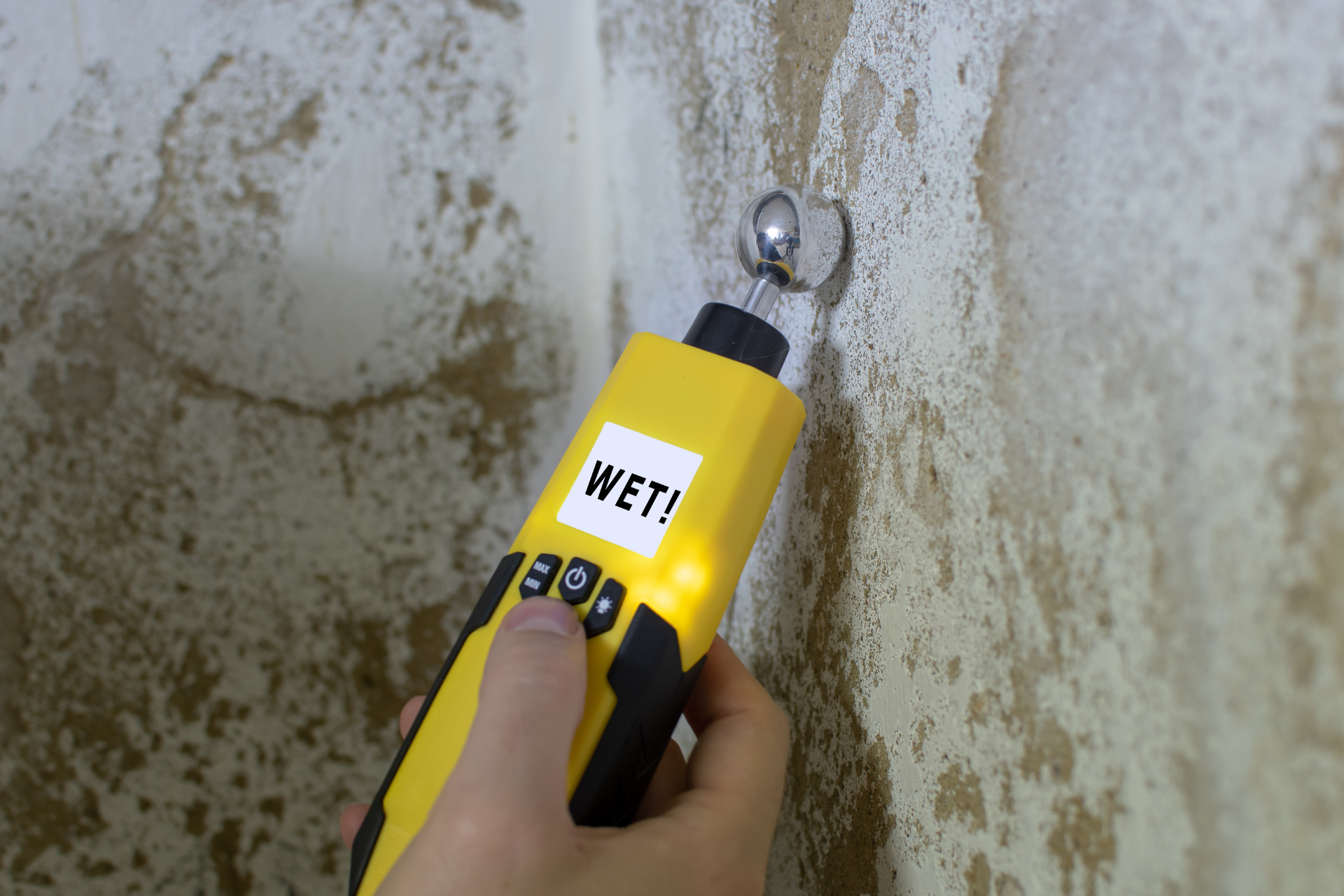
When water damage occurs, the ambient humidity in the surrounding environment can have a profound impact on the drying process. If the humidity is high, it makes it much harder for moisture to evaporate from wet surfaces, prolonging the drying time and increasing the risk of secondary damage, such as mold growth.
High Humidity: A Recipe for Disaster
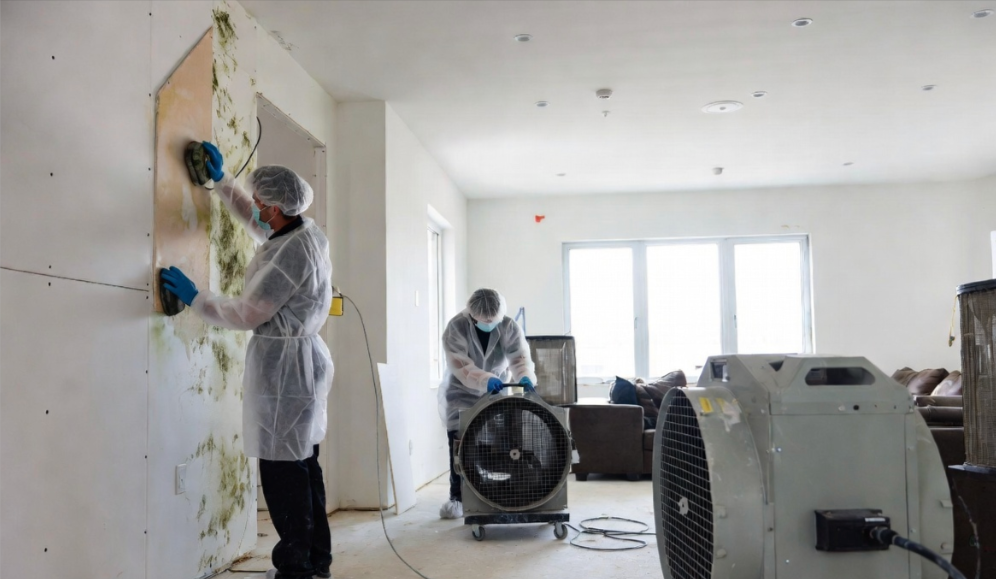
In environments with high humidity, the risk of mold and mildew skyrockets. Mold can start to develop within just 24 to 48 hours after water exposure. This is particularly concerning for homeowners and business owners because mold removal can not only be costly but also labor-intensive. Furthermore, certain types of mold can pose health risks to occupants.
Moreover, when humidity levels are high, dehumidifiers and other drying equipment might be less effective. If the air is saturated with moisture, it can become increasingly challenging for the equipment to extract water from surfaces like carpets, walls, and furniture.
Low Humidity: The Silver Lining?
On the flip side, low humidity can aid in the drying process after a water damage incident. The drier the air, the quicker the moisture will evaporate from affected surfaces. However, it’s essential to strike a balance; extremely low humidity can lead to issues of its own, such as damage to wood structures and drywall due to rapid drying and cracking.
Keeping Humidity in Check
As a restoration company based in Utah, we at Utah Flood Guys understand the unique climate challenges our clients face. Here are a few tips to manage humidity levels effectively:
1. Use Dehumidifiers
Invest in good-quality dehumidifiers to help regulate humidity levels, especially in areas prone to moisture accumulation.
2. Ventilation is Key
Ensure proper ventilation in your space. Open windows, use exhaust fans, and consider airflow solutions to help reduce humidity levels.
3. Monitor Humidity
Use a hygrometer to keep track of indoor humidity levels. Aim for a range of 30% to 50% to maintain a healthy and comfortable environment.
4. Act Fast
If you experience water damage, contact a professional restoration service like Utah Flood Guys immediately. The quicker you act, the better chances you have of minimizing damage, preventing mold, and ensuring a successful recovery.
Conclusion
Humidity may not be the first thing that comes to mind when you think about water damage, but it’s a vital player in the recovery process. By understanding and managing humidity, you can significantly improve your chances of successful restoration after a water damage incident. If you ever find yourself in need of assistance, don’t hesitate to reach out to Utah Flood Guys; we’re here to help you navigate through water, mold, and fire damage with expertise and care!
You might also like
Utah Flood Guys Blog