The Most Common Causes of Property Damage in Utah and How to Prevent Them
As Utah residents, we are no strangers to the beauty and challenges that come with living in this diverse state. From the majestic mountains to the stunning red rocks, Utah offers a unique landscape that can be both awe-inspiring and unforgiving when it comes to property damage. At Utah Flood Guys, we understand the importance of protecting your home or business from unforeseen disasters. In this blog post, we will discuss the most common causes of property damage in Utah and share some tips on how to prevent them.
1. Water Damage
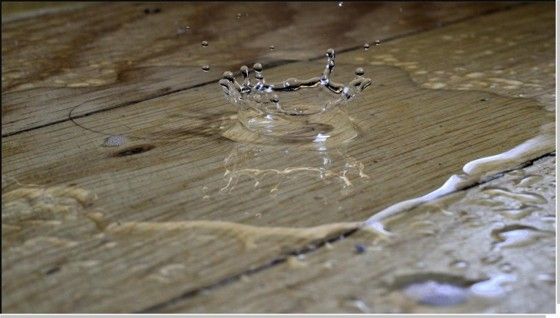
Water damage is one of the leading causes of property damage in Utah, especially during the winter months when freezing temperatures can lead to burst pipes. Additionally, heavy rainfall or snowmelt can result in flooded basements or sewage backups. To prevent water damage, make sure to insulate your pipes, keep gutters and downspouts clear of debris, and monitor your water bill for any unexpected spikes that could indicate a leak.
2. Mold Growth
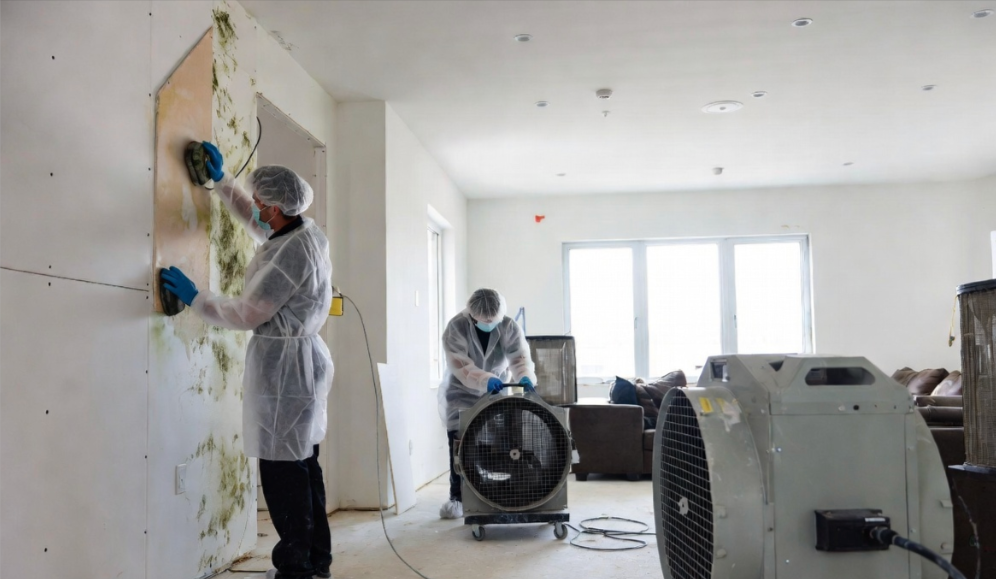
Utah's dry climate may lead you to believe that mold is not a concern, but in fact, mold can thrive in damp, dark areas such as basements or bathrooms. Leaky roofs, plumbing issues, or poor ventilation can create the ideal environment for mold growth. To prevent mold, address any water leaks promptly, ensure proper ventilation in your home, and keep humidity levels low, especially in areas prone to moisture.
3. Fire Damage
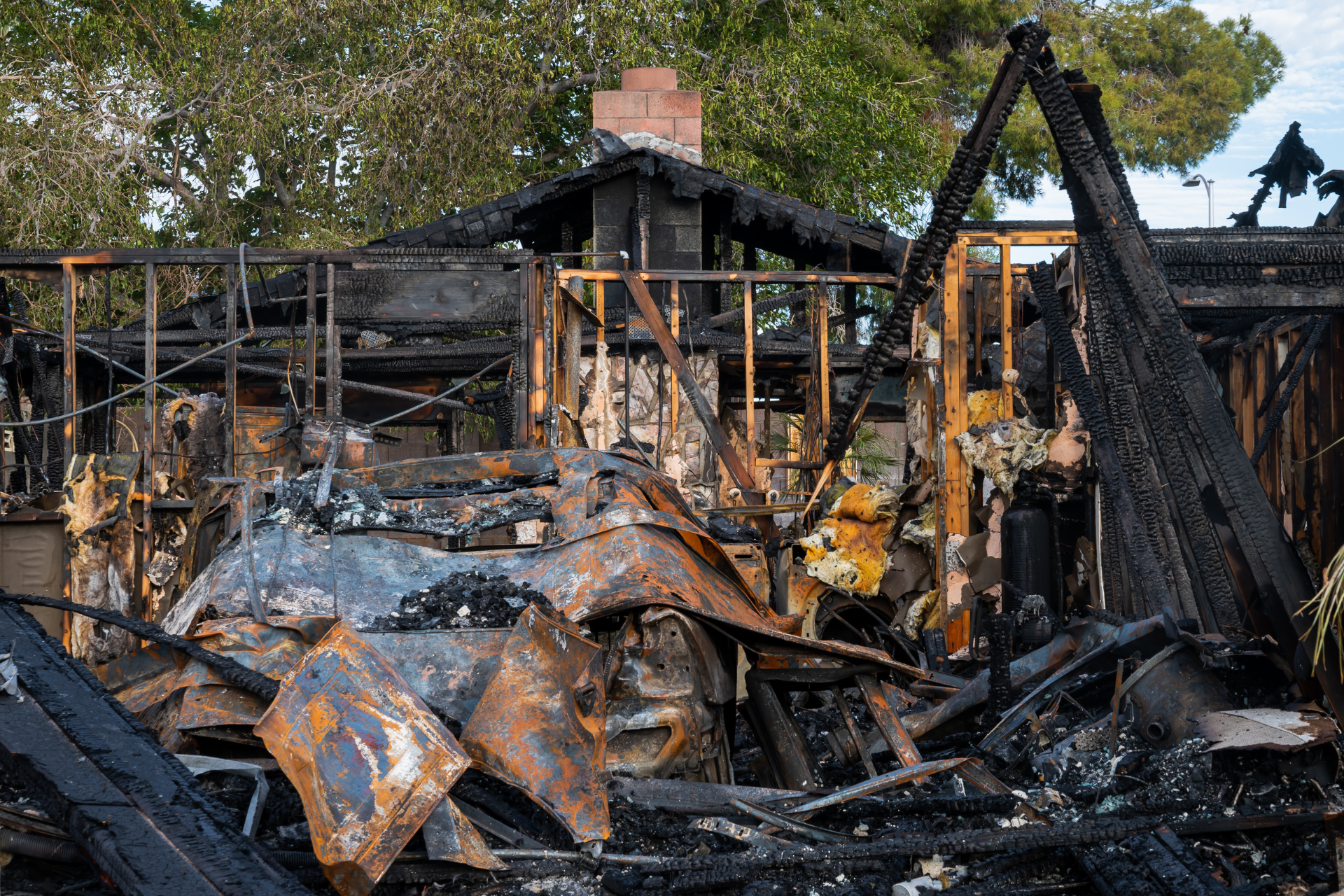
Utah's hot, dry summers increase the risk of wildfires, but fire damage can also occur within homes or businesses due to electrical faults, cooking accidents, or faulty heating systems. To prevent fire damage, install smoke detectors on every level of your property, have your electrical system inspected regularly, and practice fire safety measures such as keeping flammable materials away from heat sources.
4. Storm Damage
Utah's unpredictable weather patterns can bring severe thunderstorms, high winds, and hail that can cause damage to roofs, windows, and siding. To protect your property from storm damage, trim trees and shrubs near your home, secure outdoor furniture and decorations, and consider investing in impact-resistant windows or roofing materials.
5. Sewage Backup
Sewage backups are a smelly and hazardous consequence of clogged drains, tree root intrusions, or deteriorated sewer lines. To prevent sewage backup, avoid flushing inappropriate items down the toilet or pouring grease down the sink, have your sewer lines inspected regularly, and consider installing a backwater valve to prevent sewage from flowing back into your property.
At Utah Flood Guys, we specialize in disaster cleanup and restoration services to help you recover from property damage caused by water, mold, fire, or other emergencies. Our team of experienced technicians is ready to respond 24/7 to mitigate the damage and restore your property to its pre-loss condition. By taking proactive steps to prevent property damage, you can safeguard your investment and ensure the safety and well-being of your family or employees.
If you have experienced property damage in Utah, don't hesitate to contact Utah Flood Guys for professional restoration services. We are here to help you navigate the aftermath of disasters and restore your peace of mind. Remember, prevention is key when it comes to protecting your property from the most common causes of damage in our beautiful but challenging state. Stay safe, stay prepared, and trust Utah Flood Guys to be your partner in disaster recovery.
You might also like
Utah Flood Guys Blog