The Importance of Regular Home Inspections for Mold Prevention
Introduction
Welcome back to the Utah Flood Guys blog! In today's post, we're going to dive into the importance of regular home inspections for mold prevention. As a trusted Utah restoration company, we understand the impact that mold can have on homes and businesses. By taking proactive steps to prevent mold growth through regular inspections, you can save yourself time, money, and stress in the long run.
What is Mold?
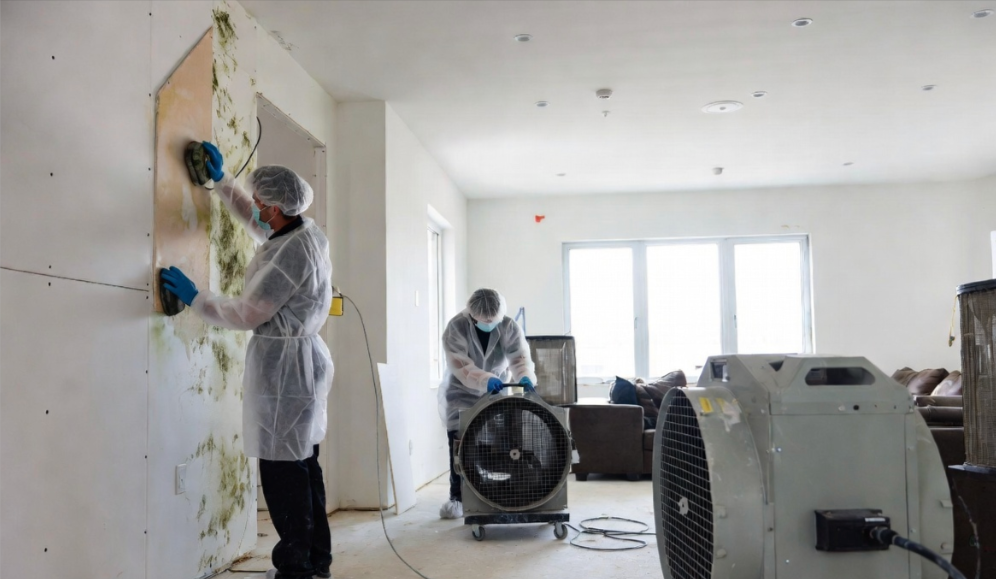
Before we talk about prevention, let's first understand what mold is. Mold is a type of fungus that thrives in damp and humid conditions. It can grow on various surfaces, including walls, ceilings, floors, and even furniture. Mold reproduces through spores that can spread easily through the air. Not only does mold pose health risks to occupants of a building, but it can also cause structural damage if left untreated.
The Dangers of Mold
Mold is not something to be taken lightly. Exposure to mold can trigger allergies, asthma attacks, respiratory issues, and other health problems. In severe cases, toxic mold can produce mycotoxins that are harmful to both humans and animals. Additionally, mold growth can weaken the structural integrity of a building, leading to costly repairs.
Why Regular Home Inspections are Crucial
Regular home inspections are essential for mold prevention for several reasons:
1. Early Detection
By conducting regular inspections, you can catch mold growth in its early stages. This allows for prompt remediation before the problem escalates.
2. Identify Moisture Issues
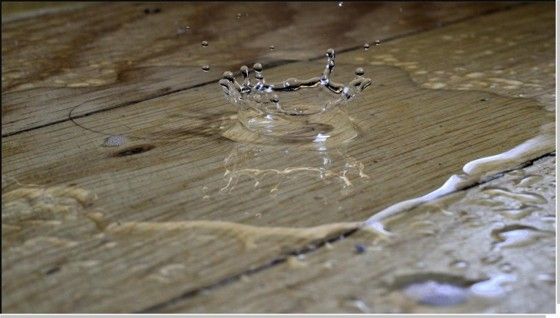
Mold thrives in damp and humid environments. Inspections can help identify sources of moisture, such as leaks, condensation, or poor ventilation, that contribute to mold growth.
3. Protect Your Health
Preventing mold growth through inspections can help safeguard the health of your family or employees. By addressing mold issues promptly, you can create a safer and healthier indoor environment.
4. Preserve Property Value
Mold can significantly lower the value of a property. Regular inspections help maintain the condition of your home or business, protecting your investment in the long term.
Tips for Conducting Home Inspections
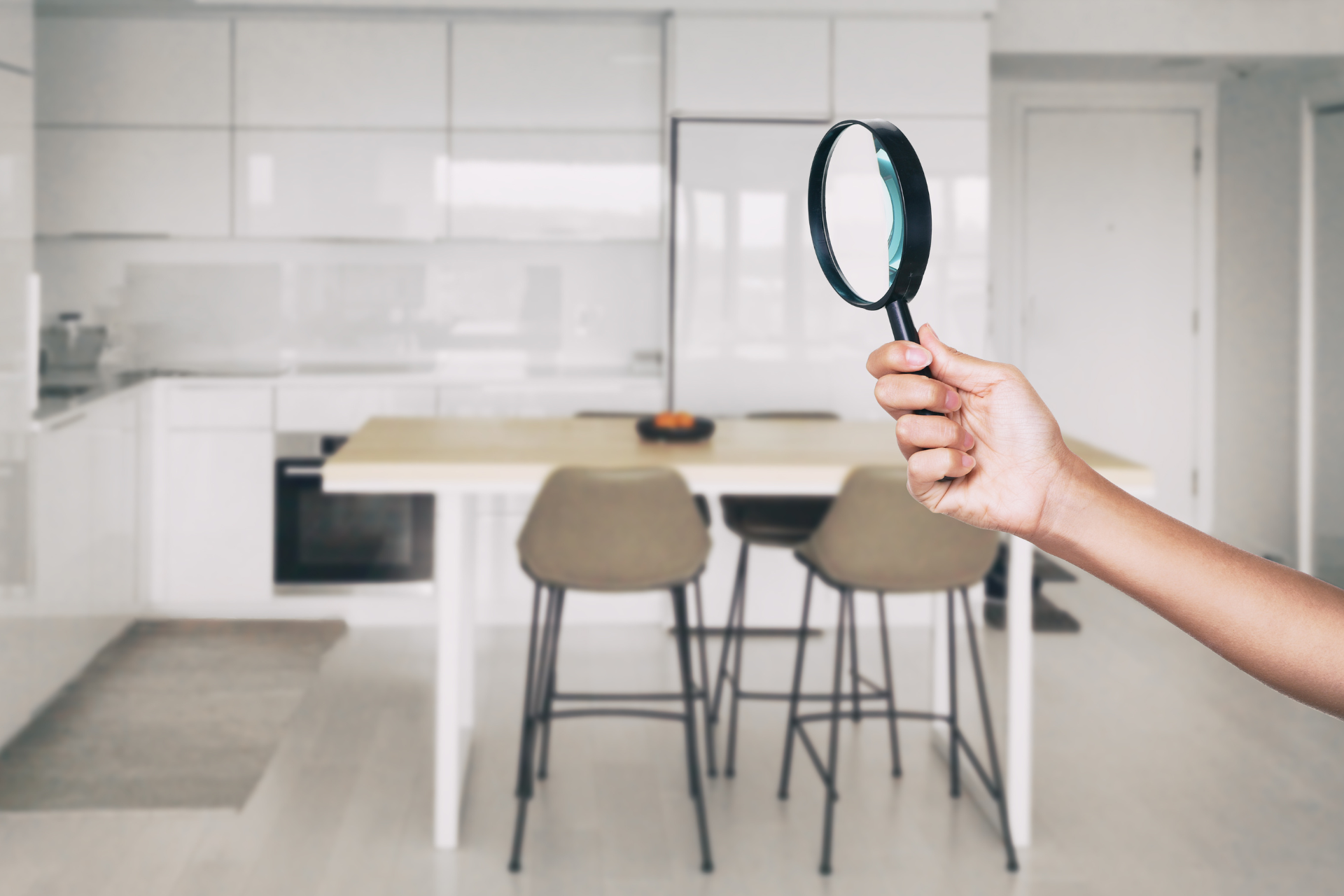
Here are some tips to keep in mind when conducting home inspections for mold prevention:
1. Check for Leaks
Inspect plumbing fixtures, roof leaks, and appliances for signs of water damage or leaks.
2. Monitor Humidity Levels
Use a hygrometer to measure indoor humidity levels and ensure they stay below 60%.
3. Inspect Ventilation Systems
Ensure that your HVAC system is properly maintained and that exhaust fans in bathrooms and kitchens are working efficiently.
4. Look for Visible Mold
Keep an eye out for any visible signs of mold growth, such as discoloration, musty odors, or water stains.
Conclusion
Regular home inspections are a proactive approach to mold prevention and can ultimately save you time, money, and stress in the long run. By partnering with Utah Flood Guys, a trusted restoration company in Utah, you can ensure that your home or business remains free of mold and other water-related issues. Remember, prevention is key when it comes to protecting your property and your health.
Stay tuned for more tips and insights from Utah Flood Guys, your go-to source for disaster cleanup services in Utah!
You might also like
Utah Flood Guys Blog