The Impact of Fire Damage on Your Home’s Structure and How to Rebuild
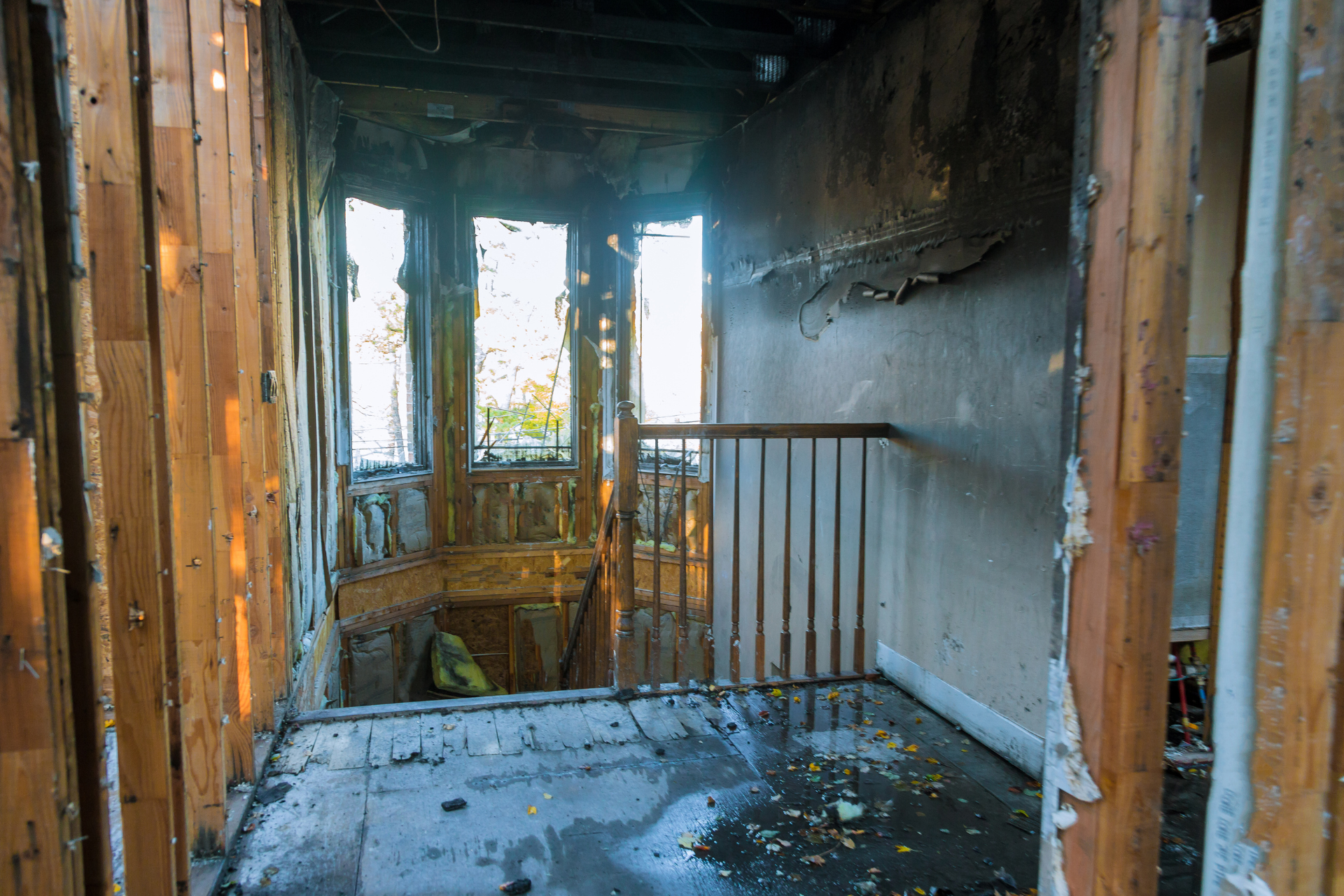
A fire can be one of the most devastating experiences for a homeowner. The immediate aftermath often leaves you grappling with the emotional toll, as well as the practicalities of what to do next. At Utah Flood Guys, we understand how overwhelming this process can be. It’s crucial to understand the impact of fire damage on your home’s structure and the best steps to take for a successful recovery.
Understanding Fire Damage
When a fire breaks out, its destructive power can extend far beyond the flames you see. While the immediate damage might be associated with the areas that were directly affected by the fire, smoke and heat can permeate throughout your home. The structural integrity of your house can be compromised in several ways:
1. Damage to Load-Bearing Walls
These walls are the backbone of your home. Fire can weaken the materials—be it wood, metal, or other materials—making them less capable of supporting the structure above.
2. Roof Integrity
If a fire touches your roof, it may look intact on the surface, but internal damage to trusses and beams can cause a collapse over time.
3. Foundation Issues
High temperatures can cause settling of the foundation, leading to cracks and further structural problems that can escalate if not addressed quickly.
4. Smoke Damage
Even areas that aren’t charred can suffer from smoke damage. This can lead to long-lasting odor issues and the need for thorough cleaning and restoration.
5. Electrical and Plumbing Systems
Fire can wreak havoc on your electrical wiring and plumbing, posing safety risks long after the fire has been extinguished.
Rebuilding After Fire Damage
After assessing the damage, it’s time to plan for rebuilding. The goal is to restore your home to a safe and comfortable space. Here’s how to navigate this challenging journey:
1. Contact Professionals
While it may be tempting to dive into repairs yourself, it’s essential to call in fire damage restoration experts like Utah Flood Guys. We specialize in evaluating the damage comprehensively and developing an effective plan tailored to your situation.
2. Assess the Damage
Professionals will conduct a thorough inspection. They’ll identify hidden problems that aren’t visible to the naked eye, ensuring a comprehensive approach to rebuilding.
3. Mitigate Further Damage
One of the first steps is securing the property. This may involve boarding up windows, covering roofs, and removing charred debris to prevent weather damage or looting.
4. Document Everything
For insurance claims, it’s important to keep detailed records. Take photographs of the damage and list items that have been lost or destroyed.
5. Begin the Repair Process
This includes removing damaged materials, cleaning areas affected by smoke, and replacing structural elements that are no longer safe. Depending on the severity of the fire, rebuilding may involve major renovations or simple cosmetic fixes.
6. Consider Upgrades
While rebuilding, consider incorporating fire-resistant materials or implementing updated electrical systems to provide better safety moving forward.
7. Emotional Support
Don’t underestimate the emotional burden of losing your home to fire. Seek support from friends, family, or counselors to help cope with the stress and uncertainty.
Rebuilding after fire damage is a daunting task, but you don’t have to navigate it alone. Utah Flood Guys is here to help you through every step of the recovery process. Our dedicated team has the expertise to restore your home while providing the guidance and support you need during this challenging time. Together, we can turn your damaged house into a safe and welcoming home once again.
You might also like
Utah Flood Guys Blog