Understanding the Mold Remediation Process: A Step-by-Step Guide
Mold can be a sneaky homeowner's worst nightmare, often lurking in damp corners and hidden spaces. At Utah Flood Guys, we understand how stressful it can be to face a mold problem. That’s why we’ve put together this step-by-step guide to walk you through the mold remediation process, helping you regain peace of mind.
Step 1: Inspection and Assessment
The journey begins with a thorough inspection of the affected area. This typically involves our trained technicians identifying the mold type and extent of the damage. Using advanced tools and techniques, we assess the moisture levels in your home, as moisture is the main ingredient for mold growth. FIGURING out where the moisture is coming from—be it a leaky pipe, an over-full humidifier, or something else—is crucial at this stage.
Step 2: Containment
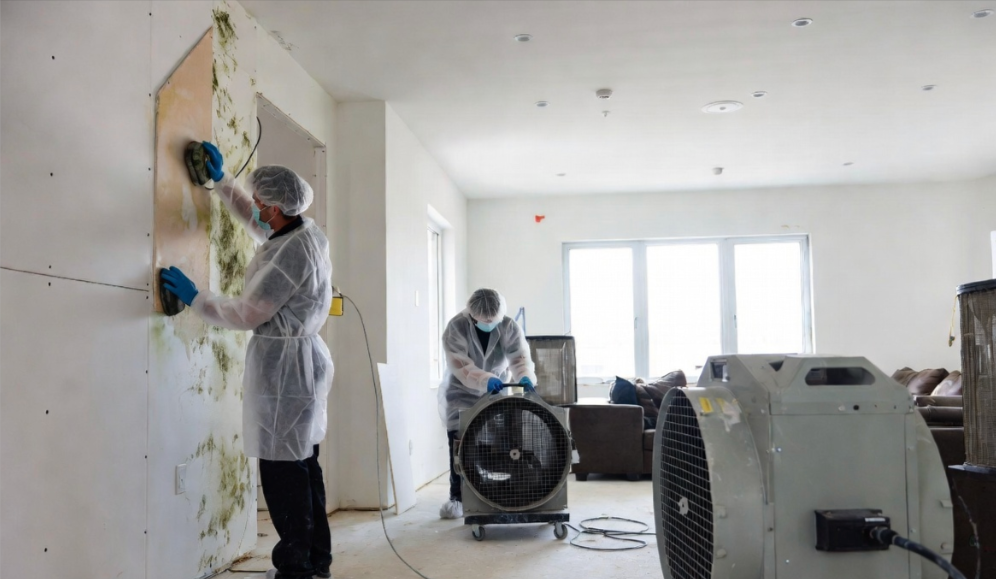
Once we've identified the problem areas, the next step is containment. We want to make sure that the mold doesn’t spread to other parts of your home. This often involves sealing off the affected area with plastic sheeting and using negative air pressure machines. Trust us; it might not be the most flattering look for your home, but it’s an essential step to protect your living spaces.
Step 3: Air Filtration
Mold spores can be tiny and can easily become airborne, making it vital to filter the air. Our team employs specialized air filtration systems to capture these spores before they can settle elsewhere. Think of it as giving your home a fresh breath of air. We want to ensure the environment is as safe as possible and clear of any lingering mold spores.
Step 4: Mold Removal
Now comes the most important part: the actual removal of mold. Depending on the severity of the infestation, different materials may need to be discarded. Non-porous materials like metal or glass can typically be cleaned, while porous materials—like drywall or carpeting—may need to be replaced entirely. Our team uses state-of-the-art equipment and mold remediation products to ensure that all traces of mold are effectively eliminated.
Step 5: Cleaning and Disinfecting
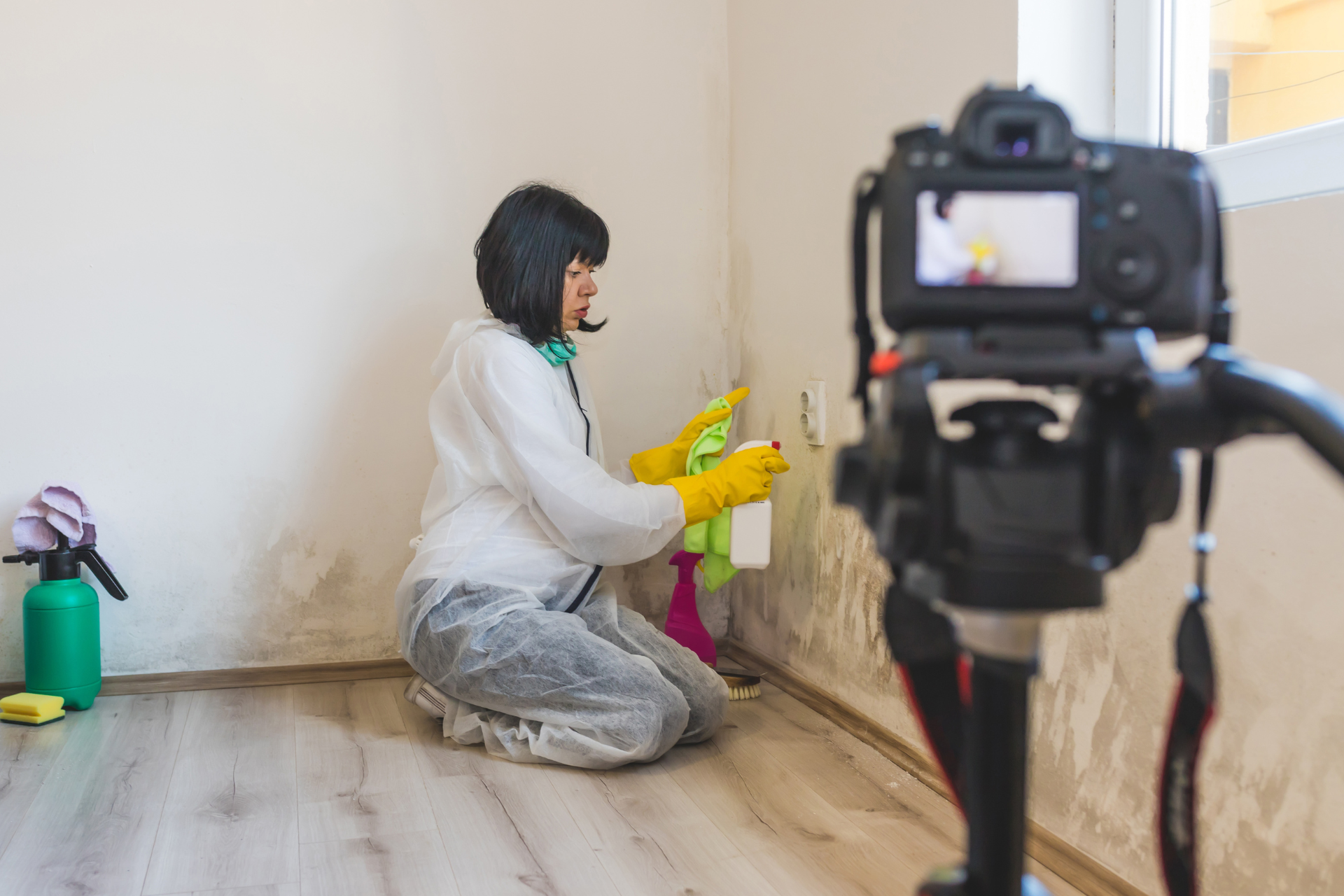
Cleaning surfaces that once harbored mold is crucial. After the mold is removed, we disinfect the area using approved cleaning agents to kill remaining mold spores. This step not only ensures a sparkling clean surface but also helps to prevent future mold growth.
Step 6: Restoration
In many cases, mold remediation can lead to some damage that will need repair. This might include replacing drywall, insulation, or flooring. At Utah Flood Guys, we offer restoration services to bring your space back to its pre-mold condition. Whether it's a fresh coat of paint or new flooring, we’ve got you covered.
Step 7: Prevention
Lastly, we believe in being proactive. Once the mold is gone, we'll discuss prevention strategies with you. From improving ventilation to recommending dehumidifiers, our goal is to help ensure that mold never finds a home in your space again.
We know dealing with mold can feel overwhelming, but you don’t have to face it alone. If you suspect mold in your home or business, call Utah Flood Guys today! Our trained professionals are ready to work step-by-step with you through the entire mold remediation process. We’re here to help restore your peace of mind and safeguard your property from mold’s unwelcome return.
You might also like
Utah Flood Guys Blog