The Hidden Dangers of Sewage Backups in Basements
When it comes to home maintenance, most of us focus on the obvious issues: leaky roofs, drafty windows, and creaky floors. But there’s one danger lurking beneath the surface that often goes unnoticed—sewage backups in basements. At Utah Flood Guys, we’re committed to educating our community about the risks associated with these troublesome occurrences. Let’s dive into the hidden dangers of sewage backups and why it’s crucial to address them promptly.
Understanding Sewage Backups
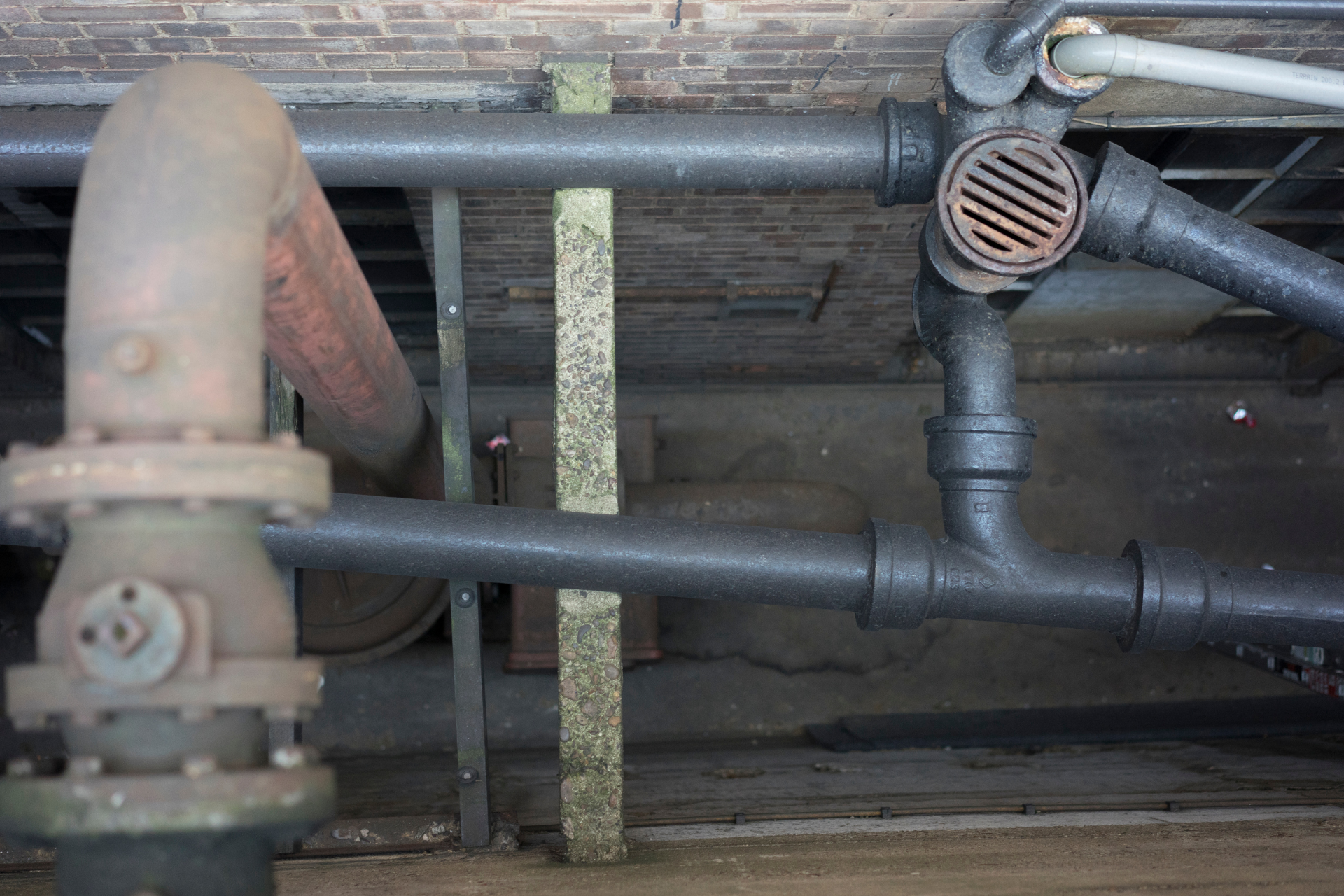
First, let’s discuss what a sewage backup actually is. In simple terms, it occurs when wastewater from toilets, sinks, or showers backs up into your home, often seeping into your basement. This can happen for several reasons, including clogged pipes, heavy rainfall, or problems with the municipal sewer system. The resulting mess can be a nightmare, but the implications go far beyond what meets the eye.
Health Hazards
One of the most alarming dangers of sewage backups is the health risks they pose. Sewage contains harmful bacteria, viruses, and parasites that can lead to serious illnesses. Exposure can occur through direct contact or even by inhaling air contaminated with these pathogens. Symptoms may range from mild stomach discomfort to severe gastrointestinal issues. If sewage seeps into the air ducts, it can spread those contaminants throughout your home, jeopardizing your family's health.
Structural Damage
Beyond the immediate health concerns, sewage backups can also cause significant structural damage to your home. The moisture created by raw sewage can weaken the foundation, affect the walls, and lead to wood rot. This isn’t just an aesthetic issue—repairing structural damage can be incredibly expensive. Left unaddressed, what started as a minor inconvenience can escalate into a full-blown crisis, requiring extensive renovations and repairs.
Mold Growth
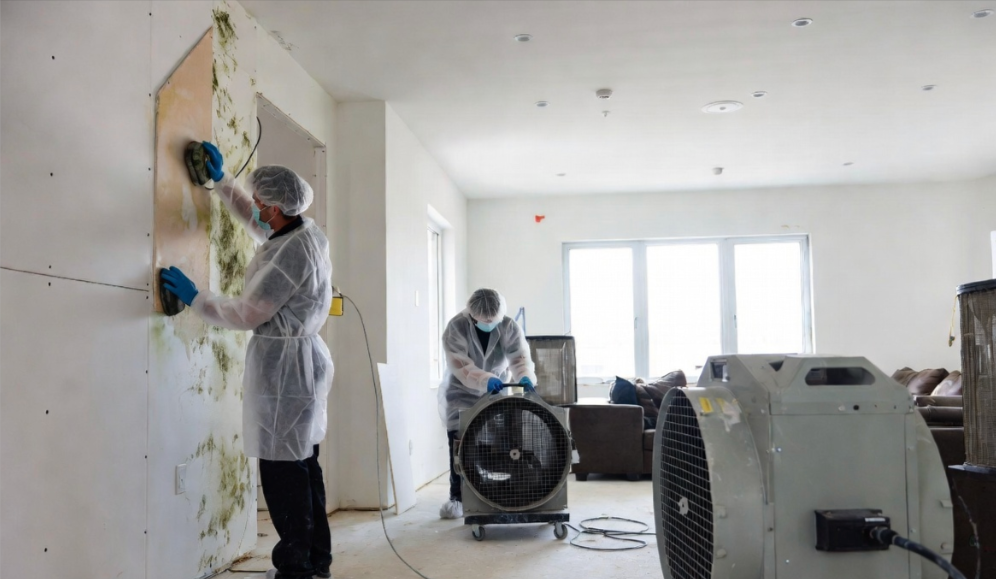
Another hidden danger of sewage backups is the potential for mold growth. The damp conditions created by waste water can set the perfect stage for mold to thrive. Mold not only damages your home but can also trigger allergies and respiratory problems. For families with young children or elderly members, this can be especially concerning. Rectifying mold issues often requires professional intervention, further adding to your repair costs.
Financial Implications
Let’s talk about the financial aspect. Sewage backups are not just inconvenient; they can be costly to resolve. The expense can come from immediate cleanup needs, replacement of damaged materials, and long-term health costs if anyone in your home falls ill. Investing in preventive measures, such as regular maintenance and inspections, can save you from these unexpected expenses down the road.
Prevention is Key
At Utah Flood Guys, we cannot stress enough the importance of prevention. Regular plumbing inspections, clearing out gutters, and ensuring your sump pump is in working order can help mitigate the risks of backups. If you do experience a sewage backup, time is of the essence. Acting quickly can minimize damage and health risks.
Final Thoughts
Sewage backups in basements present hidden dangers that go well beyond nasty smells and unsightly messes. They threaten your health, your home’s structure, and your wallet. Always stay ahead of potential issues by taking preventive measures. And if you find yourself facing a sewage crisis, Utah Flood Guys is always here to help you restore your home to its former glory. Don’t let hidden dangers catch you off guard—stay informed and proactive!
You might also like
Utah Flood Guys Blog