The Science Behind Professional Mold Removal Techniques
When it comes to mold, the saying “out of sight, out of mind” doesn’t quite hold up. Mold can be a sneaky invader, lurking in damp corners of your home or business, waiting to unleash its potential health hazards. At Utah Flood Guys, we understand the science behind mold and how to effectively tackle it. Let’s delve into the methods we employ for professional mold removal and the rationale behind them.
Understanding Mold Growth
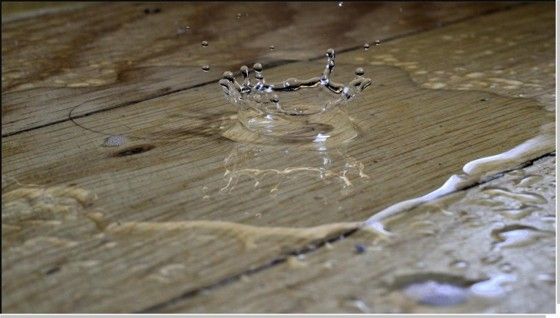
To effectively fight mold, we first need to understand how it thrives. Mold spores are naturally present in the environment and can enter your home through windows, doors, or even on our clothes and shoes. They germinate in warm, damp conditions, particularly in areas affected by water damage. This means that keeping an eye on humidity levels is crucial in preventing mold growth.
Inspection and Containment
Before any mold removal work begins, a thorough inspection is vital. Professionals like us at Utah Flood Guys use advanced tools to identify not just visible mold but also hidden moisture sources that could fuel further growth. We employ techniques like thermal imaging and moisture meters to pinpoint these problem areas.
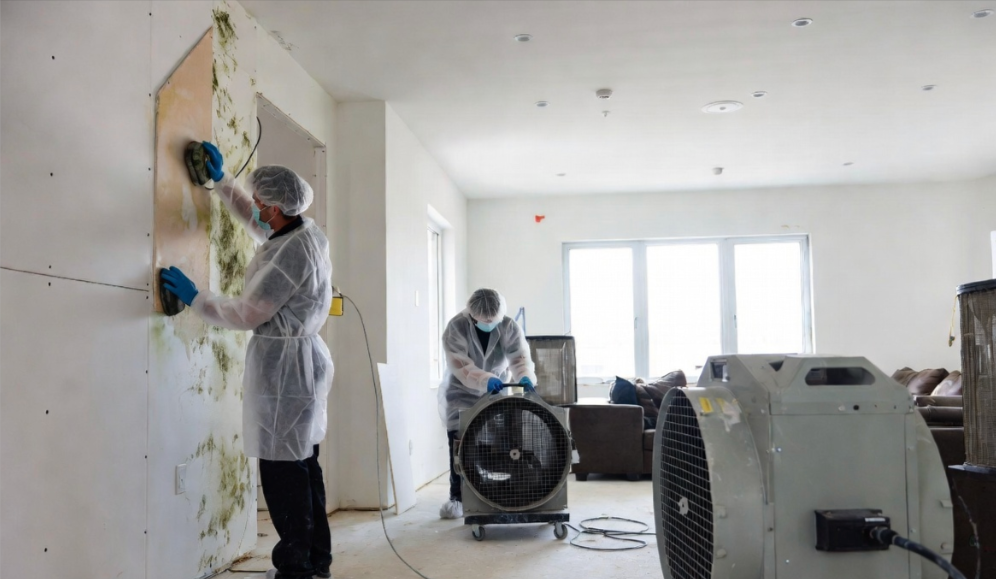
Once we identify the mold, containment is next. This step is essential to stop the spread of spores during the removal process. We utilize plastic sheeting and negative air pressure machines to create a controlled environment. This prevents spores from traveling to uncontaminated areas of your property, ultimately protecting your health and the integrity of your space.
Mold Removal Techniques
Now that the area is contained, it’s time for the removal process, and this is where the science really comes into play. Depending on the severity of the infestation, different techniques may be employed:
1. Physical Removal
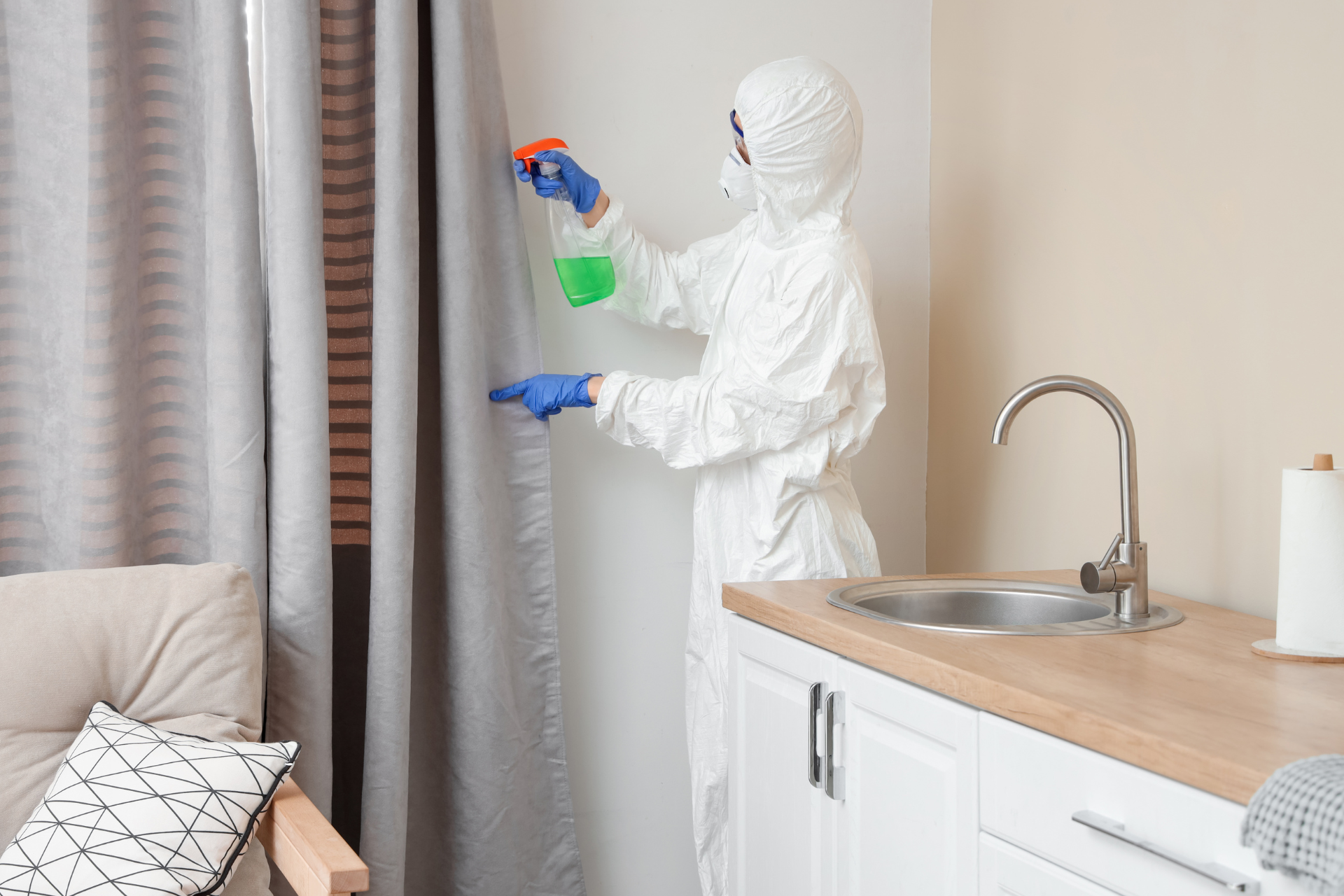
For smaller patches of mold on non-porous surfaces, physical removal with scrubbing techniques can be effective. We use specialized cleaning solutions that help kill mold and bacteria on contact.
2. Biological and Chemical Solutions
For more extensive growth, we might use EPA-approved biocides and disinfectants. These solutions don’t just kill the visible mold but also disrupt the spores’ life cycle, significantly reducing the chance of future outbreaks.
3. HEPA Vacuuming
High-Efficiency Particulate Air (HEPA) vacuums are a crucial tool in our arsenal. They effectively capture mold spores and other particulates from the air and surfaces, ensuring that your residence or business returns to a safe environment.
4. Drying and Dehumidification
Once the mold is removed, drying the area is essential. We use industrial-strength dehumidifiers and air movers to eliminate any residual moisture, preventing new mold growth.
Post-Assessment and Prevention Strategies
After mold removal, our work isn’t done. We conduct a post-assessment to ensure that all traces of mold and moisture have been eliminated. Additionally, we provide you with a comprehensive report and recommendations for preventing future infestations, such as improving ventilation, sealing leaks, and maintaining optimal humidity levels.
In conclusion, professional mold removal is a meticulous process that combines science and strategy. At Utah Flood Guys, we are committed to restoring your property and peace of mind. If you suspect a mold problem in your home or business, don’t hesitate to reach out. Let us tackle your mold issues with expert care and the latest techniques. Your health and safety are our top priorities!
You might also like
Utah Flood Guys Blog