The Hidden Dangers of Mold: How to Identify and Prevent Mold Growth
When it comes to the safety and comfort of your home or business, there’s one sneaky foe that often goes unnoticed until it’s too late: mold. Mold growth can lead to serious health risks and costly damage to your property, making it essential to understand how to identify and prevent it. At Utah Flood Guys, we’re here to share some insights about the hidden dangers of mold and how to protect your space from this unwelcome guest.
Understanding Mold and Its Risks
Mold is a type of fungus that thrives in damp, warm environments. While it plays a crucial role in nature by breaking down organic matter, mold can wreak havoc in our homes. Common symptoms of mold exposure range from mild respiratory issues like sneezing and coughing to more serious problems such as asthma attacks and allergic reactions. For individuals with weakened immune systems, mold exposure can lead to severe health complications.
Moreover, mold can compromise the structural integrity of your property. It can eat away at vital components, leading to expensive repairs and, in some cases, loss of property value. This makes it especially crucial to catch it early!
Identifying Mold Growth
So, how can you spot mold before it becomes a major issue? Keep an eye out for these telltale signs:
1. Visible Spots
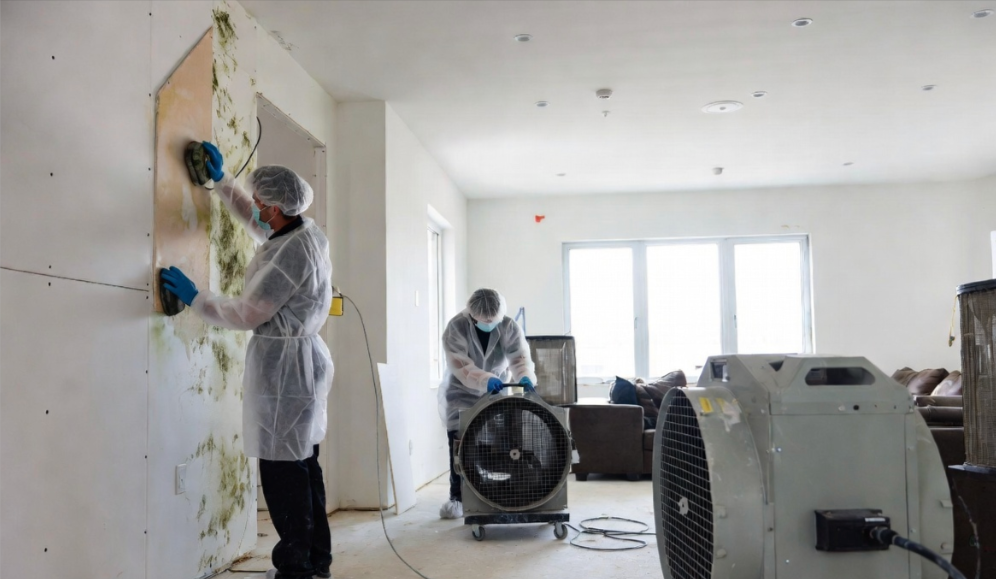
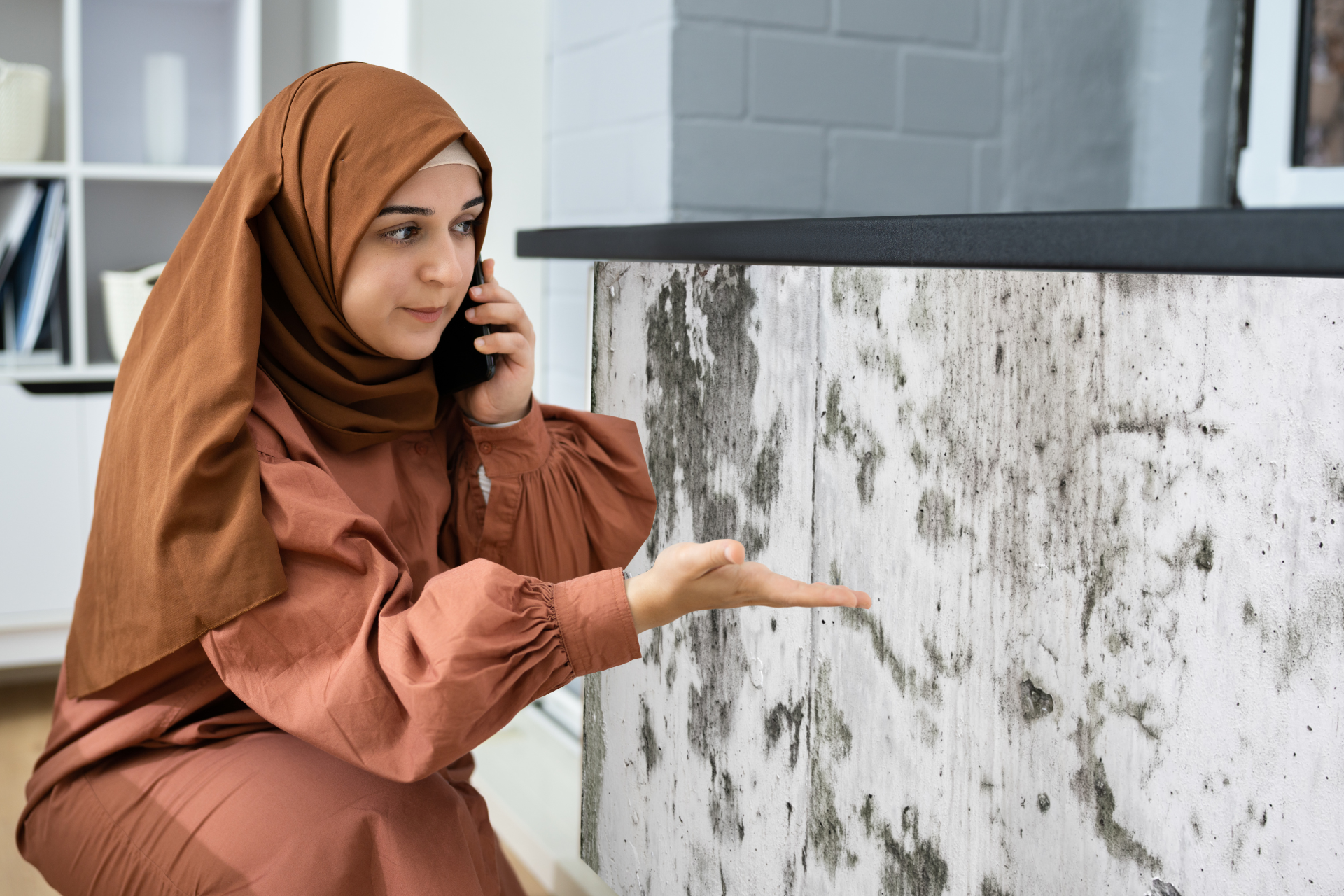
Mold often appears as discolored patches, typically green, black, or white. Check areas that are consistently damp, such as bathrooms, basements, and around windows.
2. Musty Odor
A persistent, earthy smell can indicate mold is lurking nearby. Trust your nose; if you smell mold, there’s a good chance it’s present.
3. Water Damage
Look for signs of water stains, leaks, or dampness on walls, ceilings, or floors. If you’ve experienced a flood, it’s crucial to thoroughly assess the property for mold risk.
4. Condensation
Excessive moisture can lead to condensation on walls and windows—an ideal breeding ground for mold. Pay attention to areas that are frequently humid, especially kitchens and laundry rooms.
Preventing Mold Growth
Now that you know how to identify mold, let’s talk about prevention. Here are some effective strategies to keep your home or business mold-free:
1. Control Moisture
The key to mold prevention is controlling humidity levels. Aim to keep indoor humidity below 50%. Use dehumidifiers and make sure to ventilate areas like bathrooms and kitchens properly.
2. Fix Leaks Promptly
Don’t let water damage linger. Repair leaks in pipes and roofs immediately to prevent moisture accumulation.
3. Clean Gutters Regularly
Clogged gutters can cause water overflow and lead to leaks in your home. Ensure your gutters are clean and functioning properly to direct water away from your property.
4. Use Mold-Resistant Products
When renovating or building, consider using mold-resistant drywall and paint to provide an extra layer of protection against mold growth.
5. Regular Inspections
Don’t wait for visible signs of mold to act. Schedule regular inspections, especially in damp areas, to catch any potential issues early on.
Conclusion
Mold might be a hidden danger in your environment, but with a proactive approach, you can minimize its risks. If you suspect mold has already made itself at home, don’t hesitate to reach out to the experts at Utah Flood Guys. Our team specializes in mold removal and restoration services, ensuring your space is safe, clean, and free from unwanted mold. Let’s keep your home or business healthy together!
You might also like
Utah Flood Guys Blog