The Fire Restoration Process: What to Expect
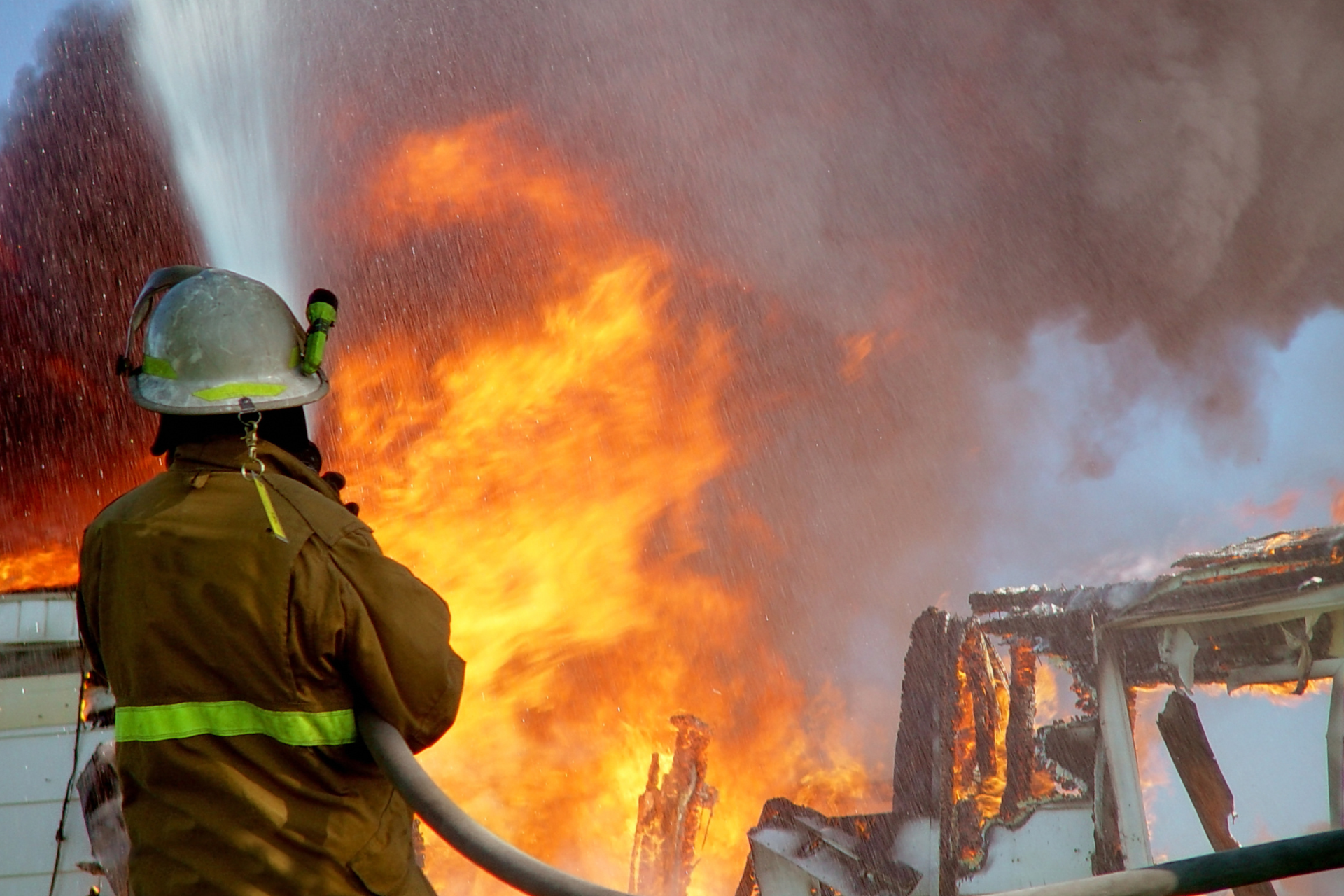
Have you recently experienced a fire in your home or business? Dealing with the aftermath of a fire can be a daunting and overwhelming experience. At Utah Flood Guys, we understand the stress and uncertainty that comes with fire damage. That's why we're here to guide you through the fire restoration process and help you get your property back to its pre-loss condition. In this blog post, we'll walk you through what to expect during the fire restoration process so you can be prepared and informed every step of the way.
Assessment and Inspection
The first step in the fire restoration process is a thorough assessment and inspection of the damage. Our team of trained professionals will evaluate the extent of the fire damage, including structural damage, smoke damage, and water damage from firefighting efforts. This assessment is crucial in creating a customized restoration plan tailored to your specific needs.
Securing the Property
Once the assessment is complete, securing the property is essential to prevent further damage and ensure safety. We will board up windows, place tarps over damaged roofs, and take other measures to secure your property from potential intruders, weather elements, or further damage.
Water Removal and Drying
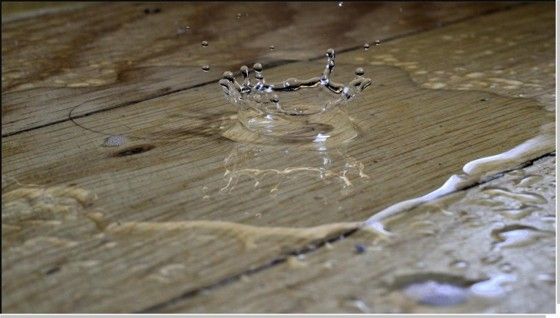
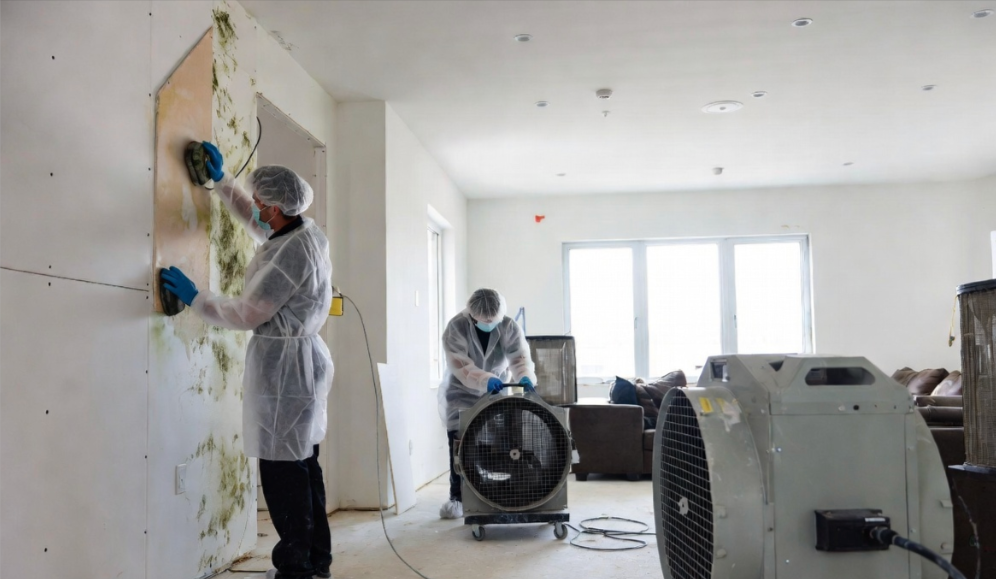
In many fire damage cases, water damage is also a concern due to the water used to extinguish the fire. Our team will begin the water removal process using specialized equipment to extract standing water and dry out the affected areas. Drying is a crucial step to prevent mold growth and further structural damage.
Smoke and Soot Removal
Smoke and soot can penetrate surfaces and create lingering odors long after the fire is extinguished. Our team will use professional-grade equipment and techniques to clean and remove smoke and soot residue from walls, ceilings, floors, and belongings. We will also address any lingering odors through deodorization treatments to ensure your property smells fresh and clean.
Cleaning and Sanitizing
After removing smoke and soot residue, our team will thoroughly clean and sanitize all affected areas to restore your property to a safe and healthy environment. We use industry-approved cleaning products and techniques to ensure proper sanitization and hygiene standards are met.
Restoration and Reconstruction
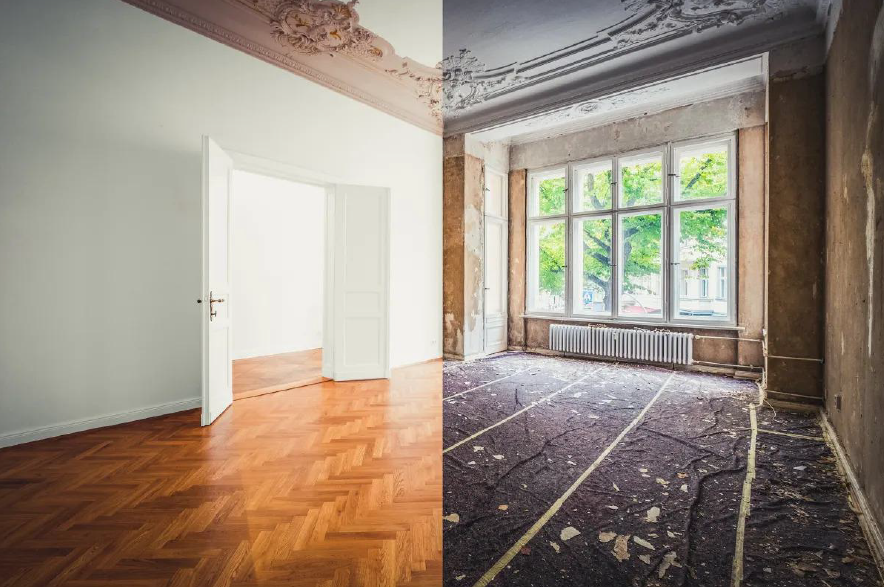
Once the cleaning and sanitizing process is complete, our team will begin the restoration and reconstruction phase. This may involve repairing structural damage, replacing flooring, walls, ceilings, and other damaged components of your property. Our goal is to restore your property to its pre-loss condition while keeping you informed and involved throughout the restoration process.
Final Inspection and Follow-Up
Before completing the fire restoration process, our team will conduct a final inspection to ensure all work has been completed to our high standards. We want to make sure you are satisfied with the results and address any concerns or additional needs you may have. Our commitment to customer satisfaction extends beyond the restoration process, and we're here to support you even after the job is done.
In conclusion, experiencing a fire can be a traumatic and challenging event, but with the right team by your side, the fire restoration process can be manageable and successful. At Utah Flood Guys, we are dedicated to providing you with reliable, efficient, and compassionate fire restoration services to help you rebuild and recover from the devastation of a fire. If you find yourself in need of fire damage restoration services, don't hesitate to reach out to us for assistance. We're here to help you every step of the way. Stay safe and remember that brighter days are ahead.
You might also like
Utah Flood Guys Blog