The Environmental Impact of Mold and How to Mitigate It
Introduction:
Mold is a common issue that many homeowners and business owners face, especially after water damage or flooding. Not only can mold cause structural damage and health issues, but it also has a significant environmental impact. In this blog post, we will explore the environmental implications of mold and provide tips on how to mitigate its effects. As your trusted Utah restoration company, Utah Flood Guys is here to help you understand and address the environmental impact of mold.
Environmental Impact of Mold:
Mold is a type of fungus that thrives in damp and humid environments. When mold spores are present in the air, they can easily spread and grow on various surfaces, including walls, ceilings, and furniture. Mold releases tiny spores into the air, which can cause respiratory issues and allergic reactions in humans and pets. In addition to the health hazards, mold also poses risks to the environment.
One of the most concerning environmental impacts of mold is the degradation of indoor air quality. Mold spores can circulate in the air, leading to poor indoor air quality and potentially exacerbating respiratory problems. Furthermore, mold growth can weaken building materials and infrastructure, compromising the structural integrity of a property. This can result in costly repairs and renovations, as well as a negative impact on the overall value of the property.
Mold also contributes to environmental pollution. As mold grows and spreads, it releases volatile organic compounds (VOCs) and mycotoxins into the air. These substances can pollute the environment and pose risks to both humans and wildlife. Additionally, mold can produce strong odors that can be difficult to eliminate, further impacting the environment and creating an unpleasant living or working environment.
Mitigating the Environmental Impact of Mold:
As a responsible homeowner or business owner, it is essential to take proactive steps to mitigate the environmental impact of mold. Here are some tips to help you prevent or address mold growth effectively:
1. Address water damage promptly
Mold thrives in damp and humid conditions, so it is crucial to address water damage promptly. Whether it's a leaky pipe, a flooded basement, or a roof leak, make sure to fix the source of water intrusion to prevent mold growth.
2. Maintain proper ventilation
Proper ventilation is key to preventing mold growth. Ensure that your property has adequate airflow and ventilation to keep humidity levels in check. Use exhaust fans in bathrooms and kitchens, open windows regularly, and consider investing in a dehumidifier if necessary.
3. Clean and dry affected areas
If you notice any signs of mold growth, such as musty odors or visible mold patches, clean and dry the affected areas immediately. Use a mixture of water and detergent to scrub mold off surfaces, and make sure to dry the area thoroughly to prevent mold from coming back.
4. Consider professional mold remediation
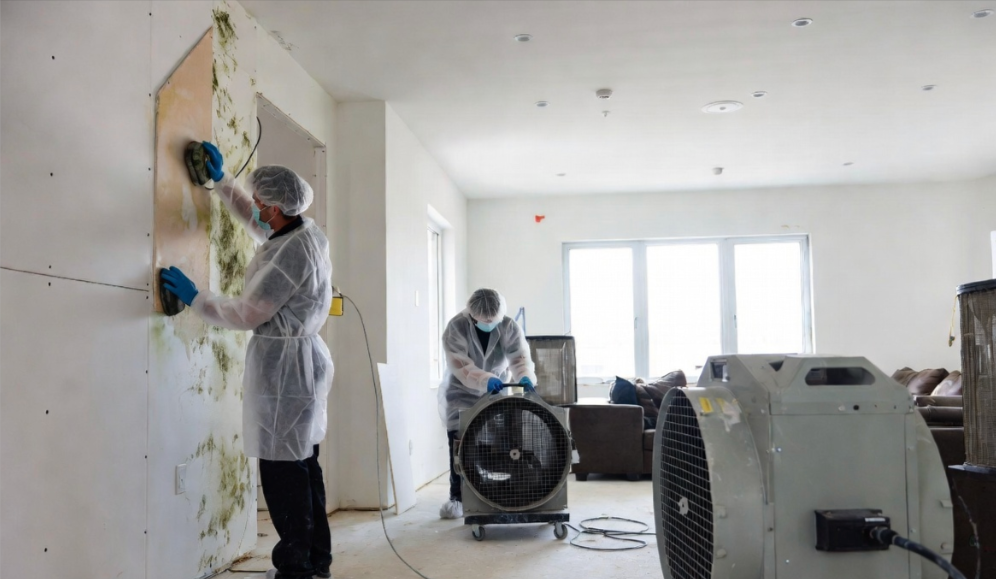
If you are dealing with extensive mold growth or persistent mold issues, consider hiring a professional mold remediation company like Utah Flood Guys. Our experienced team can assess the extent of the mold damage, safely remove mold colonies, and restore your property to a mold-free state.
Conclusion:
Mold not only poses health risks but also has a significant environmental impact. By understanding the environmental implications of mold and taking proactive steps to mitigate its effects, you can protect your property, your health, and the environment. If you need help with mold removal or water damage restoration, Utah Flood Guys is here to assist you. Contact us today to learn more about our services and how we can help you address the environmental impact of mold effectively. Remember, when it comes to mold, prevention is always better than cure!
You might also like
Utah Flood Guys Blog