Emergency Preparedness: What to Do During a Flood
Introduction:
Floods can be a devastating natural disaster that can cause extensive damage to homes and businesses. Being prepared is crucial to ensuring your safety and minimizing the impact of a flood. In this blog post, Utah Flood Guys will provide you with essential tips on what to do during a flood emergency.
Stay Informed:
One of the first steps in emergency preparedness is to stay informed about your local area's flood risk. Keep an eye on weather alerts and warnings issued by local authorities. Familiarize yourself with the terms used, such as flood watch (flooding is possible) and flood warning (flooding is likely). Knowing this information will allow you to take necessary actions promptly.
Prepare an Emergency Kit:
Having an emergency kit ready can make a significant difference during a flood. Make sure your kit includes essentials such as non-perishable food, water, a first aid kit, flashlights, batteries, a portable phone charger, important documents, and medications. Keep your emergency kit in an easily accessible place so you can grab it quickly if needed.
Create a Family Emergency Plan:
It's essential to have a family emergency plan in place to ensure everyone knows what to do during a flood. Discuss evacuation routes, meeting points, and emergency contacts. Assign roles and responsibilities to each family member so that everyone knows what to do in case of a flood emergency. Practice your emergency plan regularly to ensure everyone is prepared.
Turn Off Utilities:
If flooding is imminent, it's crucial to turn off utilities such as gas, electricity, and water to prevent further damage and reduce the risk of fire or electrocution. Be sure to familiarize yourself with how to shut off these utilities in advance to act quickly during an emergency.
Evacuate When Advised:
If authorities recommend evacuation, it's essential to follow their instructions promptly. Do not take unnecessary risks by trying to stay in a flood-affected area. Leave the area and head to higher ground or a designated shelter. Remember to take your emergency kit and necessary personal items with you.
Avoid Floodwaters:
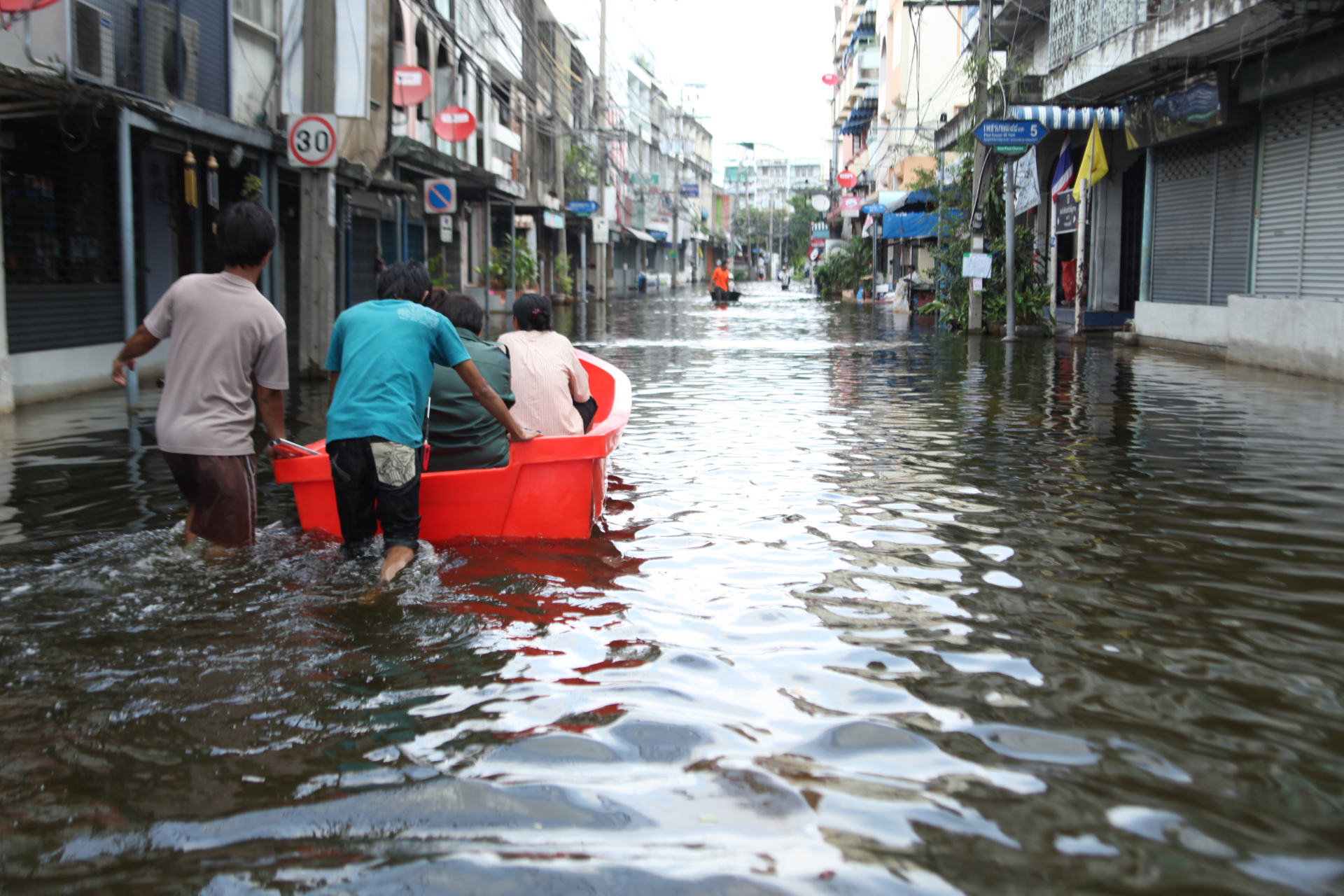
During a flood, avoid walking or driving through floodwaters. It's challenging to determine the depth of water, and even shallow floodwaters can be dangerous. Moving water can sweep vehicles away and pose a risk of drowning. Stay indoors, and if you must evacuate, do so cautiously and follow recommended evacuation routes.
Contact Utah Flood Guys:
If your home or business has been affected by a flood, contact Utah Flood Guys for professional disaster cleanup services. Our experienced team specializes in water damage restoration, mold removal, and fire damage cleanup to help you get back on your feet after a flood.
Conclusion:
Being prepared and knowing what to do during a flood can make all the difference in protecting yourself, your family, and your property. Remember to stay informed, prepare an emergency kit, create a family emergency plan, turn off utilities, evacuate when advised, avoid floodwaters, and contact Utah Flood Guys for assistance if needed. By taking these steps, you can be better prepared to handle a flood emergency and minimize the impact on your home or business. Stay safe and be prepared!
You might also like
Utah Flood Guys Blog