Signs You Might Have Mold in Your Home and How to Address It
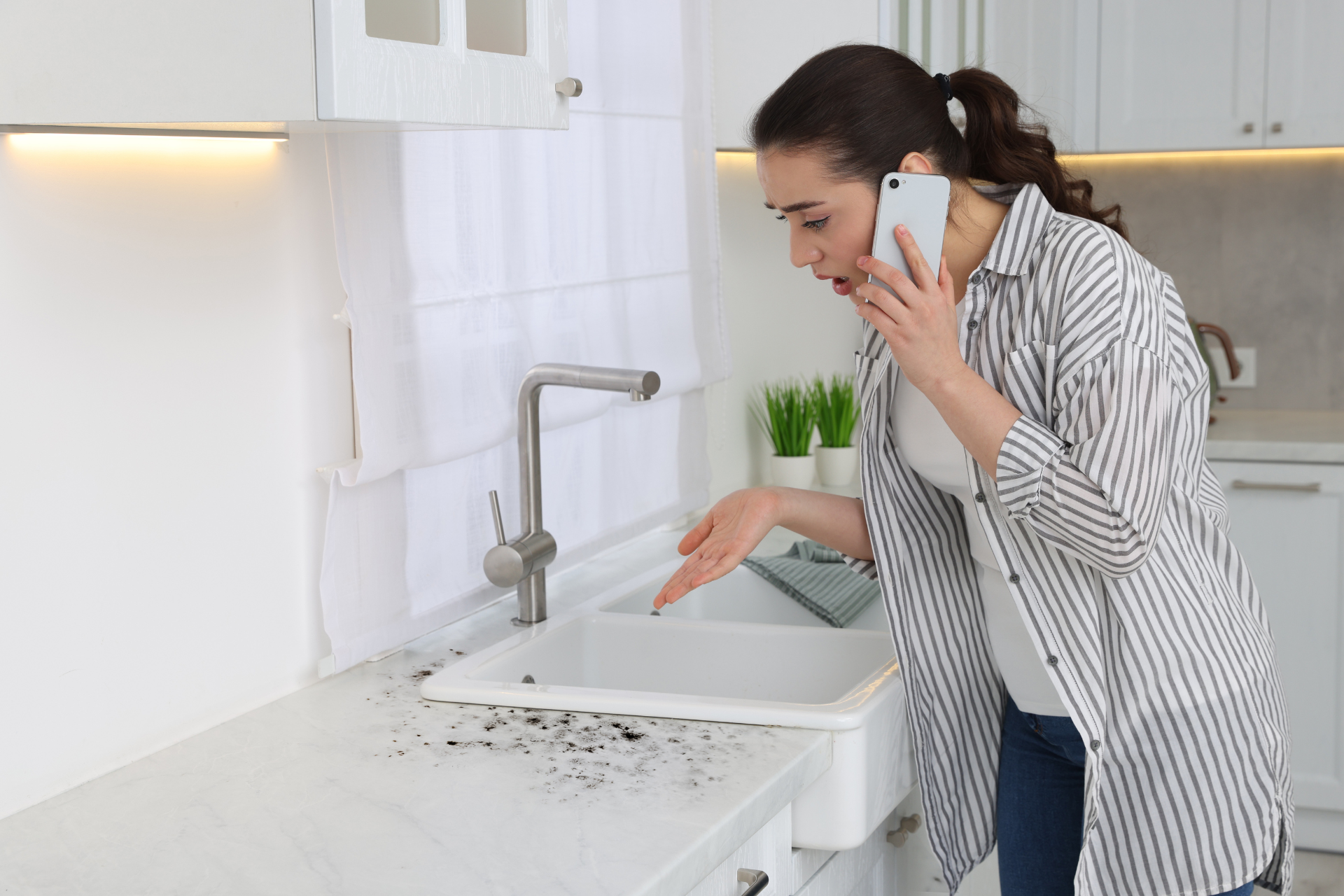
Do you ever catch a whiff of a musty odor in your home and wonder where it's coming from? Or have you noticed strange black spots on your walls or ceilings that seem to be spreading? If so, you might have a mold problem lurking in your home. Mold is not only unsightly but can also pose serious health risks if left unaddressed. In this blog post, we'll explore the signs that indicate you might have mold in your home and provide tips on how to tackle this issue effectively.
### Signs of Mold in Your Home
1. Musty Odor
One of the most common signs of mold is a musty smell that lingers in certain areas of your home. Mold thrives in damp, dark environments, so if you detect a musty odor in areas like basements, bathrooms, or kitchens, it could be a red flag for mold growth.
2. Visible Mold Growth
Mold comes in various forms and colors, including black, green, or white spots that appear on walls, ceilings, or other surfaces. If you spot any visible mold growth, it's essential to take action promptly to prevent it from spreading further.
3. Water Damage
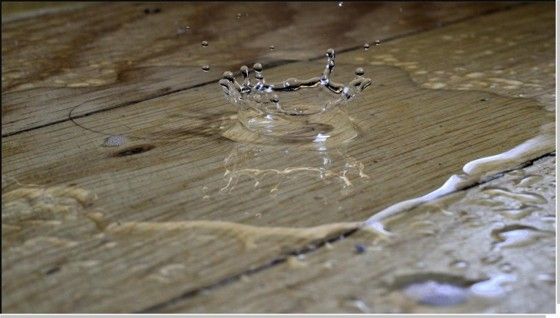
If your home has experienced water damage from leaks, floods, or high humidity levels, this creates the perfect breeding ground for mold. Water-damaged areas are particularly vulnerable to mold growth, so it's crucial to address any water-related issues promptly to prevent mold from taking hold.
4. Allergy Symptoms
Mold exposure can trigger allergic reactions in some individuals, leading to symptoms like sneezing, coughing, watery eyes, and skin irritation. If you or your family members experience unexplained allergy symptoms that seem to worsen while at home, mold could be the culprit.
5. Respiratory Issues
Prolonged exposure to mold spores can exacerbate respiratory conditions such as asthma or bronchitis. If you notice an increase in respiratory issues among your household members, especially when indoors, mold contamination could be a contributing factor.
### How to Address Mold in Your Home
1. Contact Utah Flood Guys
When dealing with mold issues in your home, it's crucial to enlist the help of professionals who specialize in mold removal and remediation. Utah Flood Guys, a trusted restoration company in Utah, offers comprehensive services for residential and commercial mold removal, ensuring a safe and thorough process.
2. Schedule a Mold Inspection
A thorough mold inspection is the first step in identifying the extent of mold contamination in your home. Utah Flood Guys' experienced technicians can conduct a detailed assessment to pinpoint the source of mold growth and develop a customized remediation plan.
3. Mold Removal and Remediation
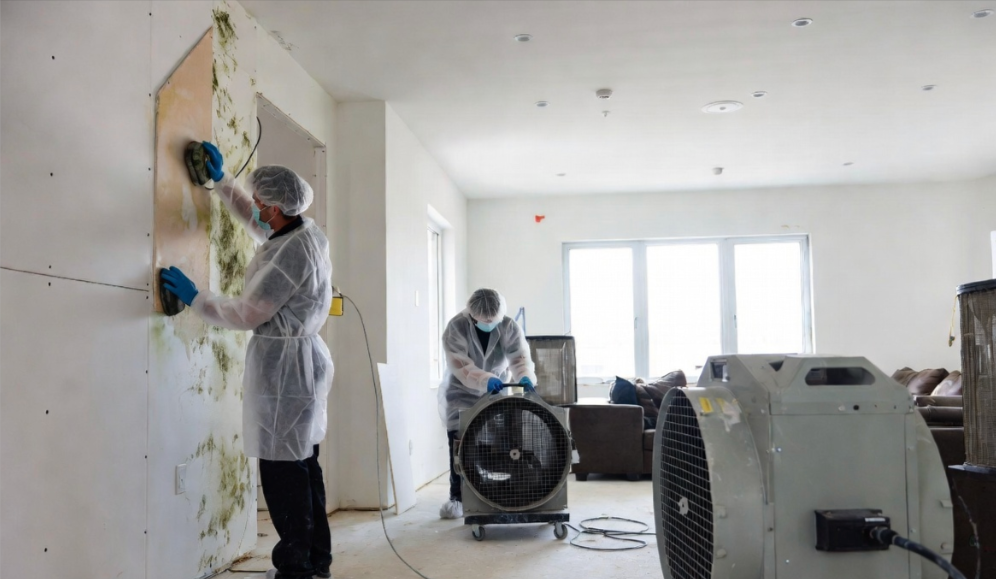
Utah Flood Guys utilizes advanced techniques and equipment to safely remove mold from your home and prevent future growth. From containment measures to proper disposal of contaminated materials, their team ensures a thorough and effective mold remediation process.
4. Address Underlying Issues
In addition to mold removal, Utah Flood Guys can help address underlying issues that contribute to mold growth, such as water damage restoration, moisture control, and ventilation improvements. By tackling these root causes, you can prevent mold from recurring in the future.
5. Follow-Up Testing
After mold remediation is completed, Utah Flood Guys can perform follow-up testing to ensure that your home is free of mold spores and safe for occupancy. This proactive approach gives you peace of mind and assurance that your home is mold-free.
In conclusion, recognizing the signs of mold in your home and taking prompt action is essential for safeguarding your family's health and preserving your property. By partnering with Utah Flood Guys for professional mold removal services, you can address mold issues effectively and restore a healthy living environment. Don't let mold take control of your home – reach out to Utah Flood Guys today for expert assistance in mold removal and remediation.
You might also like
Utah Flood Guys Blog