Protecting Your Valuables During Water and Fire Damage Restoration in Utah
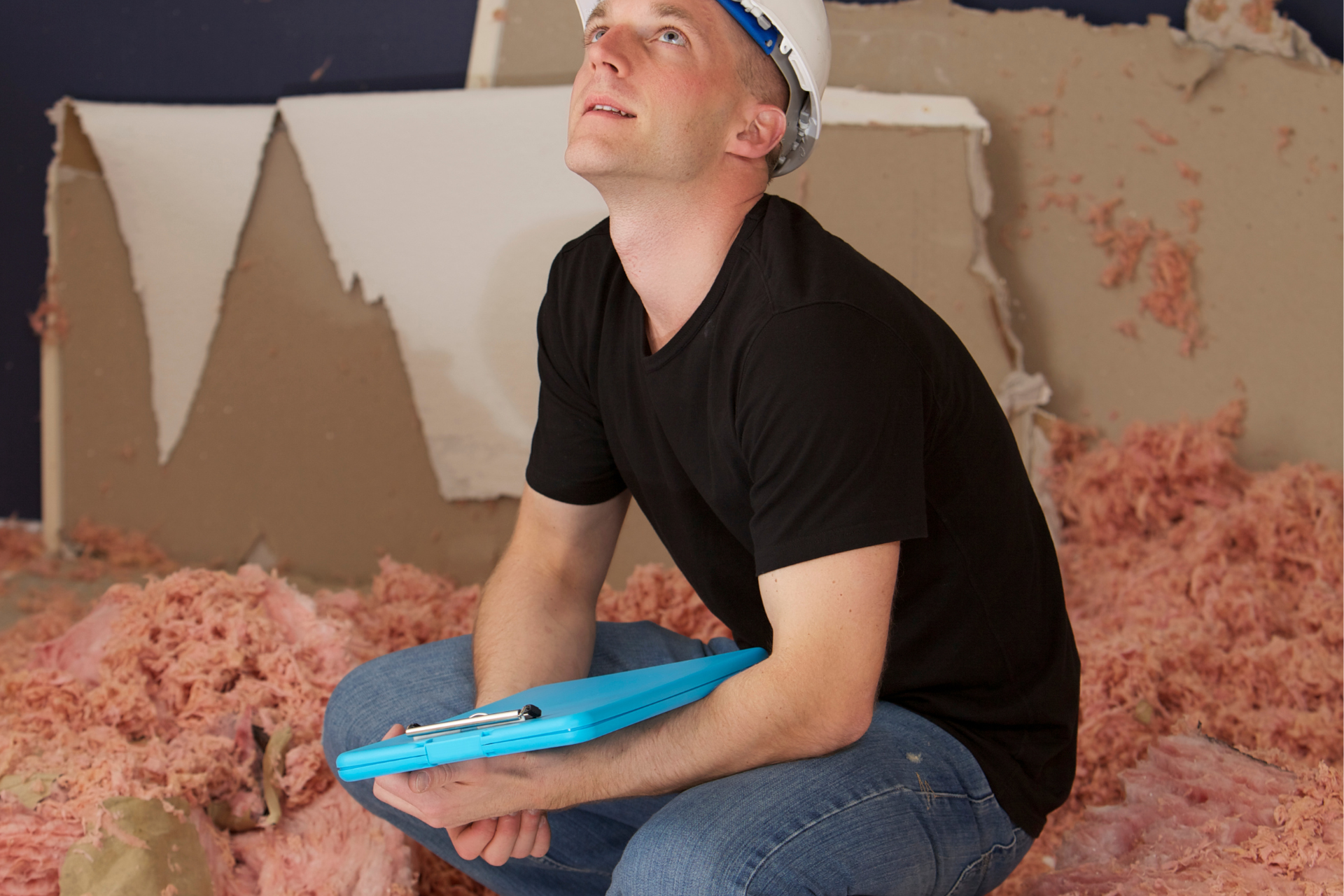
Utah is known for its natural beauty, but residents are also no strangers to disasters such as water damage and fires. When these unexpected events strike your home or office space, the aftermath can be devastating, not only in terms of property loss but also sentimental value. At Utah Flood Guys, we understand the importance of protecting your valuables during the restoration process. Here are some tips to help safeguard your belongings during water and fire damage restoration in Utah.
1. Document and Inventory Your Belongings
Before any restoration work begins, it's crucial to take inventory of your valuables. Create a detailed list of items that have been affected by water or fire damage. Take photos or videos of the damaged items and the overall condition of your property. This documentation will not only assist in the restoration process but also help you file insurance claims.
2. Secure Important Documents and Sentimental Items
Some valuables hold irreplaceable sentimental value or contain critical information. Ensure to retrieve and secure important documents, such as passports, birth certificates, insurance policies, and legal paperwork. Sentimental items like family heirlooms, photos, and jewellery should also be safely stored in a dry and secure location.
3. Remove Valuables from Affected Areas
When water or fire damage occurs, it's essential to move your valuables away from the affected areas promptly. Waterlogged items should be removed from standing water to prevent further damage and mould growth. Smoke-damaged items need proper ventilation to remove lingering odours. By relocating your valuables to a safe place, you can minimize the risk of additional harm.
4. Utilize Proper Packing and Storage Materials
Invest in high-quality packing and storage materials to protect your valuables during the restoration process. Use plastic bins, zip-lock bags, and airtight containers to shield items from moisture and debris. Wrap delicate belongings in bubble wrap or newspapers to prevent scratches or breakage. Label each container with its contents for easy identification.
5. Communicate with Restoration Professionals
Keeping an open line of communication with your restoration professionals is essential for the safety of your valuables. Inform the team at Utah Flood Guys about any particularly valuable items or specific instructions for handling delicate objects. They will work closely with you to ensure that your belongings are treated with care and respect throughout the restoration process.
6. Implement Preventative Measures for Future Protection
Once the restoration work is complete, take proactive steps to safeguard your valuables from potential water and fire damage in the future. Install smoke detectors, fire extinguishers, and a robust security system to prevent fires and break-ins. Routinely inspect your plumbing system and roof for leaks or damages. Consider storing important documents and keepsakes in a fireproof safe for added security.
In conclusion, facing water and fire damage can be a stressful and overwhelming experience. However, by taking proactive measures to protect your valuables during the restoration process, you can mitigate losses and ensure a smoother recovery. At Utah Flood Guys, our team is dedicated to providing comprehensive restoration services for residential and commercial properties in Utah. Contact us today for expert assistance in handling water damage, mold removal, and fire damage restoration. Your valuables deserve the best care, and we're here to help you every step of the way. Stay safe, stay protected, and stay prepared for any unexpected disasters.
You might also like
Utah Flood Guys Blog