Preventing Water Damage: Essential Tips for Utah Homeowners
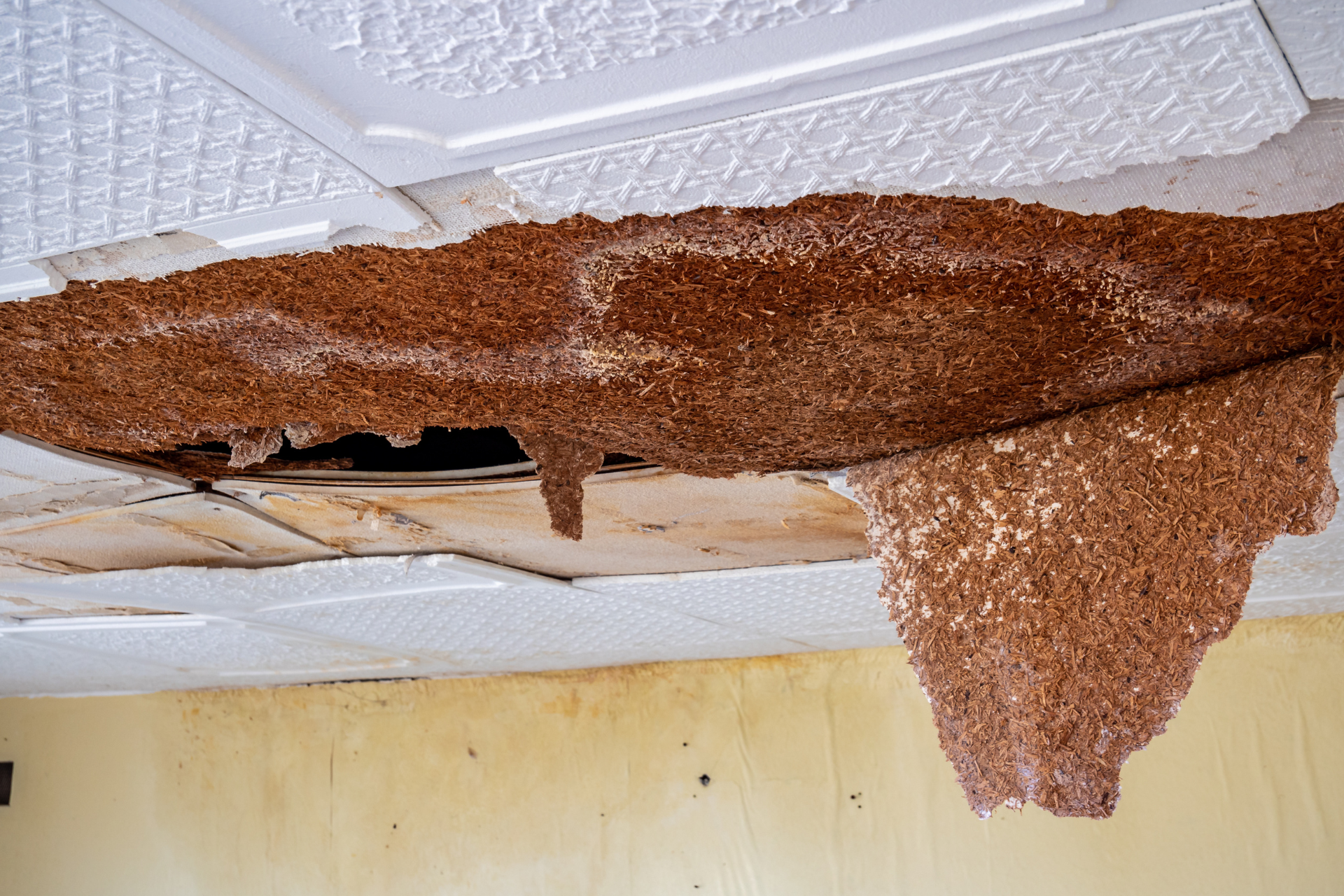
Water damage can be a nightmare for homeowners in Utah, causing costly repairs and posing health risks from mold growth. As the leading restoration experts at Utah Flood Guys, we've seen firsthand the devastating effects of water damage on homes and businesses. The good news is that there are steps you can take to prevent water damage and safeguard your property. In this blog post, we'll share essential tips for Utah homeowners to protect their homes from water damage.
1. Inspect and Maintain Your Roof
Your roof is your home's first line of defense against water infiltration. Regularly inspect your roof for missing or damaged shingles, signs of wear and tear, and leaks. Addressing any issues promptly can prevent water from seeping into your home and causing water damage.
2. Clean and Inspect Gutters and Downspouts
Clogged gutters and downspouts can cause water to overflow and seep into your home's foundation. Clean your gutters and downspouts regularly to ensure proper drainage. Consider installing gutter guards to prevent debris buildup and minimize the risk of water damage.
3. Monitor Your Plumbing System
Leaking pipes, dripping faucets, and faulty connections can lead to water damage if left unchecked. Inspect your plumbing system regularly for any signs of leaks or water damage. Promptly repair any leaks to prevent water from spreading and causing further damage.
4. Maintain Your Sump Pump
Utah homeowners know the importance of having a functional sump pump, especially during heavy rainstorms or snowmelt. Test your sump pump regularly to ensure it's in good working condition. Consider installing a battery backup sump pump to keep your basement dry in case of a power outage.
5. Seal Cracks and Gaps
Inspect the foundation of your home for cracks and gaps where water can seep in. Seal any cracks with waterproof sealant to prevent water infiltration. Pay attention to areas around windows, doors, and vents, as these are common entry points for water.
6. Monitor Indoor Humidity Levels
High indoor humidity levels can promote mold growth and cause moisture-related issues. Use a dehumidifier to maintain optimal humidity levels in your home, especially in areas prone to moisture buildup like basements and bathrooms.
7. Landscape for Proper Drainage
Ensure that your yard is graded away from your home to prevent water from pooling around the foundation. Consider installing French drains or landscaping features to redirect water away from your home and prevent water damage.
8. Be Prepared for Severe Weather
Utah is no stranger to severe weather events like flash floods and snowstorms. Stay informed about weather forecasts and take proactive measures to protect your home during extreme weather conditions. Have an emergency preparedness plan in place and keep important documents and valuables in a safe, waterproof location.
By following these essential tips, Utah homeowners can reduce the risk of water damage and protect their homes from potential disasters. In case of water damage, trust the experts at Utah Flood Guys to provide efficient and reliable restoration services. Stay proactive, stay prepared, and safeguard your home against water damage. Your home deserves the best protection, so don't wait until it's too late. Take action today and prevent water damage from wreaking havoc on your home.
You might also like
Utah Flood Guys Blog