Preventing Fire Damage in Your Home: Safety Tips
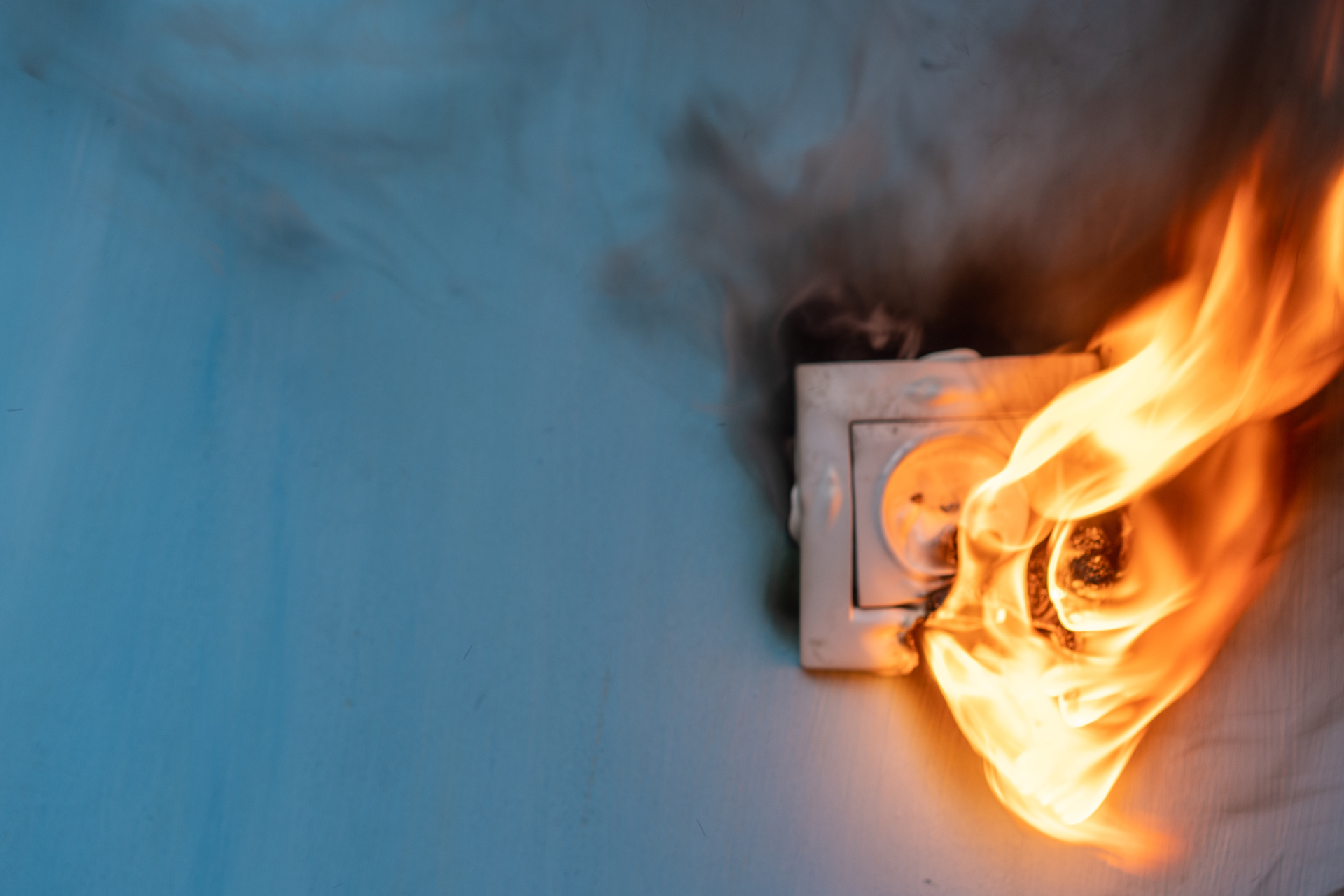
At Utah Flood Guys, we understand the devastation that fire damage can bring to homes and businesses. It's not just about the visible destruction caused by flames; it's also about the emotional toll and the long road to recovery. That's why we're here to offer some helpful tips on how you can prevent fire damage in your home and keep your loved ones safe.
1. Install Smoke Alarms
One of the easiest and most effective ways to prevent fire damage is by installing smoke alarms in key areas of your home. Make sure to test them regularly and replace the batteries as needed. Smoke alarms can alert you to a fire in its early stages, giving you and your family valuable time to escape.
2. Practice Fire Safety
Teach your family members, especially children, about fire safety. Establish a fire escape plan and practice it regularly. Make sure everyone knows the quickest way out of the house and where to meet outside in case of a fire. By being prepared, you can minimize the risk of injuries and ensure everyone’s safety.
3. Keep Flammable Items Secure
Flammable items like matches, lighters, and candles should be kept out of reach of children and stored in a secure location. Make sure to extinguish candles before leaving the room and never leave cooking unattended. It's the little things that can make a big difference when it comes to fire safety.
4. Maintain Electrical Appliances
Faulty electrical appliances are a common cause of household fires. Regularly inspect your appliances for signs of damage, such as frayed cords or exposed wires. Don't overload electrical outlets and unplug appliances when not in use. Taking these simple precautions can help prevent electrical fires in your home.
5. Properly Store Flammable Materials
If you store flammable materials like gasoline, propane, or paint in your home, make sure to store them in a cool, well-ventilated area away from heat sources. Always follow the manufacturer's instructions for storage and disposal to reduce the risk of accidental fires.
6. Maintain Your Heating System
Heating systems are another common cause of house fires, especially during the winter months. Keep your heating system well-maintained by having it inspected and serviced regularly by a professional. Make sure to clean or replace filters as recommended to prevent buildup and potential fire hazards.
7. Invest in Fire Extinguishers
Having a fire extinguisher in your home is essential for quick and effective fire protection. Place fire extinguishers in key areas like the kitchen, garage, and near bedrooms. Make sure everyone in your household knows how to use a fire extinguisher correctly and safely.
In Conclusion
By following these safety tips, you can reduce the risk of fire damage in your home and protect your property and loved ones. Remember, prevention is always better than dealing with the aftermath of a fire. However, if disaster strikes and you find yourself in need of fire damage restoration services, Utah Flood Guys is here to help. Our team of experts is available 24/7 to assist with fire damage cleanup and restoration, ensuring your home is restored to its pre-fire condition as quickly and efficiently as possible.
Stay safe, be prepared, and know that Utah Flood Guys has your back in case of any fire damage emergency.
You might also like
Utah Flood Guys Blog