How to Keep Your Home Mold-Free During Humid Seasons
Introduction:
Hey there, homeowners! As we all know, living in Utah means experiencing a range of weather conditions throughout the year. And when those humid seasons roll around, it's essential to take steps to keep your home mold-free. Mold can quickly become a nightmare, causing structural damage and affecting your health. But fear not, the Utah Flood Guys are here to share some tips on how to combat mold growth in your home during those sticky, humid months.
Understanding Mold:
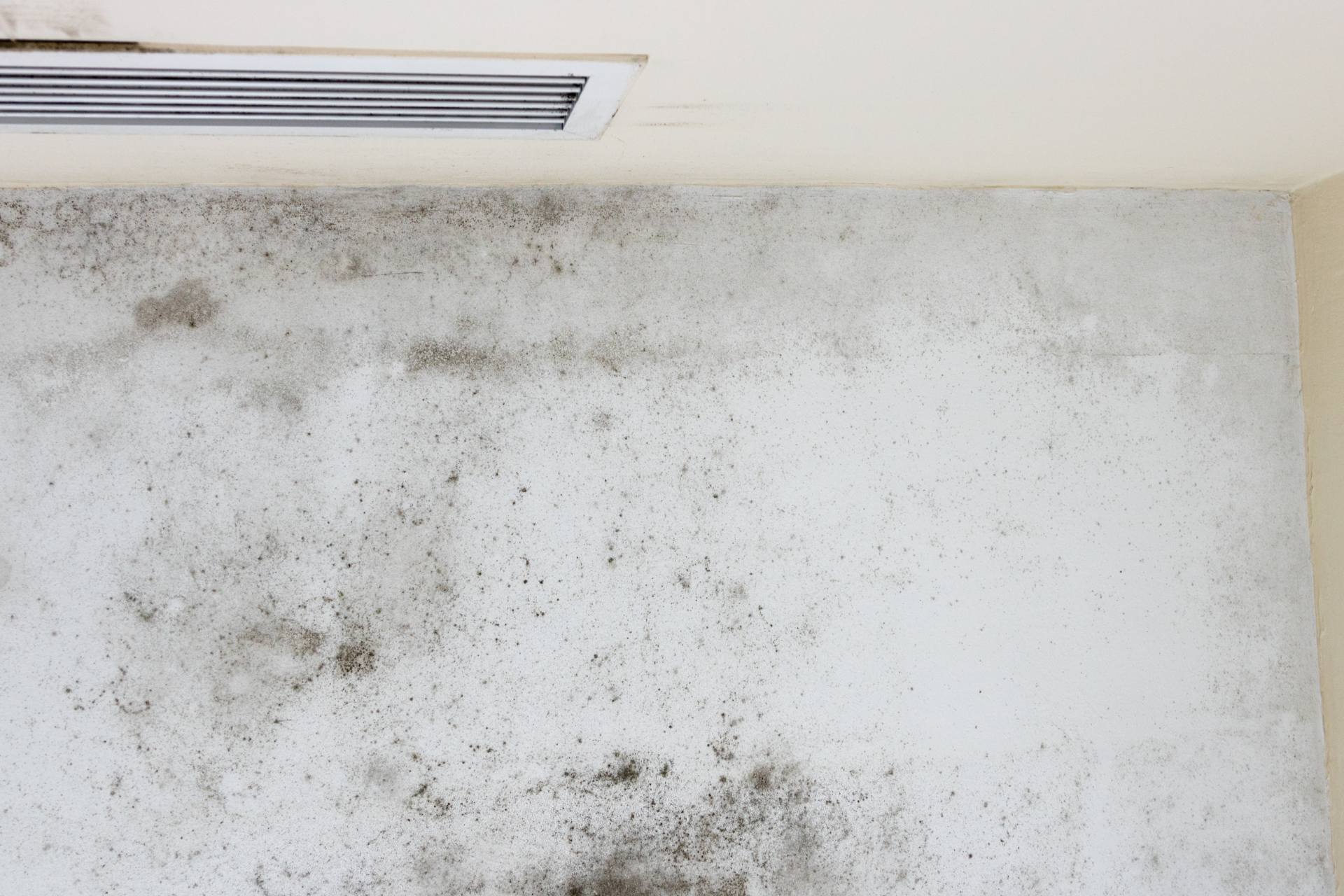
Before we dive into prevention methods, let's talk a bit about what mold is and why it loves humid environments. Mold is a type of fungus that thrives in damp, warm conditions. When the humidity levels in your home rise, it creates the perfect breeding ground for mold spores to settle and multiply. Common signs of mold growth include musty odors, visible black or green spots on walls or ceilings, and allergic reactions like sneezing or coughing.
Tips to Keep Mold at Bay:
1. Monitor Indoor Humidity Levels
Invest in a hygrometer to keep track of the humidity levels in your home. Ideally, indoor humidity should be between 30-50%. If you notice it creeping higher, consider using a dehumidifier to bring it back down to a safe range.
2. Proper Ventilation
Ensure that your home has adequate ventilation in areas prone to moisture buildup, such as bathrooms, kitchens, and basements. Use exhaust fans to vent out humid air when cooking or showering and keep doors open to promote airflow.
3. Fix Leaks Promptly
Any leaks in your plumbing or roof can lead to excess moisture, creating a breeding ground for mold. Be vigilant in checking for and repairing leaks as soon as they're detected to prevent water damage and mold growth.
4. Clean Regularly
Dust and dirt can harbor mold spores, so it's crucial to keep your home clean and clutter-free. Pay extra attention to areas like carpets, upholstery, and air ducts, as they can trap moisture and mold spores if not cleaned regularly.
5. Use Mold-Resistant Products
When renovating or redecorating, opt for mold-resistant materials such as paint, drywall, and insulation. These products are designed to inhibit mold growth and can be a great preventive measure in high-humidity areas.
6. Maintain Your Gutters
Clogged gutters can cause water to overflow and seep into your home's foundation, leading to dampness and mold issues. Make sure to clean out your gutters regularly to prevent water damage and mold growth.
7. Seek Professional Help
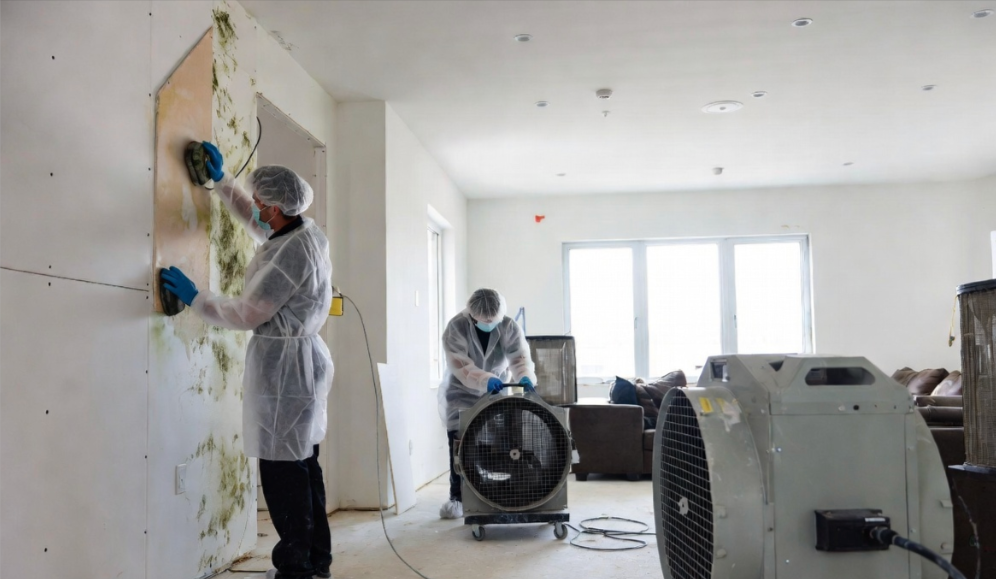
If you suspect mold growth in your home or have experienced water damage, don't hesitate to contact the experts at Utah Flood Guys. Our team specializes in mold removal and restoration services to ensure your home is safe and mold-free.
Conclusion:
By following these simple tips and staying proactive in maintaining a dry, well-ventilated home, you can effectively keep mold at bay during humid seasons. Remember, prevention is key when it comes to mold control, so don't overlook the importance of a mold-free environment for your family's well-being. If you ever find yourself facing mold issues or water damage, Utah Flood Guys are here to help. Stay dry, stay safe, and enjoy a mold-free home all year round!
You might also like
Utah Flood Guys Blog