Mold in the Walls: How to Prevent Mold from Spreading in Your Home
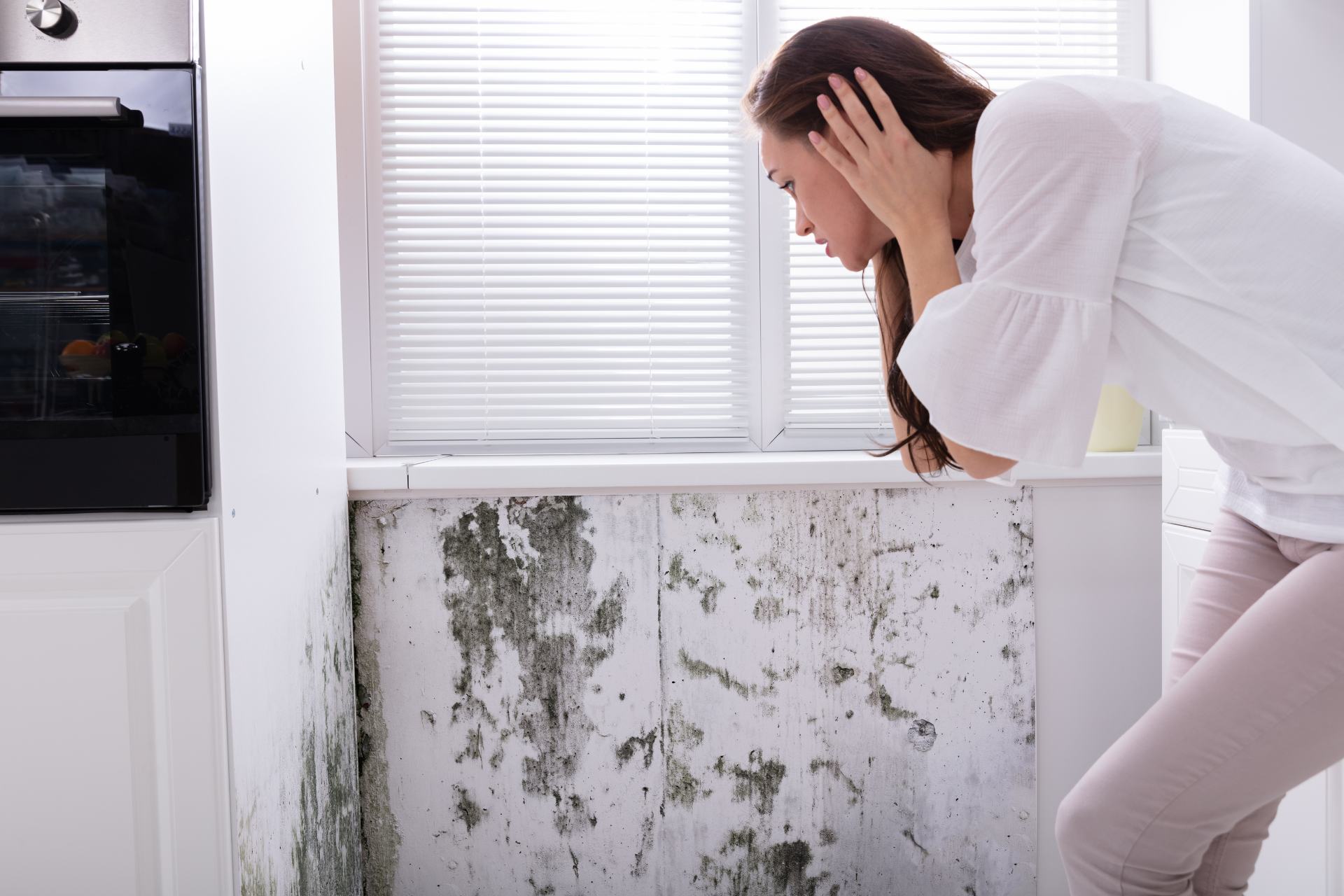
Hey there, homeowners! If you've stumbled upon mold lurking in your walls, you’re not alone. Mold can be a pesky problem, especially in places like Utah, where we experience a variety of weather conditions. At Utah Flood Guys, we know that once mold makes itself at home, it can spread quickly and cause serious damage to both your property and your health. But don’t panic! We’re here to help you understand how to prevent mold from taking over your space.
Understanding Mold's Favorite Places
Mold loves moisture and can thrive in damp environments. The usual suspects for mold growth are areas like bathrooms, kitchens, basements, and even behind walls. If you have suffered from water damage or leaks, those are prime conditions for mold to kick into high gear. The key to a mold-free environment is keeping things dry and well-ventilated.
Tips to Keep Mold at Bay
1. Control Humidity Levels
One of the best ways to keep mold from settling in is to control humidity levels in your home. Aim for indoor humidity levels to be between 30-50%. You can achieve this with a dehumidifier or by using air conditioning during the hotter months. Investing in hygrometers can help you keep an eye on moisture levels to ensure your spaces are mold-free.
2. Fix Leaks Promptly
If you notice leaks or standing water anywhere in your home, don’t let them fester. This includes plumbing leaks and even condensation around windows. Addressing these issues immediately is crucial in preventing mold from getting comfortable behind your walls. Remember, a little prevention is much better than a costly cure!
3. Ventilate Properly
Good airflow goes a long way in the fight against mold. Make it a habit to open windows when weather permits, use exhaust fans while cooking or bathing, and consider installing vents in areas prone to moisture buildup. Adequate ventilation helps keep humidity levels in check and creates an environment that’s less inviting to mold.
4. Insulate
Poor insulation can lead to condensation, which is a mold magnet. Ensure your walls, plumbing, and attics are properly insulated to prevent moisture accumulation. If you already have insulation, give it a once-over for any signs of dampness or mold growth.
5. Regularly Inspect Your Home
Don’t wait for mold to announce its presence! Conduct regular inspections of key areas—like behind appliances, under sinks, and any other moist environments. Early detection can save you a ton of trouble down the road.
6. Use Mold-Resistant Products
If you are planning any home renovations, consider using mold-resistant products. Paint, drywall, and insulation designed to resist mold can be invaluable tools in your anti-mold arsenal.
When You Need a Professional
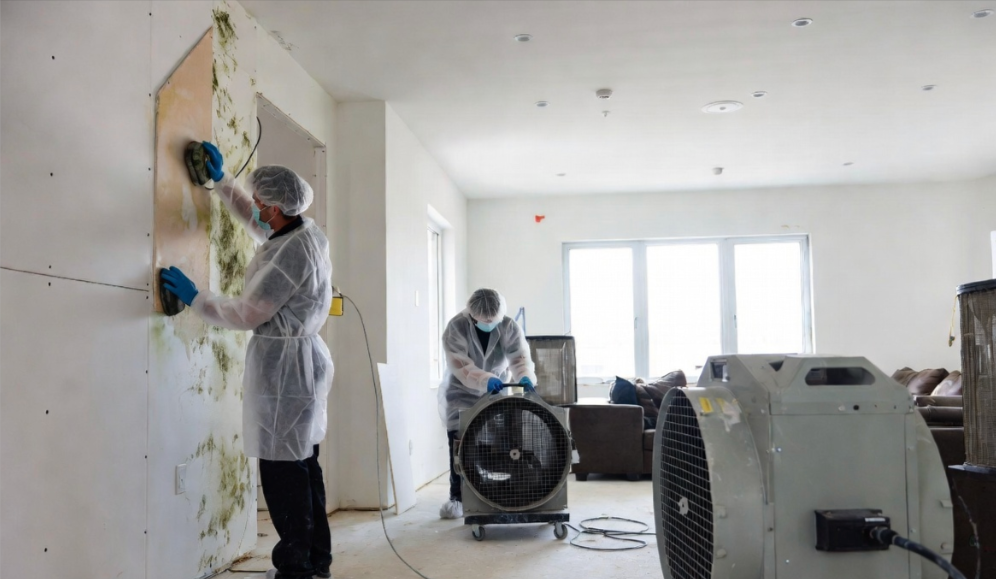
Even with your best preventive efforts, sometimes mold can still find a way in. If you suspect mold has taken root in your walls, don’t hesitate to call in the experts at Utah Flood Guys. We specialize in mold removal and restoration services that can help ensure your home remains safe and healthy.
In the battle against mold, awareness and proactive measures are your best allies. Keep your home dry, monitor humidity, and address leaks promptly. If you need assistance, remember we're just a call away to help you reclaim your space. Stay mold-free, Utah!
You might also like
Utah Flood Guys Blog