Local Resources for Disaster Recovery
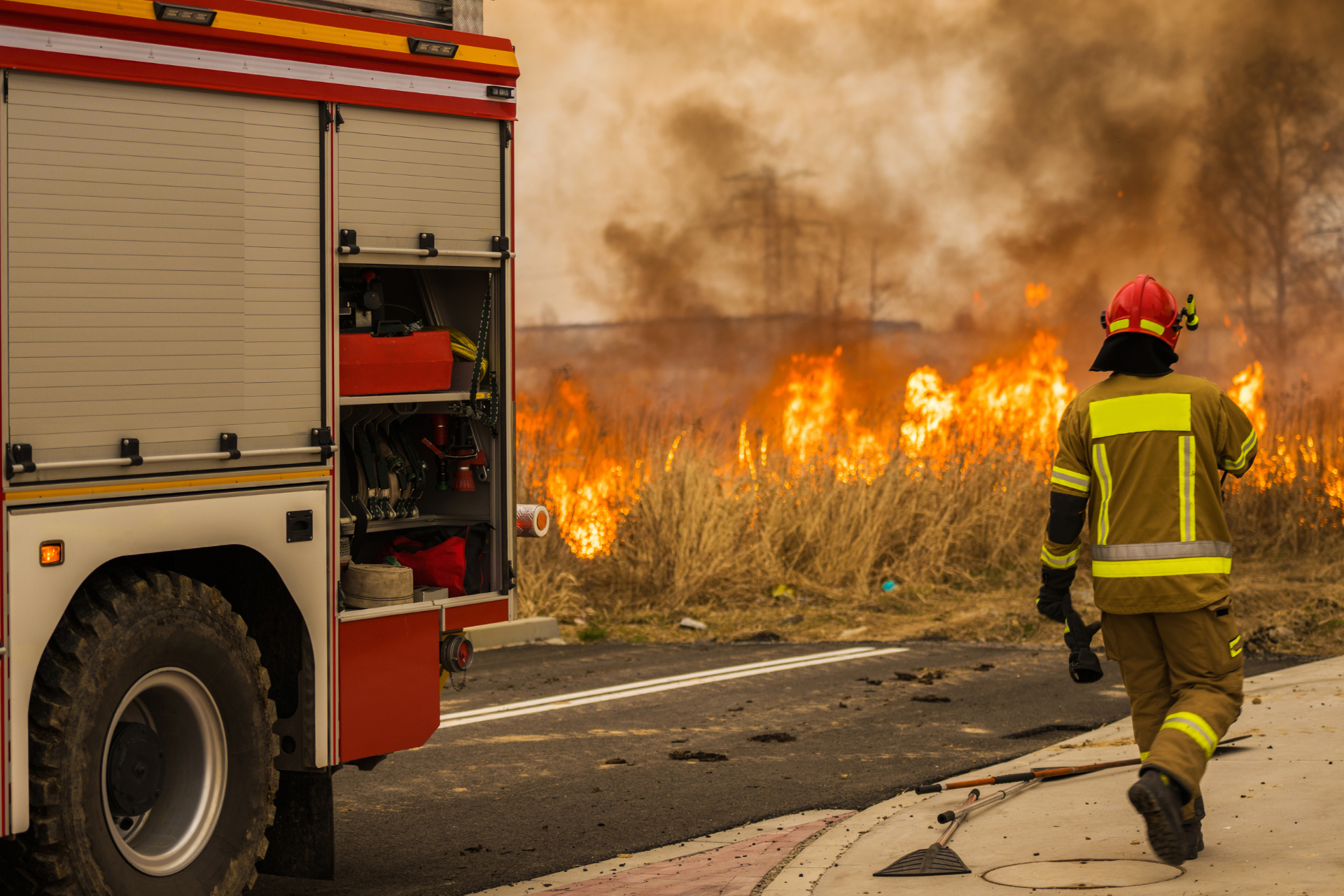
Disasters can strike at any moment, leaving a trail of destruction and chaos in their wake. Whether it's a burst pipe flooding your basement, a wildfire ravaging your neighborhood, or a mold infestation spreading in your home, the aftermath of a disaster can be overwhelming. In times like these, having access to local resources for disaster recovery is crucial to help you navigate the challenging process of restoring your home or business back to its former glory.
If you find yourself in the midst of a disaster in Utah, the Utah Flood Guys are here to lend a helping hand. As a trusted restoration company specializing in water damage, mold removal, and fire damage, we understand the importance of having a reliable support system during times of crisis. In addition to our top-notch restoration services, we also believe in empowering our community by providing information on local resources that can aid in the disaster recovery process.
Here are some valuable local resources in Utah that you can turn to for assistance in the event of a disaster:
1. Utah Division of Emergency Management
The Utah Division of Emergency Management (DEM) plays a vital role in coordinating disaster response efforts across the state. They provide information on emergency preparedness, response plans, and recovery assistance. In times of crisis, the DEM works closely with local agencies to ensure that resources are allocated efficiently to those in need.
2. American Red Cross of Utah
The American Red Cross is a well-known organization that provides disaster relief services to individuals and communities across the country. The Red Cross of Utah offers services such as shelter, food, and emotional support to those affected by disasters. They also provide resources for disaster preparedness and recovery to help communities build resilience.
3. Utah Department of Health
In the aftermath of a disaster, health and safety concerns are a top priority. The Utah Department of Health offers valuable information on how to stay safe during and after a disaster, as well as resources for addressing health issues that may arise. From addressing mold exposure to ensuring clean water sources, the Department of Health is a valuable resource for staying healthy during the recovery process.
4. Utah Insurance Department
Dealing with insurance claims can be a complex and overwhelming process, especially in the aftermath of a disaster. The Utah Insurance Department provides information on insurance coverage, claims processes, and how to navigate the insurance system effectively. Their resources can help you understand your rights as a policyholder and ensure that you receive fair compensation for your losses.
5. Local Community Centers and Nonprofit Organizations
Local community centers and nonprofit organizations often play a crucial role in disaster recovery efforts. These organizations offer a wide range of services, such as emergency assistance, temporary housing, food distribution, and support services. They can also connect you with volunteers and resources to help you rebuild and recover from a disaster.
In times of crisis, it's essential to know that you're not alone. By tapping into local resources for disaster recovery, you can access the support and assistance you need to navigate the challenges of restoring your home or business. Whether it's guidance on insurance claims, health and safety concerns, or emotional support, these resources are here to help you rebuild and recover from even the most devastating disasters.
At Utah Flood Guys, we understand the importance of community support in times of crisis. Our team is here to provide expert restoration services and guidance to help you through the process of disaster recovery. Remember, you're not alone – we're in this together. Stay safe, stay prepared, and know that help is always just a phone call away.
You might also like
Utah Flood Guys Blog