How to Safely Clean Up After a Fire in Your Home
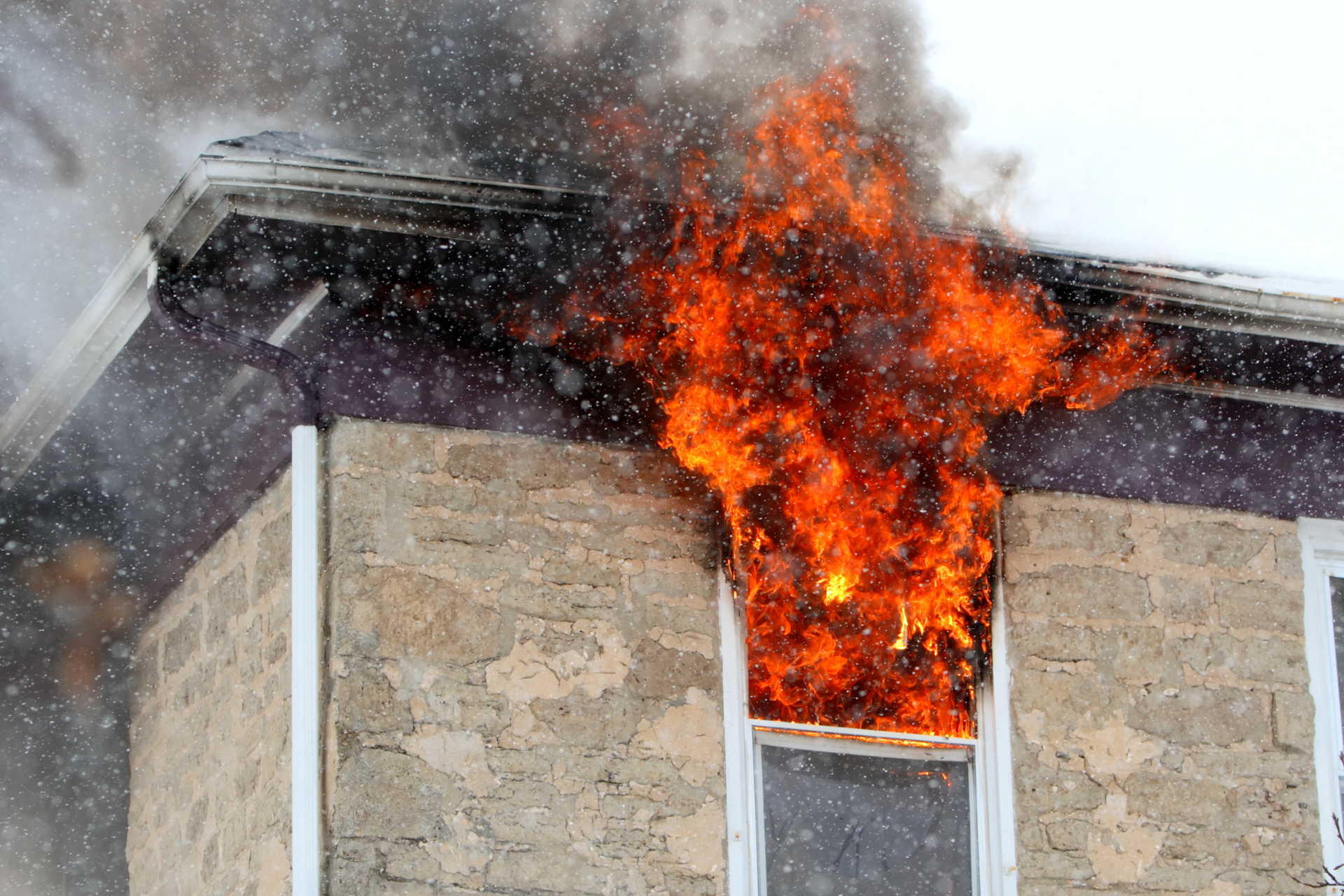
When disaster strikes and a fire ravages your home, the road to recovery can feel overwhelming. The aftermath of a fire can be daunting, but with the right guidance and approach, you can safely clean up and restore your home to its former glory. At Utah Flood Guys, we understand the challenges that come with fire damage, which is why we're here to provide you with practical tips on how to navigate the cleanup process effectively.
1. Safety First
Before diving into the cleanup process, prioritize your safety and the safety of those around you. Make sure the authorities have deemed the property safe to enter and wear protective gear such as gloves, masks, and sturdy footwear. Additionally, be cautious of structural damage and avoid entering areas that may pose a risk of collapse.
2. Contact Your Insurance Provider
Once you've ensured your safety, reach out to your insurance provider to report the fire damage. They can guide you through the claims process and provide you with important information on coverage for cleanup and restoration services. Document the damage with photos and make a detailed inventory of all affected items.
3. Assess the Damage
Before you begin cleaning up, assess the extent of the damage to determine the areas that require immediate attention. Inspect walls, ceilings, floors, and belongings for soot, smoke residue, and water damage from firefighting efforts. Take note of any structural damage that needs to be addressed by professionals.
4. Ventilate the Space
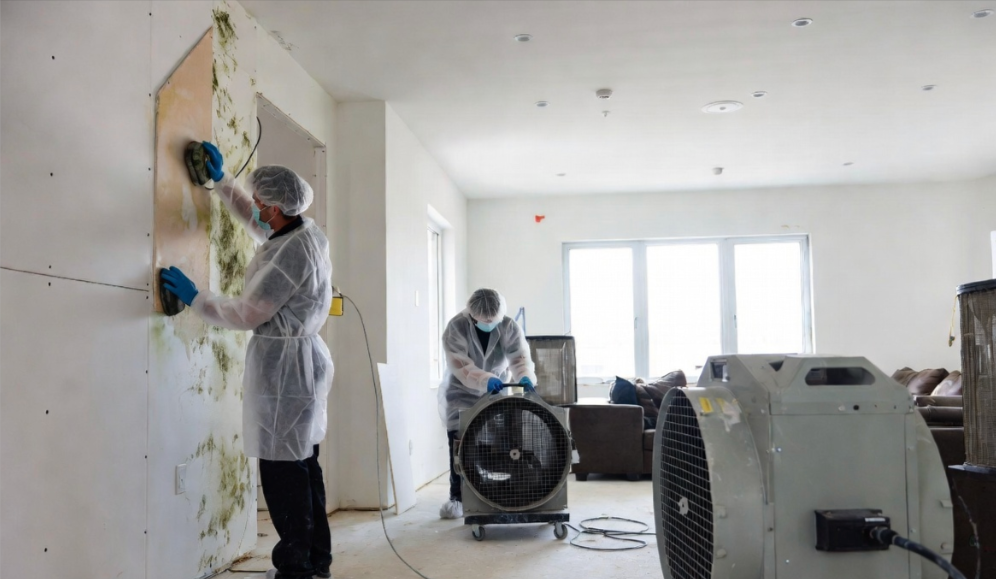
Proper ventilation is crucial to remove lingering smoke odor and improve air quality. Open windows and doors to allow fresh air to circulate throughout the space. Consider using fans and dehumidifiers to expedite the drying process and prevent mold growth.
5. Clean Soot and Residue
Soot and smoke residue can penetrate surfaces and pose health risks if not properly cleaned. Use a vacuum cleaner with a HEPA filter to remove loose soot particles from carpets, upholstery, and floors. Wipe down surfaces with a mild detergent and water solution to remove stubborn residue and odors.
6. Dispose of Damaged Items
Dispose of charred and irreparably damaged items properly to prevent further contamination and health hazards. Follow guidelines provided by your local waste management authority for disposing of fire-damaged materials, including furniture, appliances, and personal belongings.
7. Address Water Damage
In addition to fire damage, water damage from firefighting efforts can compound the cleanup process. Use a wet/dry vacuum to extract standing water and dry out affected areas to prevent mold growth. Consult with professionals if extensive water damage is present.
8. Seek Professional Help
While DIY cleanup efforts can be effective for minor fire damage, it's advisable to seek professional help for comprehensive restoration. At Utah Flood Guys, our experienced team can assess the extent of the damage, provide specialized cleaning techniques, and restore your home to its pre-fire condition.
9. Prevent Future Fires
As you clean up and restore your home, take proactive measures to prevent future fires. Inspect and maintain smoke detectors, fire extinguishers, and electrical systems regularly. Create a fire escape plan for your family and practice fire safety precautions to minimize the risk of future incidents.
At Utah Flood Guys, we understand the emotional toll of fire damage and are committed to helping you navigate the cleanup and restoration process with compassion and expertise. If you're facing fire damage in your home, reach out to us for professional assistance and peace of mind in restoring your home.
Remember, after the flames are extinguished, there is hope for rebuilding and restoring your home with the right support and guidance. Stay safe, stay resilient, and trust in the restoration experts at Utah Flood Guys to help you through this challenging time.
You might also like
Utah Flood Guys Blog