How to Protect Your Home from Flooding in Utah’s Wet Season
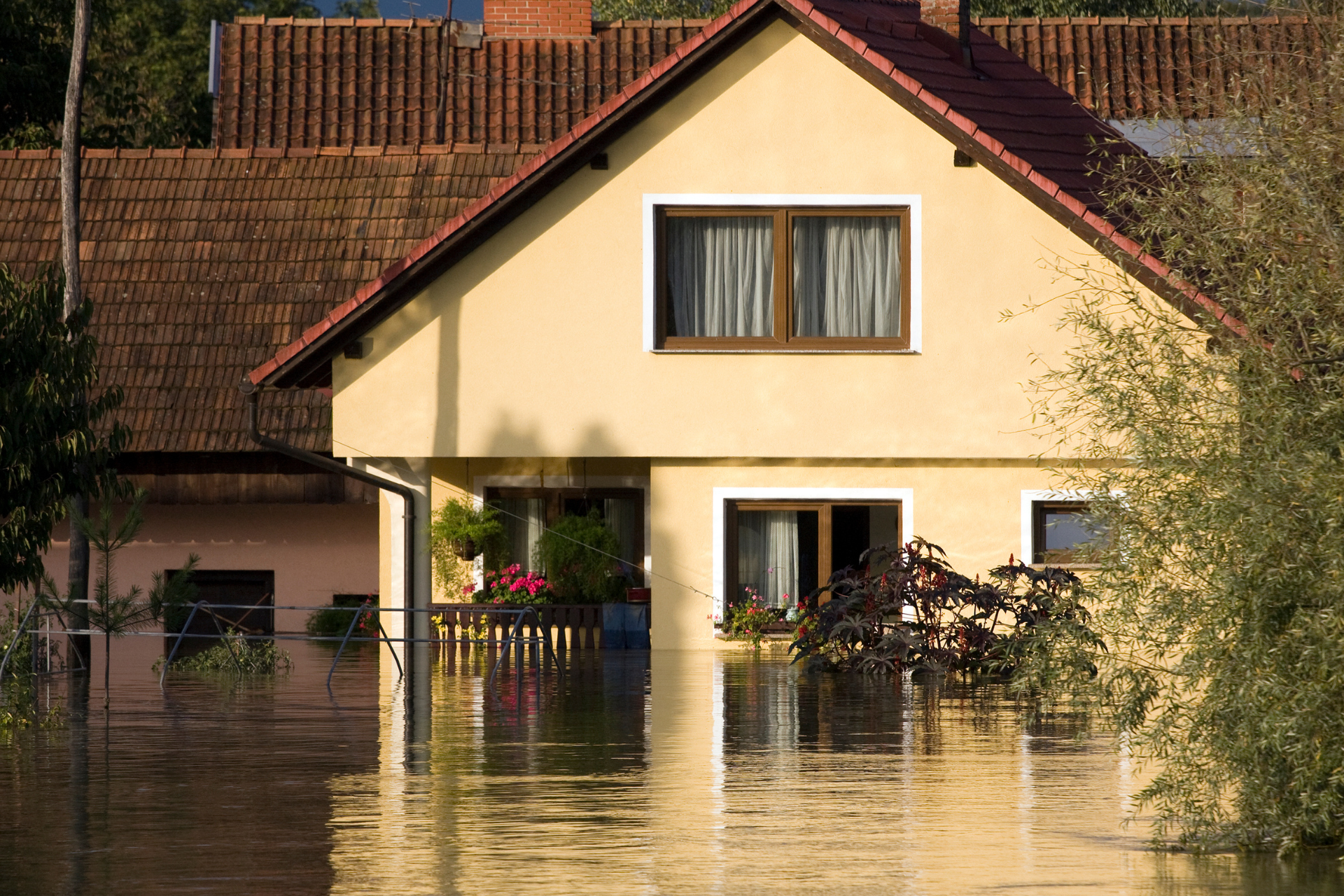
As the wet season approaches in Utah, the potential for flooding becomes a pressing concern for homeowners and renters alike. With the beautiful scenery and mountain views come the challenges of heavy rains and melting snow, which can lead to water damage and serious disruptions. But don’t worry; Utah Flood Guys is here to help you safeguard your home this season with practical tips to prevent flooding and mitigate damage.
1. Understand Your Flood Risk
The first step in protection is knowing your flood risk. Consider checking your local flood maps, which can give you an idea of how likely you are to experience flooding in your area. If you live near rivers or in a low-lying region, take special care and stay informed about weather forecasts. Familiarizing yourself with your surroundings and understanding possible emergency routes can be life-saving in a flooding situation.
2. Maintain Your Gutters and Downspouts
One of the simplest ways to protect your home is to keep your gutters and downspouts clean and well-maintained. Clogged gutters can lead to overflow during rainstorms, allowing water to pool around your home’s foundation. Make it a habit to inspect your gutters every spring and fall and clean them of leaves and debris. Ensure that your downspouts direct water at least six feet away from your foundation to minimize risk.
3. Install a Sump Pump
A sump pump can be a game-changer when it comes to flood prevention. If you have a basement, installing a sump pump can help prevent excess water from pooling in your basement during heavy rain. Make sure to test the pump regularly to ensure it’s working correctly and keep an eye out for battery backup options in case of power outages during storms.
4. Seal Foundation Cracks
Small cracks in your foundation can allow water to seep in, causing significant damage over time. Inspect your foundation regularly and seal any cracks with waterproof sealant. This simple step can help protect your investment and keep water from infiltrating your home.
5. Landscape for Drainage
Landscaping might seem like a cosmetic job, but properly designed landscaping plays a crucial role in managing water drainage. Create gentle slopes away from your home using soil or rocks, and consider adding rain gardens or swales to absorb extra water. Planting native vegetation can also help as their root systems improve soil structure and promote drainage.
6. Invest in Flood Insurance
Even with precautions in place, flooding can occur unexpectedly. This is where flood insurance comes into play. Check your homeowner’s insurance policy to see if it includes flood coverage and consider adding a separate policy if not. Flood insurance can help alleviate the financial burden and provide peace of mind during the wet season.
7. Create an Emergency Plan
Finally, preparation is key. Create an emergency plan with your family that includes evacuation routes, essential contacts, and supplies like first aid kits, flashlight batteries, and non-perishable food. Knowing what steps to take in the event of flooding can save lives and reduce panic during a crisis.
As the wet season rolls in, remember that being proactive is your best approach to protecting your home from flooding. By following these tips, you can safeguard your property and ensure that you’re ready for whatever Mother Nature brings. If you do encounter water damage, remember to reach out to Utah Flood Guys for prompt and professional assistance. Stay safe out there!
You might also like
Utah Flood Guys Blog