How to Identify Mold in Your Home: Signs to Watch For
Welcome back, dear readers! Today, we're going to talk about a topic that can easily go unnoticed but has the potential to cause serious health concerns: mold. Mold is a common issue in many homes, especially those that have experienced water damage. As the trusted restoration experts at Utah Flood Guys, we want to make sure you know how to spot the signs of mold in your home before it becomes a bigger problem.
Mold can quickly spread and thrive in moist, warm environments, making it essential to catch and address it early. Here are some key signs to watch for to identify mold in your home:
1. Musty Odor
One of the most common signs of mold is a musty, earthy smell that lingers in certain areas of your home. If you notice this persistent odor, it's crucial to investigate further to find the source of the mold growth.
2. Visible Mold Growth
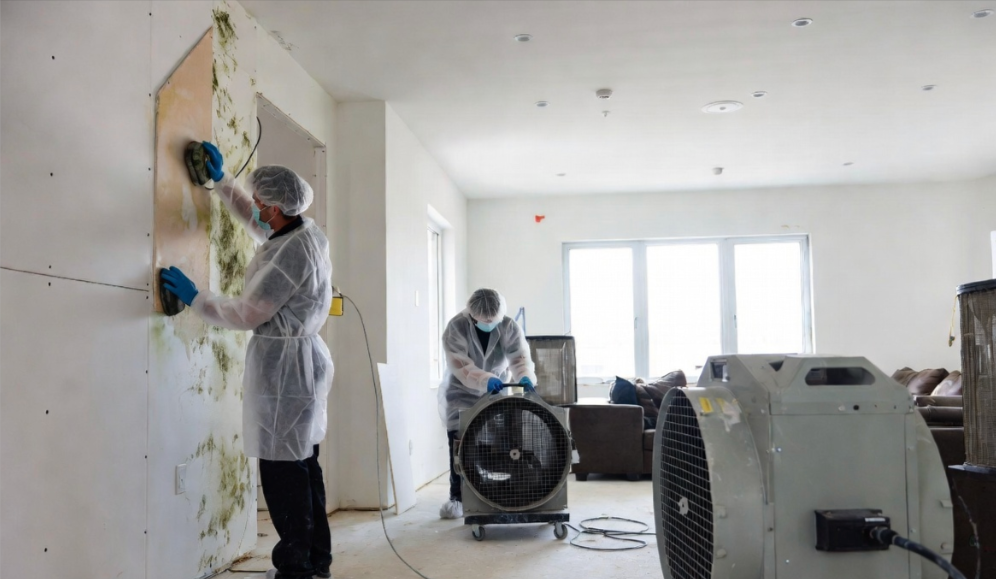
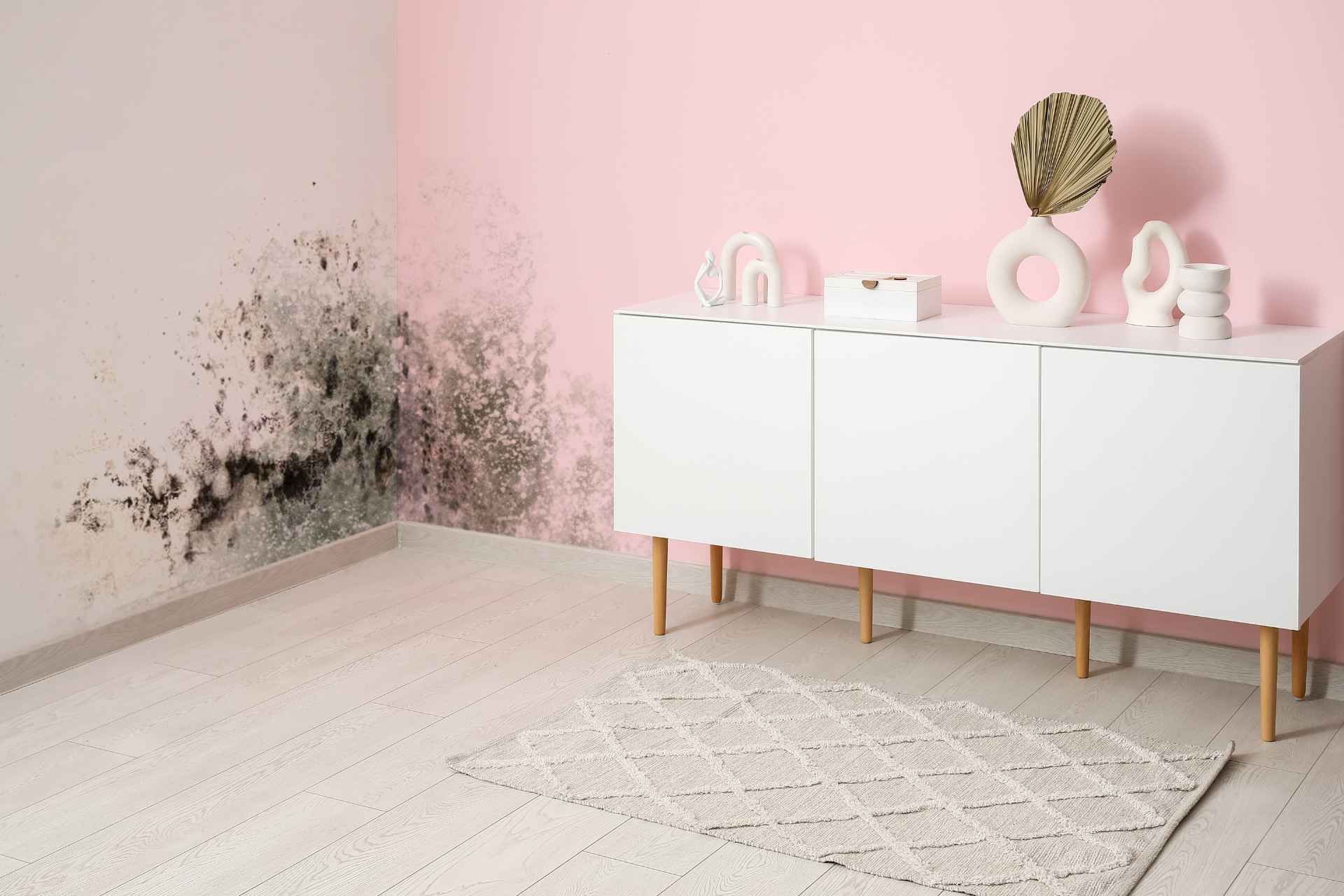
This may seem obvious, but visible mold growth should never be ignored. Mold can appear in various colors and textures, such as black, green, or white fuzzy patches on walls, ceilings, or other surfaces. Pay close attention to areas that have experienced water damage or high humidity levels.
3. Water Damage
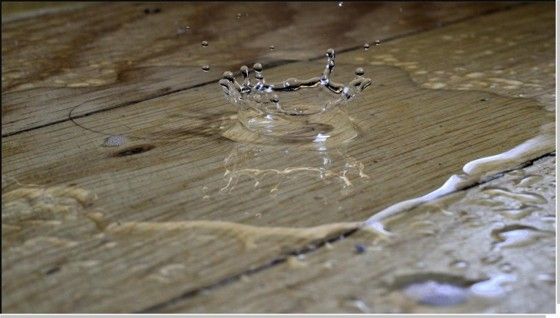
If your home has recently suffered from water damage due to flooding, leaks, or other issues, there's a high probability that mold could be growing in hidden spaces like behind walls or under flooring. Keep an eye out for any discoloration or warping of surfaces as potential signs of mold growth.
4. Allergy Symptoms
Mold spores can trigger allergic reactions in some people, leading to symptoms like sneezing, coughing, itchy eyes, or respiratory issues. If you or your family members experience these symptoms consistently when at home but not elsewhere, mold could be the culprit.
5. Peeling Paint or Wallpaper
Mold growth behind walls can sometimes cause paint or wallpaper to peel or bubble. If you notice these signs, it's essential to investigate further to determine if mold is present.
6. Humidity Levels
Monitoring the humidity levels in your home can help you prevent mold growth before it becomes a visible problem. Keep humidity levels below 60% to discourage mold from thriving.
7. Condensation
Areas with condensation, such as windows or plumbing fixtures, provide the moisture mold needs to grow. Inspect these areas regularly for any signs of mold development.
As a reputable Utah restoration company specializing in water damage, mold removal, and fire damage, Utah Flood Guys is here to help you tackle any mold issues in your home. If you suspect mold growth or have identified any of the signs mentioned above, don't hesitate to reach out to our expert team for a thorough inspection and professional mold remediation services.
Remember, addressing mold problems promptly is crucial for maintaining a healthy living environment for you and your loved ones. By staying vigilant and knowing the signs of mold growth in your home, you can prevent potential health risks and costly damage down the road.
Stay tuned for more insightful tips and advice from Utah Flood Guys, your trusted partner in disaster cleanup and restoration services. Until next time, take care, and keep your home mold-free!
You might also like
Utah Flood Guys Blog