Fire Safety Tips: How to Prevent Fires in Your Home
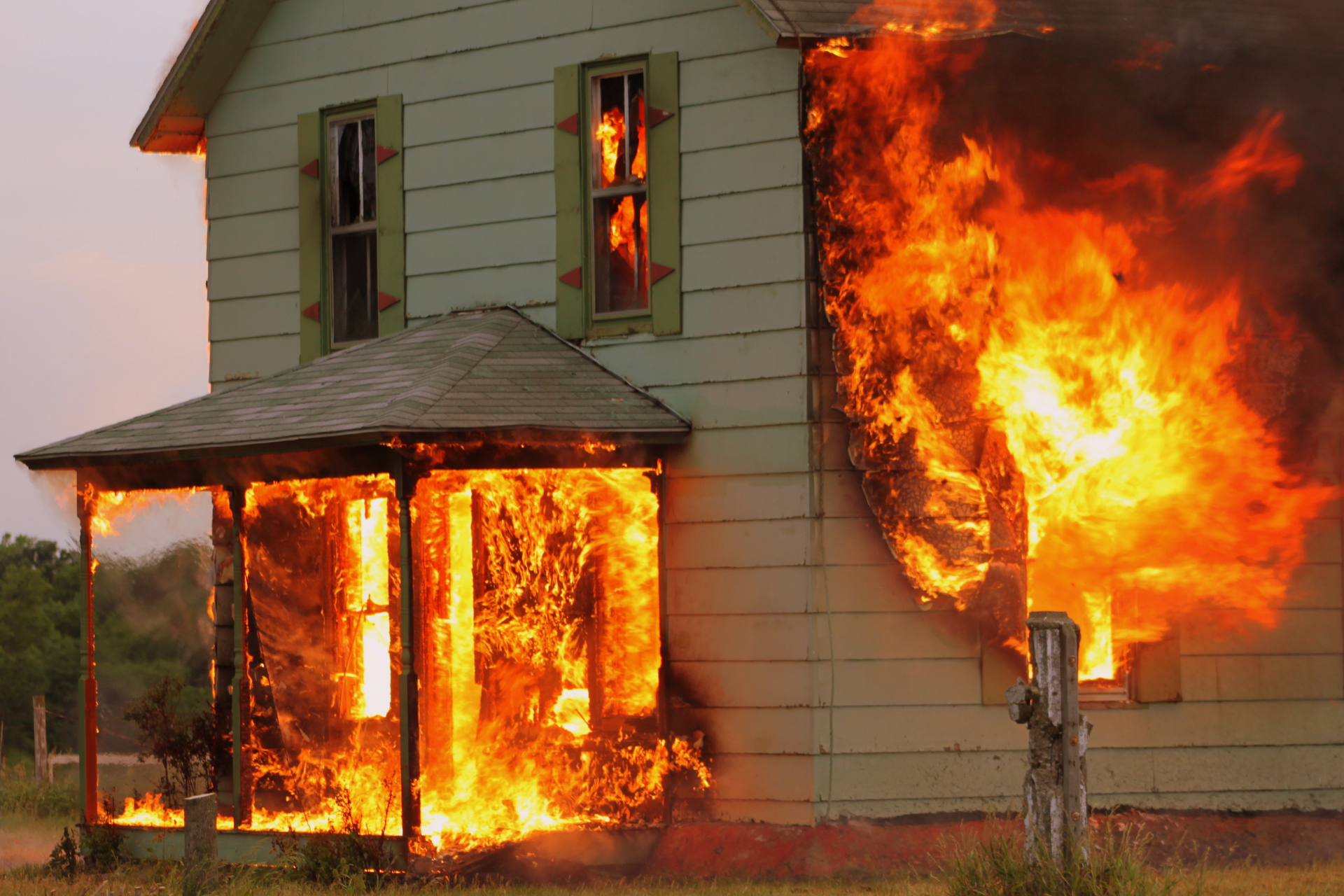
Hey there, welcome back to the Utah Flood Guys blog! Today, we're going to talk about an important topic that is often overlooked - fire safety in your home. Fires can be devastating and cause extensive damage to your property, not to mention the risk they pose to your family's safety. By taking some simple precautions and following these fire safety tips, you can significantly reduce the risk of fires in your home.
1. Install and Maintain Smoke Alarms
One of the most basic but essential fire safety tips is to have smoke alarms in your home. Make sure to install smoke alarms in every room and on every level of your home, including the basement. Test your smoke alarms regularly to ensure they are working properly, and replace the batteries at least once a year.
2. Create a Fire Escape Plan
It's crucial to have a fire escape plan in place so that everyone in your household knows what to do in case of a fire. Make sure to have two escape routes from each room, and designate a meeting spot outside the house where everyone can gather. Practice your fire drill regularly, especially with children, so that everyone knows how to react quickly and safely in an emergency.
3. Keep Flammable Items Away from Heat Sources
Be mindful of where you place items that could easily catch fire, such as curtains, towels, cleaning supplies, and paper products. Keep these flammable items away from heat sources like stoves, heaters, and fireplaces to reduce the risk of accidental fires.
4. Don't Leave Cooking Unattended
Cooking is one of the leading causes of house fires, so it's essential to never leave the kitchen unattended while cooking. Whether you're frying, baking, or grilling, stay in the kitchen and keep an eye on your food. If you need to step away, make sure to turn off the stove or oven.
5. Practice Proper Candle Safety
Candles can create a cozy atmosphere, but they can also be a fire hazard if not handled properly. Keep candles at least 12 inches away from anything that can burn, never leave them unattended, and always extinguish them before leaving the room or going to bed. Consider using flameless LED candles as a safer alternative.
6. Check Electrical Cords and Appliances
Faulty wiring and overloaded circuits can easily lead to electrical fires. Check your electrical cords and appliances regularly for signs of wear and tear, and replace any damaged cords or malfunctioning appliances immediately. Avoid using extension cords for long-term solutions and don't overload outlets.
7. Store Flammable Materials Properly
Gasoline, propane, paint, and other flammable materials should be stored in a well-ventilated area away from heat sources. Keep them tightly sealed in their original containers and never store them near the furnace, water heater, or other hot appliances.
By following these fire safety tips, you can help prevent fires in your home and protect your loved ones and property. However, if a fire does occur, remember that safety comes first. Evacuate the premises immediately, call 911, and contact Utah Flood Guys for professional fire damage restoration services.
Stay safe and prepared, and don't hesitate to reach out to Utah Flood Guys for all your disaster cleanup needs. We're here to help you restore your home back to its pre-loss condition quickly and efficiently. Until next time, take care and stay safe!
You might also like
Utah Flood Guys Blog