How to Identify and Fix Leaks Before They Cause Major Damage
Hey there, folks! It's always great to have you here at Utah Flood Guys, where our top priority is keeping your home or business safe from potential disasters. Today, we're going to talk about a common issue that plagues many property owners: leaks. A leak might seem like a small problem, but if left unchecked, it can lead to significant damage and costly repairs. So, let's dive into how you can identify and fix leaks before they escalate into a major disaster.
1. Watch for Signs of Leaks
The first step in preventing water damage is to be on the lookout for signs of leaks. Water stains on ceilings or walls, musty odors, dripping sounds, or unusually high water bills can all indicate the presence of a hidden leak. Take the time to inspect under sinks, around appliances, and in the basement or attic regularly to catch leaks early.
2. Address Plumbing Issues Promptly
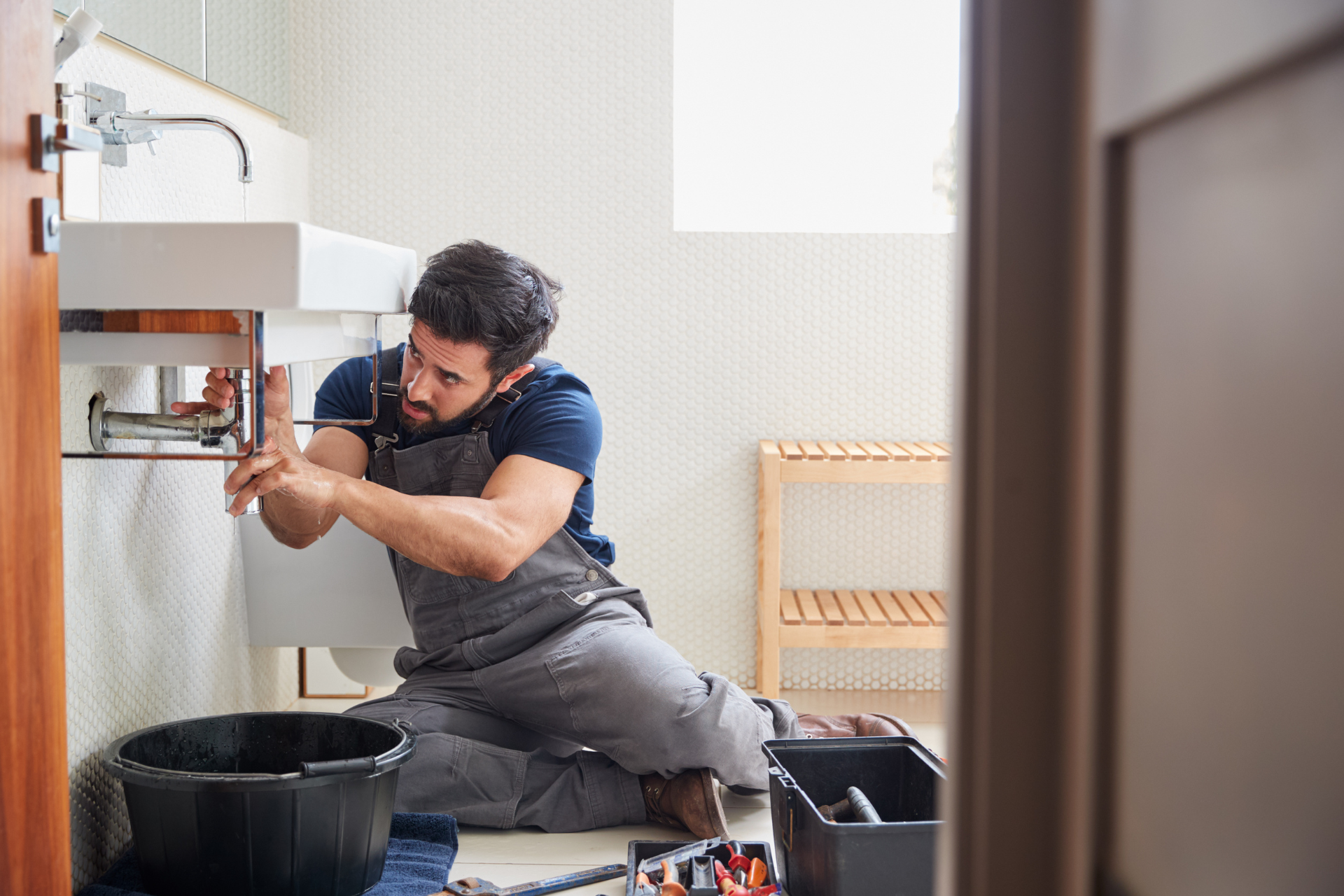
If you notice a leaky faucet, a dripping showerhead, or a running toilet, don't ignore it! Even a small, steady drip can waste gallons of water and potentially cause damage over time. Repairing these minor plumbing issues promptly can save you from dealing with a major water disaster down the line.
3. Check for Water Pooling
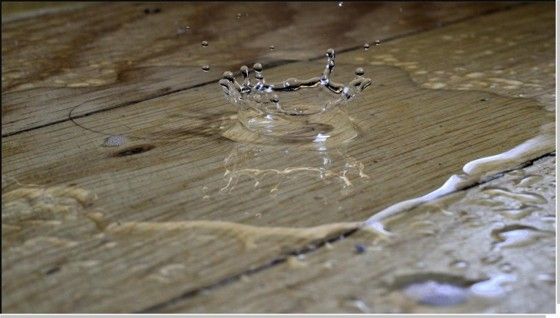
Pooling water in unexpected areas, such as around your water heater, dishwasher, or washing machine, can signal a leak. Keep an eye out for any puddles or damp spots, and investigate the source of the water promptly. Fixing the leak at its source can prevent further damage to your property.
4. Inspect Your Roof Regularly
Roof leaks are a common cause of water damage, especially after heavy rain or snow. Inspecting your roof for missing shingles, damaged flashing, or signs of moisture intrusion can help you catch leaks early on. By maintaining your roof in good condition and addressing any issues promptly, you can prevent water from seeping into your home.
5. Monitor Your Water Bill
A sudden increase in your water bill without a corresponding increase in usage could indicate a hidden leak. Keep track of your water consumption and bills to identify any anomalies. If you suspect a leak but can't locate it, consider hiring a professional to perform a leak detection service.
6. Invest in Leak Detection Technology
For extra peace of mind, consider investing in leak detection technology for your home or business. Smart water sensors, leak detectors, and shut-off valves can help you detect leaks and minimize water damage by shutting off the water supply automatically. These innovative tools can provide an added layer of protection against unforeseen leaks.
7. Seek Professional Help
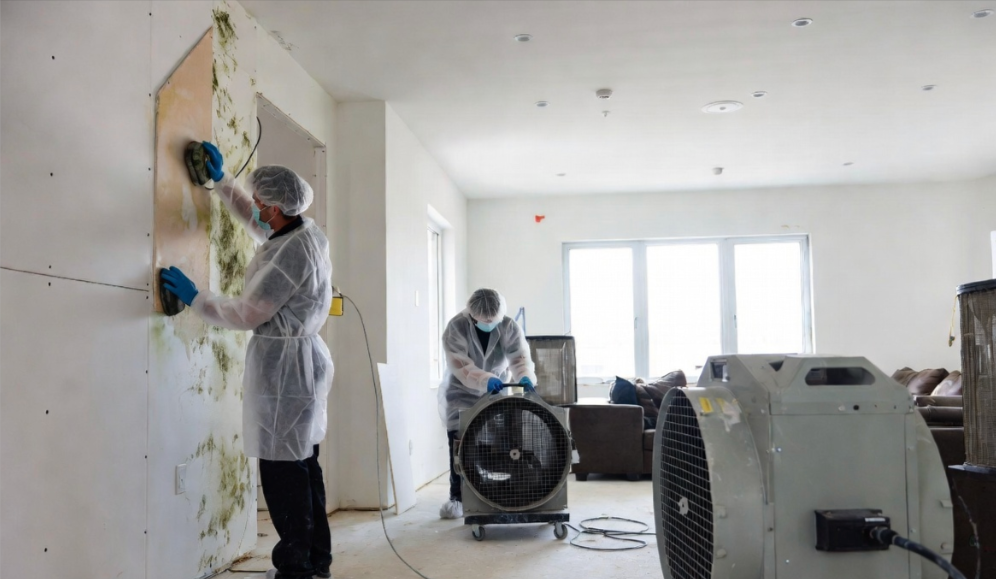
If you discover a leak that you can't handle on your own, don't hesitate to call in the experts. At Utah Flood Guys, our team of experienced professionals is always ready to assist you with leak detection, water damage restoration, mold removal, and more. We have the expertise and resources to tackle any disaster cleanup job efficiently and effectively.
Remember, early detection and prompt action are key to preventing leaks from causing major damage to your property. By staying vigilant, addressing plumbing issues promptly, and seeking professional help when needed, you can protect your home or business from the devastating effects of water damage. We hope you found these tips helpful, and don't hesitate to reach out to Utah Flood Guys for all your disaster cleanup needs. Stay safe and dry, everyone!
Until next time,
The Utah Flood Guys team
You might also like
Utah Flood Guys Blog