How to File a Home Insurance Claim After Water Damage
Water damage can strike when you least expect it, whether it’s from a leaky roof, a busted pipe, or even a catastrophic flood. After the panic settles and you’ve made sure your loved ones and pets are safe, it’s time to turn your attention to the next crucial step: filing a home insurance claim. Luckily, the Utah Flood Guys are here to guide you through the process.
1. Assess the Damage
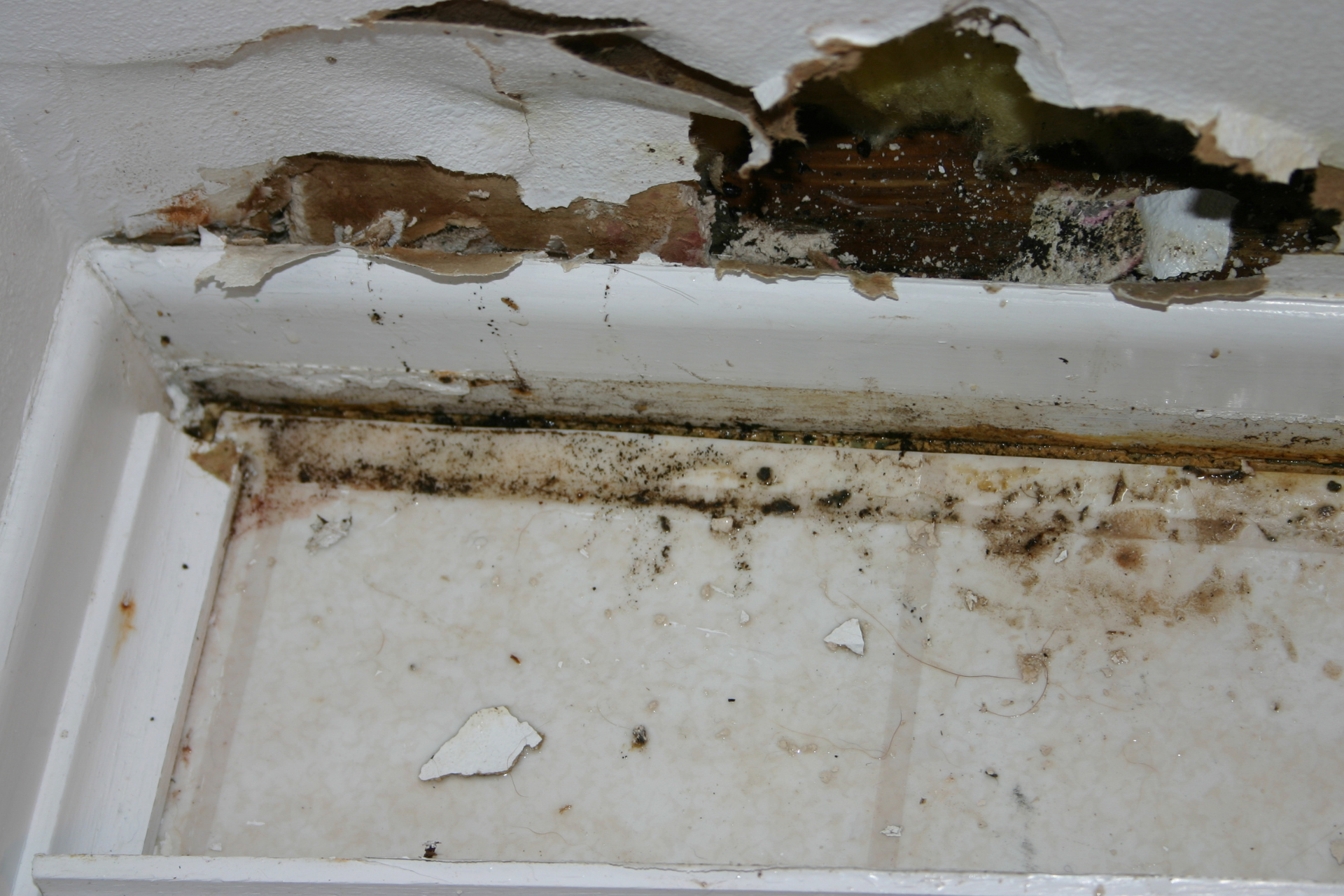
First things first, before you dive into the paperwork, take a moment to assess the damage. This means documenting everything with photographs or videos. Capture the damage to walls, floors, furniture, and any personal belongings. Not only will this evidence be vital for your claim, but it will also help you keep track of everything that needs repair or replacement.
2. Contact Your Insurance Company
Once you’ve documented the situation, it’s time to contact your insurance company. Make sure you have your policy number handy, along with any details about when the damage occurred and the cause. Most insurance companies have a 24-hour helpline for emergencies, so don’t hesitate to call. They’ll assign a claims adjuster to your case and walk you through the next steps.
3. Understand Your Coverage
Every homeowner’s insurance policy is different, so it’s crucial to understand what is covered under yours. Most policies cover sudden and accidental water damage, but they might exclude certain types of flooding or damage from negligence. Reading through your policy documents or chatting with your agent can clarify what’s included. The more informed you are, the better prepared you’ll be when discussing your claim.
4. Mitigate Further Damage
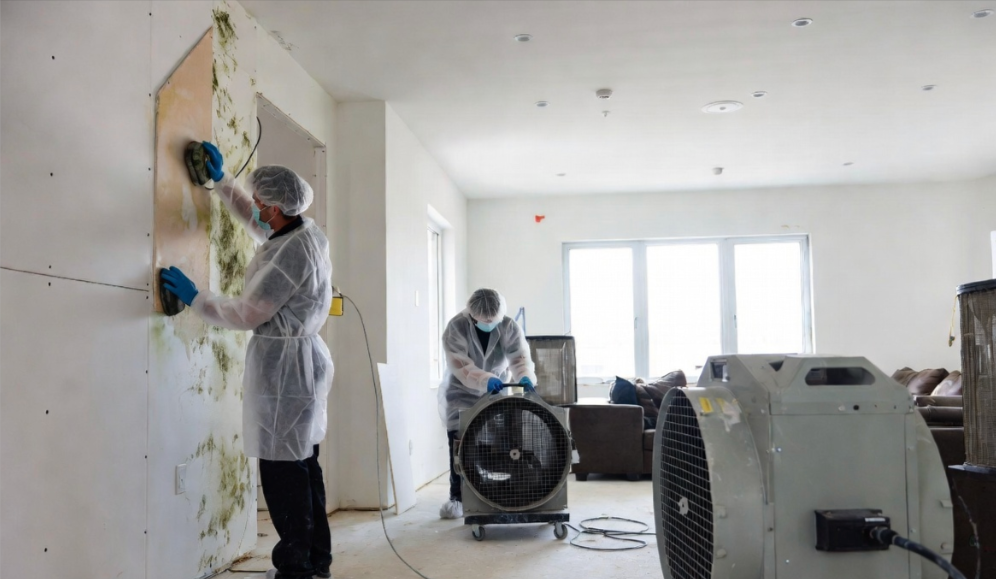
While waiting for the claims adjuster, it's vital to take steps to prevent further damage to your home. This could include removing standing water and using a dehumidifier or fans to dry out the area. Your insurance may cover the costs of these mitigation efforts, so keep receipts and document your actions. Remember, you’re trying to protect your investment!
5. Meet with the Adjuster
When the claims adjuster arrives, be prepared to present all your documentation. This can include your photos, videos, and any receipts related to repairs or mitigation efforts. The adjuster will assess the damage and determine the amount your insurance can cover. Be honest and thorough in your description of events leading up to the water damage.
6. Keep Communication Open
Throughout this process, maintaining open lines of communication with your insurance company is crucial. If you have questions or need updates on your claim, don’t hesitate to reach out. This keeps you informed and helps expedite the process.
7. Get Professional Help
Finally, if it all feels overwhelming, that’s perfectly okay! The Utah Flood Guys specialize in disaster restoration and can work with your insurance company on your behalf. Our team can help restore your home and remove any water damage efficiently. With our experience, we can provide all necessary documentation and ensure that the claims process is as seamless as possible.
In conclusion, filing a home insurance claim after water damage can feel daunting, but with a little organization and the right support, you can navigate it successfully. Take it step by step, and remember that the Utah Flood Guys are here to help you every step of the way! Your home will be restored before you know it.
You might also like
Utah Flood Guys Blog