How Fire Damage Restoration Works: A Step-by-Step Guide
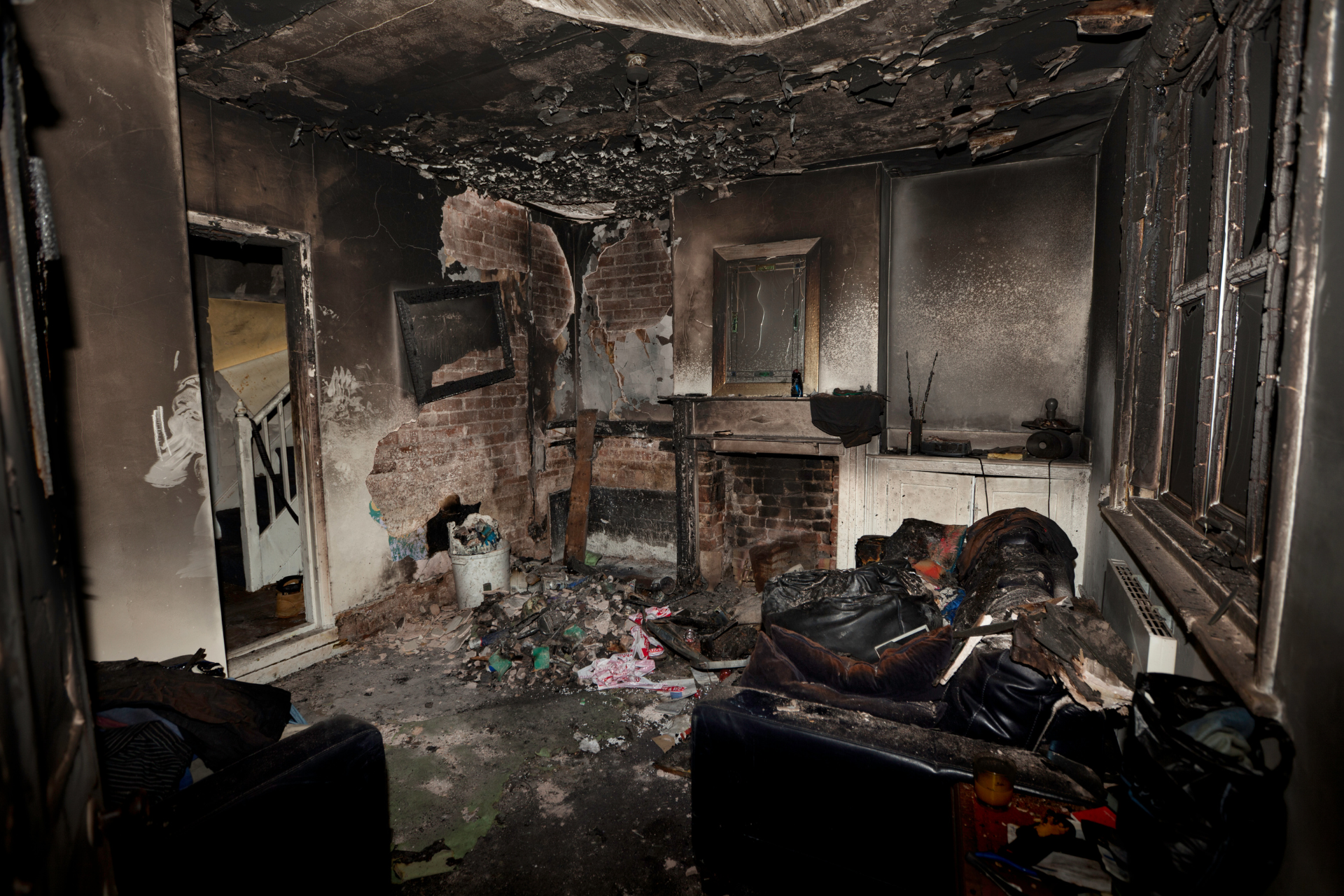
Experiencing a fire in your home or business can be devastating, leaving emotional and physical scars long after the flames have been extinguished. At Utah Flood Guys, we understand the importance of restoring your space to its former glory. That’s why we put together this step-by-step guide to help you understand how fire damage restoration works.
Step 1: Emergency Contact
The first step in the restoration process begins with a simple call to Utah Flood Guys. Our team is available 24/7, ready to respond quickly to your emergency. We’ll ask you a few questions to understand the extent of the damage and send a team your way as soon as possible.
Step 2: Assessment
Once we arrive on-site, our first task is to assess the damage. We’ll check for structural issues, smoke residue, and any hazardous materials that may be present. Understanding the scope of the damage allows us to create a tailored restoration plan. We document everything, so you have a clear record of what needs to be done.
Step 3: Safety Measures
Before the restoration can begin, safety is our top priority. We ensure that the structure is safe to enter and that there’s no risk of flare-ups. This might involve securing electrical systems, removing hazardous materials, or addressing any water damage from firefighting efforts. Our team is trained to take all necessary precautions to keep everyone safe.
Step 4: Removing Debris
Once it’s safe, we’ll start clearing out debris and damaged materials. This step may include removing charred furniture, damaged walls, and any remaining items that cannot be salvaged. Our aim here is to create a clean slate so that we can begin the restoration effectively. We recycle and dispose of materials responsibly whenever possible.
Step 5: Cleaning and Deodorizing
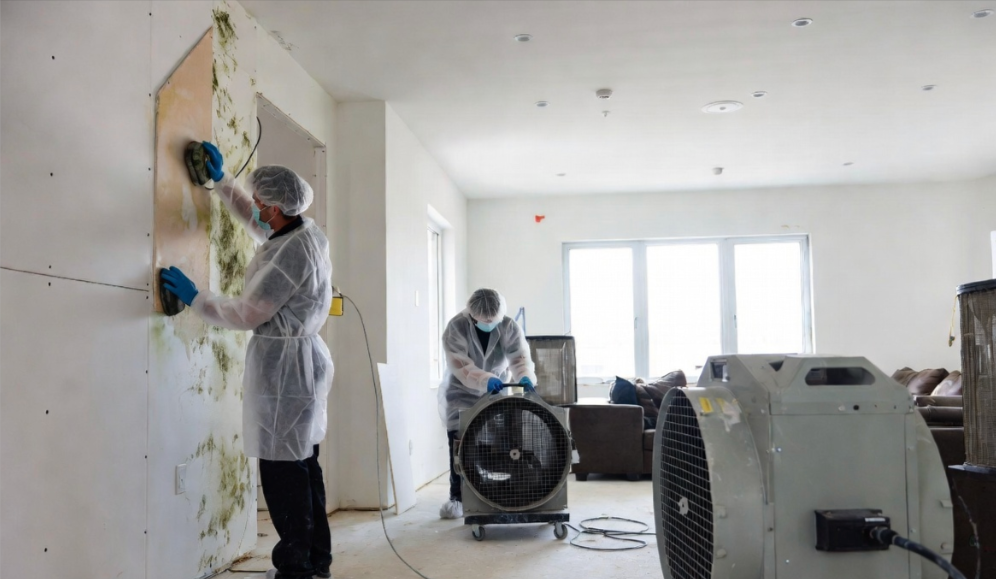
Next comes the thorough cleaning process. Smoke and soot can seep into everything, leaving an unpleasant odor and harmful residues. Our trained technicians use specialized equipment and cleaning solutions to scrub surfaces, sanitize affected areas, and neutralize odors. This part of the process is crucial for ensuring a healthy living or working environment post-restoration.
Step 6: Restoration of Materials
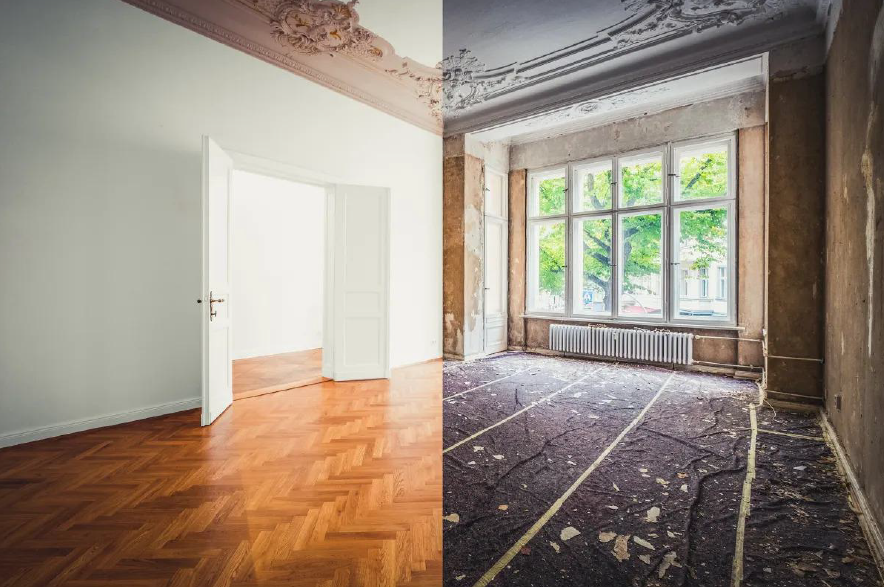
After cleaning, we focus on restoring the structure itself. This might involve repairing walls, ceilings, and floors, or even rebuilding sections of the property that were severely damaged. Whether it’s repainting or replacing materials, our skilled team works diligently to bring your space back to its pre-fire condition.
Step 7: Final Walkthrough and Satisfaction Check
The last step in the restoration process is a final walkthrough with you. We want to ensure you’re completely happy with the work done. We’ll review what was accomplished and ensure that everything meets your expectations. At Utah Flood Guys, your satisfaction is our priority.
Conclusion
Fire damage restoration can seem overwhelming, but with a knowledgeable team like Utah Flood Guys, you’re not in this alone. We’re here to guide you through each step, making the process as smooth as possible. If you find yourself facing the aftermath of a fire, don’t hesitate to reach out. Together, we’ll restore your space and help you move forward toward a brighter future.
You might also like
Utah Flood Guys Blog