Common Myths About Water Damage and Mold Growth Debunked
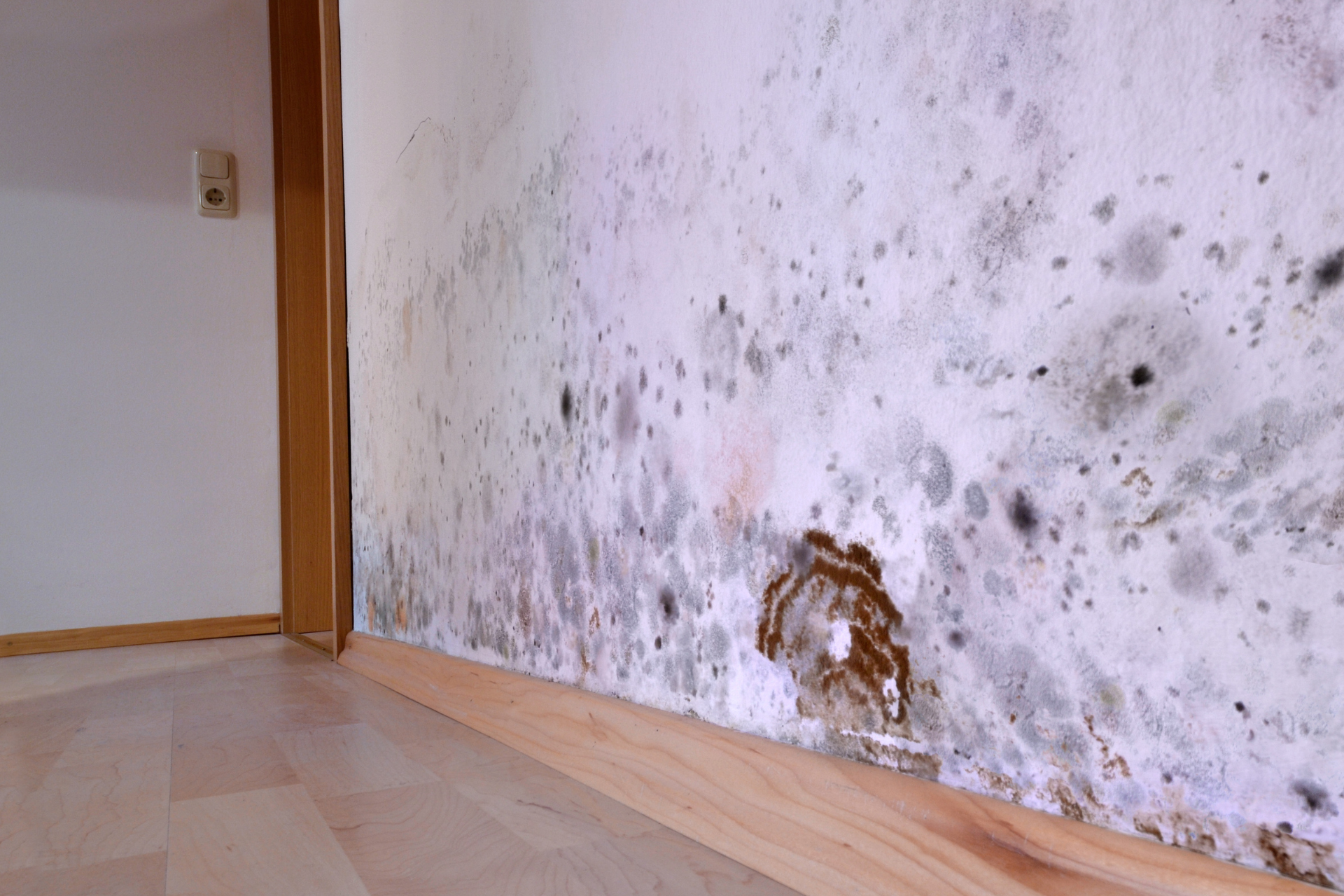
When it comes to water damage and the subsequent mold growth, there’s a lot of misinformation floating around. At Utah Flood Guys, we know that understanding the facts is crucial to protecting your home or business. So, let’s put some of those common myths to rest once and for all.
Myth 1: You Can’t See Mold, So It’s Not There
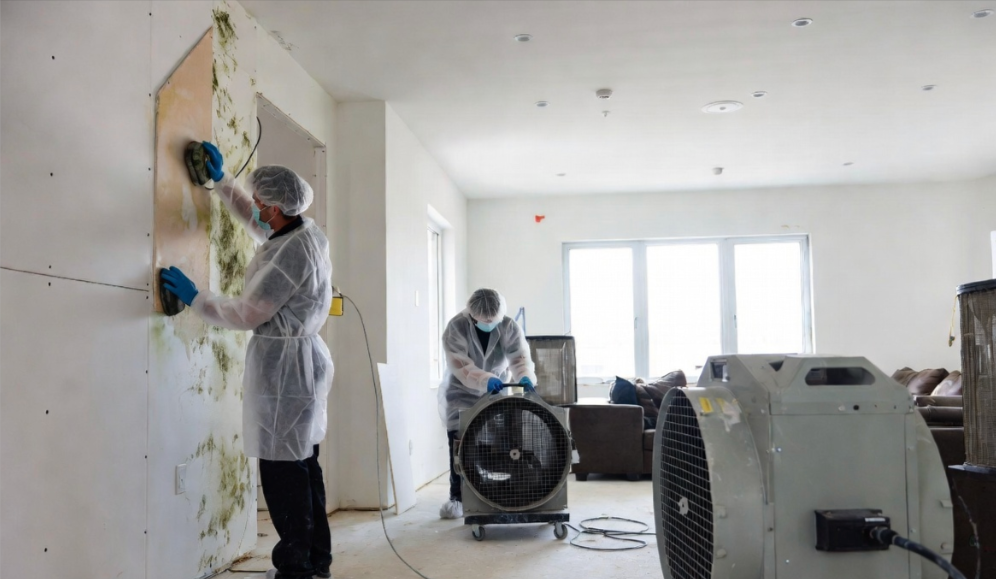
Many people think that if they don’t see visible mold, there’s no problem. Unfortunately, that’s simply not true. Mold thrives in damp, hidden areas like inside walls, under carpets, or in your attic. Just because it’s not visible doesn’t mean it isn’t taking root somewhere in your home. Regular inspections, especially after water damage incidents, are essential. Remember, where there’s moisture, there’s a good chance mold is not far behind!
Myth 2: Bleach Kills All Mold
While bleach can kill surface mold, it doesn’t penetrate porous materials, which means mold that’s deeply embedded will often survive. That’s why a thorough water damage restoration service, like the one offered by Utah Flood Guys, is vital. We don’t just cover up the problem; we address the underlying cause of mold growth to ensure it doesn’t return.
Myth 3: All Mold is Toxic
This is a common misconception that can lead to unnecessary panic. While certain types of mold can produce allergens or toxins, not all molds are harmful. In fact, some molds are harmless and even beneficial in nature. However, the best policy is to err on the side of caution. If you suspect mold growth, it’s smart to have it professionally assessed.
Myth 4: You Can Wait to Address Water Damage
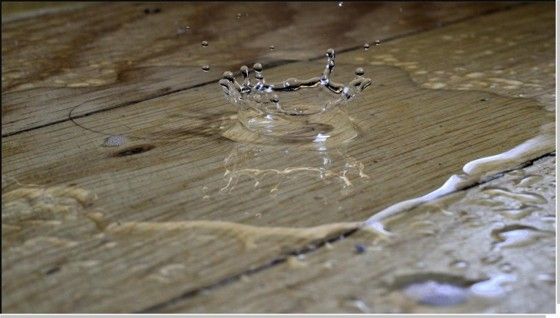
Another prevalent myth is that it’s okay to let water damage sit for a while before dealing with it. Time is not your friend in these situations. Water can quickly lead to mold growth, and delaying cleanup can escalate the damage, making the restoration process longer and more expensive. At Utah Flood Guys, we recommend addressing water damage within 24 to 48 hours to reduce the risk of mold and structural damage.
Myth 5: Air Drying Is Enough
Some believe that simply opening windows and using fans is sufficient to dry out a damp area. While air circulation helps, it’s not always enough to eliminate moisture effectively, especially from porous materials like drywall or insulation. Professional water damage restoration services utilize specialized equipment to remove water and ensure that every nook and cranny is properly dried, decreasing the likelihood of mold growth.
Myth 6: You Can Stop Mold by Spraying It with Chemicals
Spraying chemical solutions on mold might make you feel like you’re tackling the issue, but it’s only a temporary fix. Mold can grow back if its source of moisture isn’t fully addressed. The key is to find and eliminate moisture sources, conduct a full removal of your mold, and take preventive measures for the future.
In conclusion, separating fact from fiction regarding water damage and mold growth is vital for the health and safety of your home. If you suspect you have water damage or mold issues, don’t hesitate to reach out to the experts at Utah Flood Guys. We’re here to provide the restoration services you need — promptly, safely, and effectively. Remember, the best way to combat these issues is with timely action and professional help!
You might also like
Utah Flood Guys Blog