Common Mistakes to Avoid After a Fire in Your Utah Home
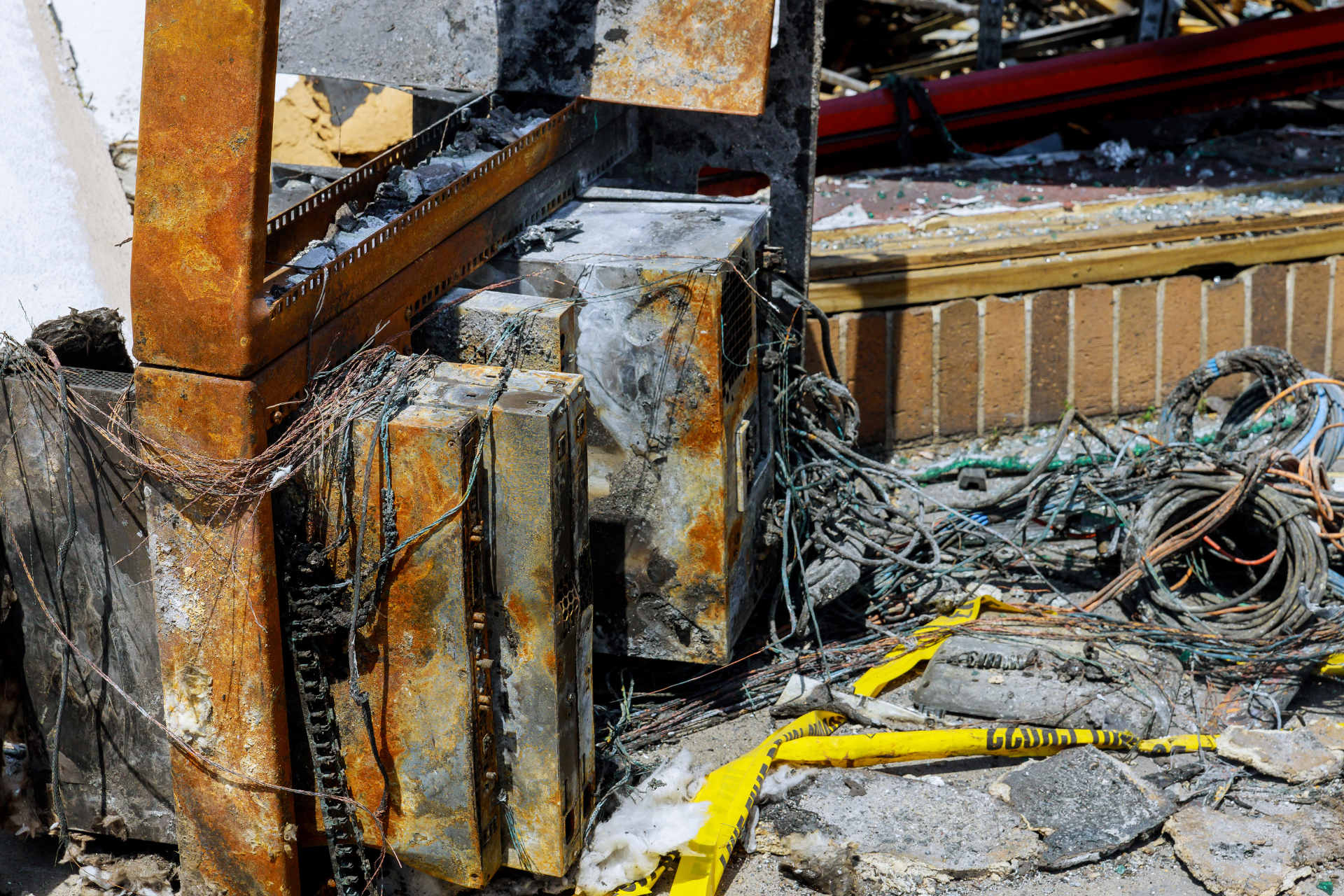
If you've experienced a fire in your Utah home, the aftermath can be overwhelming and emotional. In the midst of dealing with the shock and devastation, it's crucial to avoid common mistakes that can exacerbate the situation. As a trusted restoration company in Utah, the Utah Flood Guys are here to guide you through the crucial steps to take after a fire to ensure a smoother recovery process.
1. Entering the Property Without Professional Assessment
After a fire, it's natural to want to assess the damage and salvage any belongings. However, entering the property without a professional assessment can be dangerous. Structural damage and unstable elements may pose a risk to your safety. Contact your local fire department to ensure the property is safe to enter before attempting to retrieve any items.
2. Delaying Contact with Your Insurance Company
One of the most critical steps after a fire is to contact your insurance company promptly. Delaying this important communication can impede the claims process and potentially lead to issues with coverage. Provide your insurance company with a detailed inventory of the damages and follow their guidelines for documentation to expedite the claims process.
3. Discarding Items Without Proper Evaluation
While it may be tempting to discard items that appear charred or damaged beyond repair, it's essential to consult with professionals before disposing of anything. Items that may seem unsalvageable at first glance could potentially be restored through specialized cleaning and restoration techniques. Work with experienced restoration professionals like the Utah Flood Guys to determine the best course of action for your belongings.
4. Neglecting to Document the Damage
Documenting the damage after a fire is crucial for insurance purposes and future restoration efforts. Take photographs and videos of the affected areas before any cleanup or restoration work begins. Detailed documentation can help support your insurance claim and provide a record of the extent of the damage for restoration professionals to reference.
5. Attempting DIY Cleanup and Restoration
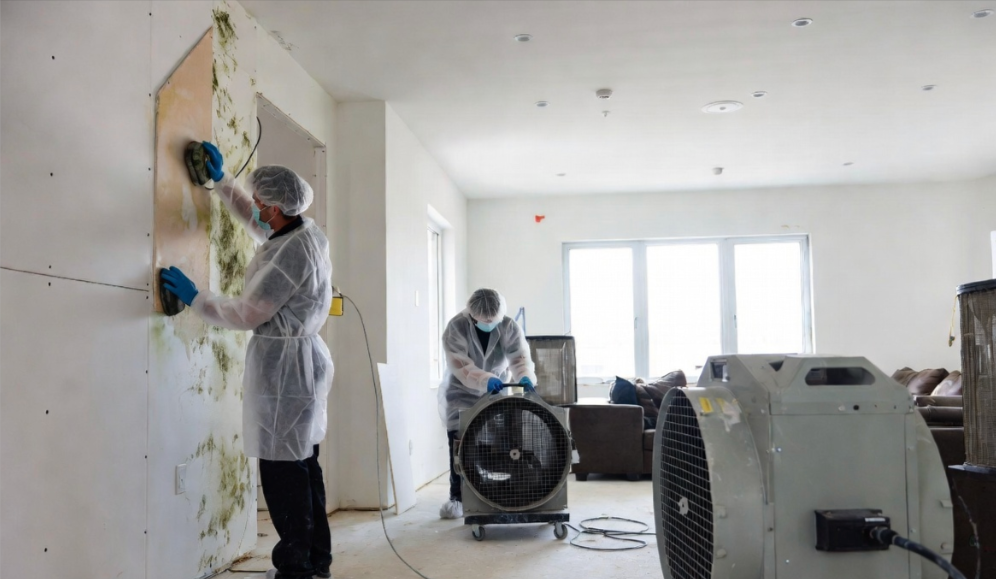
While the urge to start cleaning up after a fire may be strong, attempting a DIY cleanup and restoration can lead to further damage and contamination. Fire damage requires specialized cleaning methods and equipment to ensure thorough removal of soot, smoke, and odors. Trusting experienced professionals like the Utah Flood Guys will ensure a comprehensive and effective restoration process.
6. Overlooking Smoke Damage
Smoke damage can be pervasive and affect areas beyond the immediate fire site. Overlooking smoke damage can result in lingering odors, discoloration, and respiratory issues. Thoroughly assess all areas of your home for smoke damage, including walls, ceilings, and HVAC systems. Professional restoration experts can provide smoke damage cleanup to ensure a safe and clean environment.
7. Failing to Address Water Damage
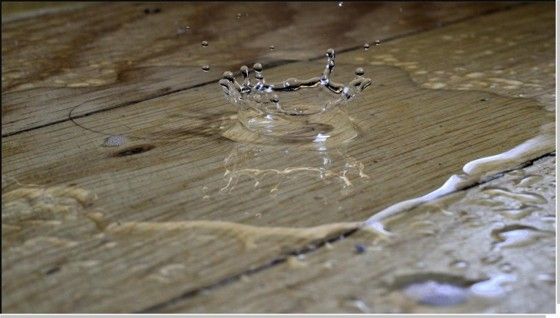
In many cases, firefighting efforts can result in water damage that exacerbates the effects of a fire. Failing to address water damage promptly can lead to mold growth, structural issues, and further destruction. Partner with a restoration company like the Utah Flood Guys that offers comprehensive services for water damage restoration to mitigate the impact of excess moisture.
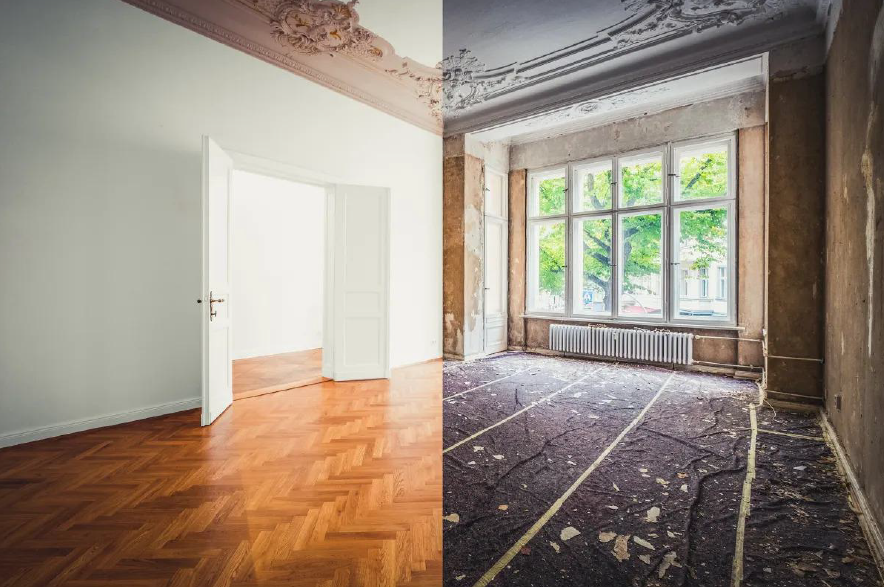
In conclusion, navigating the aftermath of a fire in your Utah home requires a careful and strategic approach. By avoiding common mistakes and entrusting the restoration process to experienced professionals like the Utah Flood Guys, you can expedite recovery efforts and restore your home to its pre-fire condition. Stay proactive, cautious, and informed to ensure a smoother transition during this challenging time.
You might also like
Utah Flood Guys Blog