Utah's Most Common Types of Mold and Their Health Effects
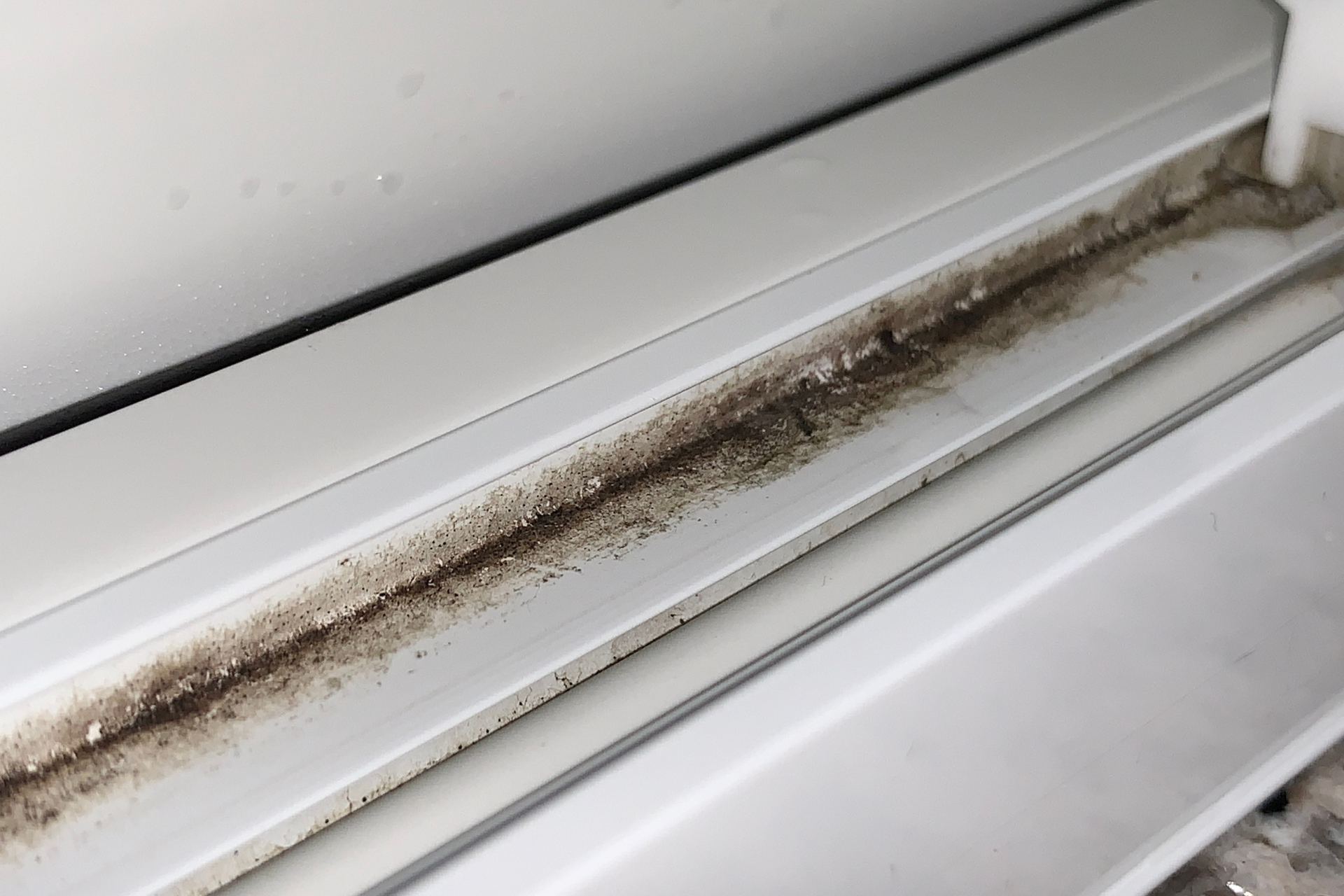
If you live in Utah, you’ve probably heard some spooky stories about mold, especially after a heavy rain or snowmelt. Mold is more than just an unsightly invader; it can affect the health of you and your family. At Utah Flood Guys, we’re here to shed some light on the most common types of mold found in Utah and their potential health effects. So grab a cup of coffee, make yourself comfortable, and let’s dive into this!
1. Aspergillus
Aspergillus is a versatile mold that thrives in a variety of environments. It’s often found in materials like decaying plant matter and dust, making it a frequent visitor in homes and businesses. For the average person, a small exposure might not be concerning. However, individuals with allergies, asthma, or weakened immune systems can experience respiratory issues, sinus infections, and other serious health concerns. If you notice a musty smell or dark spots, it’s essential to take action quickly.
2. Penicillium
You might recognize Penicillium from your science classes, as it’s the mold that led to the discovery of penicillin. It’s common in damp buildings and can grow on various materials, including fabrics and wallpaper. While it plays a crucial role in medicine, exposure can cause allergic reactions, respiratory problems, and even infections in people with compromised immune systems. It’s vital to manage moisture levels in your home to keep this mold at bay!
3. Stachybotrys Chartarum (Black Mold)
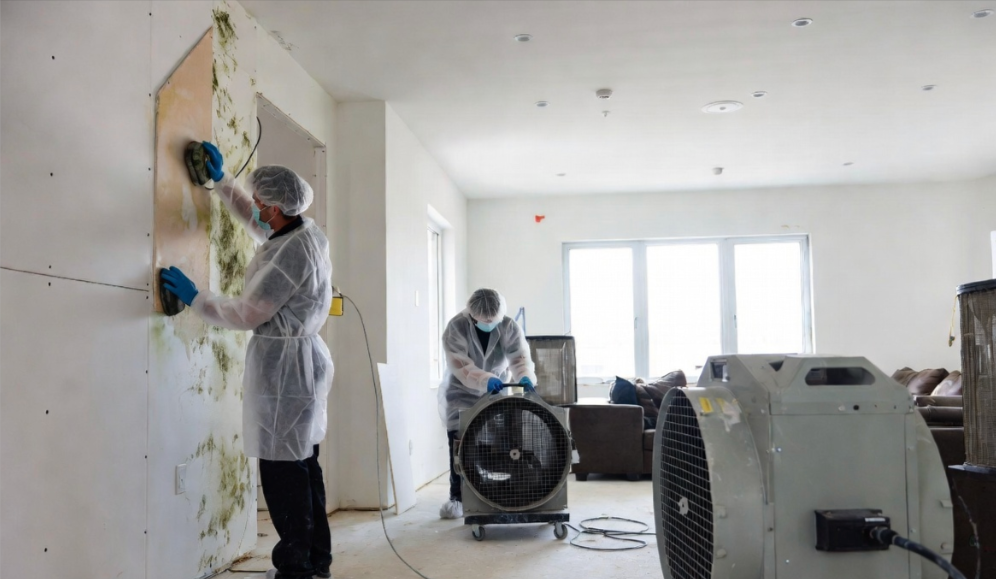
Ah, the infamous black mold! While not every dark mold is black mold, Stachybotrys chartarum is one you definitely want to avoid. This notorious mold tends to flourish in areas with high humidity, like bathrooms or flooded basements. Exposure can lead to serious health issues, including chronic fatigue, respiratory issues, and neurological symptoms. If you suspect black mold in your home or business, it’s critical to call professionals like Utah Flood Guys to assess and remediate the problem.
4. Cladosporium
Found both indoors and outdoors, Cladosporium loves to set up camp in damp, warm areas. Inside, you might find it lurking in carpets, fabrics, or air conditioning units. For most people, it won’t cause massive issues, but those with allergies or asthma may experience nasal congestion or skin irritations. Keeping your home clean and dry will help keep this persistent mold at bay!
5. Alternaria
Often found in outdoor environments, Alternaria can easily hitch a ride into your home through open windows and doors. It prefers dark, damp conditions and is commonly found in bathrooms and kitchens. While exposure typically causes respiratory problems and allergies, it can be more problematic for individuals with existing health issues. Clean and ventilate your spaces regularly to minimize this mold's chances of moving in!
Conclusion
Mold can be a silent problem that grows right under your nose, especially in Utah, where weather changes can create the perfect environment for these fungi. If you suspect mold in your home or business, trust Utah Flood Guys to help with thorough mold removal and restoration. We’re here to ensure your space remains safe and healthy for you and your loved ones.
Remember, prevention is always better than cure! Keep your spaces dry, ventilated, and check for leaks regularly. Stay safe out there!
You might also like
Utah Flood Guys Blog