Understanding Water Damage: Types, Causes, and Prevention
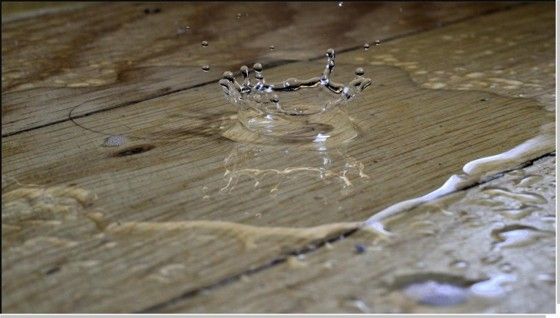
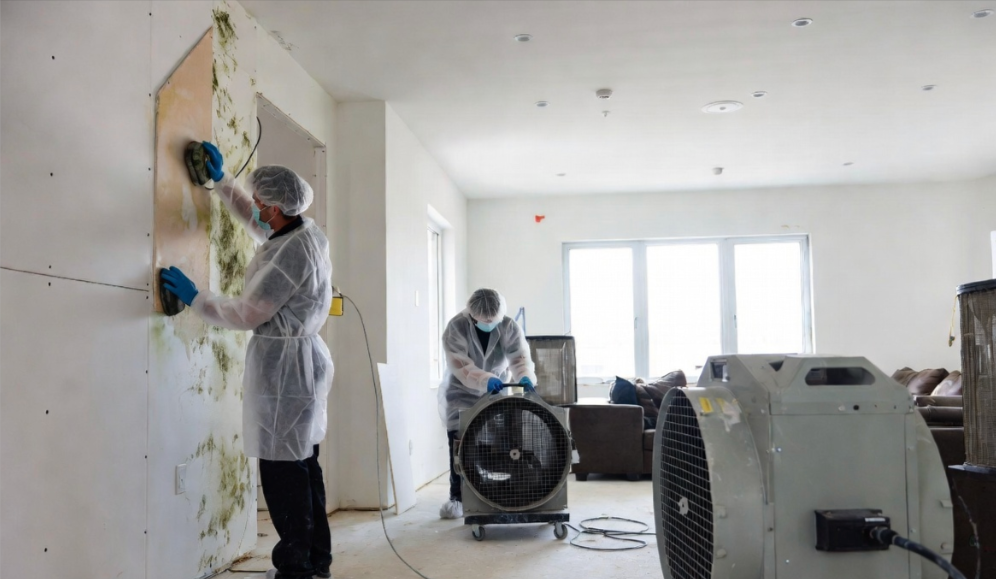
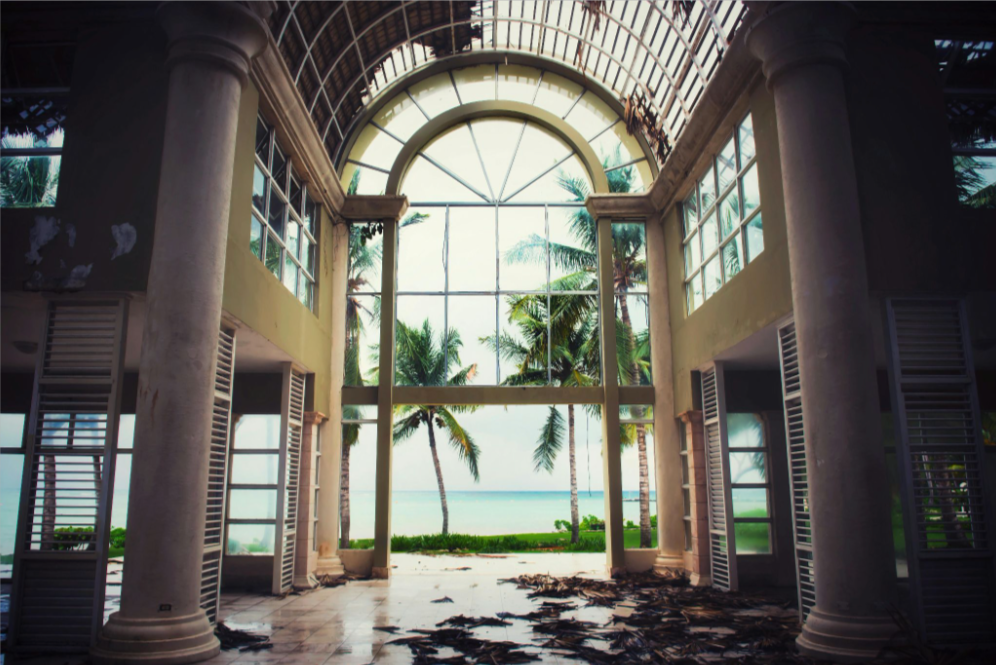
Water damage can be a devastating and costly issue for homeowners and business owners alike. Whether it's a burst pipe, a leaky roof, or a natural disaster, water damage can wreak havoc on your property if not addressed promptly and effectively. At Utah Flood Guys, we understand the importance of quick and thorough water damage restoration, which is why we offer expert services for residential and commercial properties in Utah. In this blog post, we'll explore the types, causes, and prevention of water damage to help you better protect your property.
Types of Water Damage
Water damage can be categorized into different types based on the source of the water and the level of contamination. The three main types of water damage are:
1. Clean Water Damage
This type of water damage is caused by water from a clean source, such as a broken pipe, a leaking appliance, or rainwater. Clean water damage is the least hazardous type of water damage and poses no immediate health risks.
2. Gray Water Damage
Gray water damage is caused by water that is contaminated and may contain chemicals, bacteria, or other contaminants. This type of water damage can be harmful if consumed or inhaled and typically results from sources like washing machines, dishwashers, or sump pump failures.
3. Black Water Damage
Black water damage is the most severe type of water damage and is caused by sewage backups, floodwaters, or contaminated groundwater. Black water contains pathogens, toxins, and other harmful substances that can pose serious health risks to occupants of the property.
Causes of Water Damage
Water damage can occur for a variety of reasons, both sudden and gradual. Some common causes of water damage include:
1. Plumbing Issues
Burst pipes, leaking fixtures, and faulty plumbing systems can lead to water damage if not promptly repaired.
2. Weather Events
Heavy rain, snowmelt, hurricanes, and other weather events can cause flooding and water intrusion in homes and buildings.
3. Appliance Failures
Malfunctioning appliances like water heaters, washing machines, and dishwashers can leak or overflow, causing water damage.
4. Roof Leaks
Damaged or poorly maintained roofs can allow water to seep into the building, leading to water damage over time.
Preventing Water Damage
Prevention is key when it comes to water damage, as taking proactive measures can help avoid costly repairs and restoration efforts. Here are some tips to help prevent water damage:
1. Regular Maintenance
Perform regular inspections of your plumbing system, appliances, and roof to check for leaks, cracks, or other issues that could lead to water damage.
2. Proper Drainage
Ensure that your property's drainage system is in good working condition to prevent water from pooling around the foundation of your home or building.
3. Monitor Humidity Levels
Use a dehumidifier to maintain optimal indoor humidity levels and prevent mold growth and water damage.
4. Emergency Preparedness
Have a plan in place for dealing with water damage emergencies, such as knowing how to shut off the water supply in case of a burst pipe.
At Utah Flood Guys, we are dedicated to providing fast and reliable water damage restoration services to help you recover from water damage quickly and efficiently. If you experience water damage in your home or business, don't hesitate to contact us for expert assistance. Remember, when it comes to water damage, quick action is crucial to minimizing the damage and preventing further issues. Stay informed, stay prepared, and let Utah Flood Guys be your trusted partner in water damage restoration.
You might also like
Utah Flood Guys Blog