
Top Causes of House Fires and How to Prevent Them
Every year, thousands of families experience the devastating effects of house fires. Not only can a fire lead to significant property damage, but it can also pose serious risks to the health and safety of everyone in your home. At Utah Flood Guys, we believe that knowledge is power. By understanding the leading causes of house fires and how to prevent them, you can safeguard your home and loved ones from disaster.
1. Cooking-related Fires
It’s no surprise that cooking is one of the top causes of house fires. Whether it’s leaving a pan on the stove unattended or forgetting about a dish in the oven, kitchen mishaps can quickly turn dangerous.
Prevention Tips
- Never leave cooking food unattended, especially if you’re using oils or high heat.
- Keep flammable items, like dish towels and paper, away from the stovetop.
- Install a smoke detector in or near the kitchen, and make sure to test it monthly to ensure it’s working properly.
2. Heating Equipment
As the winter chill sets in, many homeowners crank up their heating devices. Portable heaters can be especially risky if they’re placed too close to furniture or curtains.
Prevention Tips
- Keep heaters at least three feet away from anything flammable.
- Always turn off portable heaters when you leave a room or go to bed.
- Have your heating system serviced annually to ensure it’s functioning safely.
3. Electrical Malfunctions
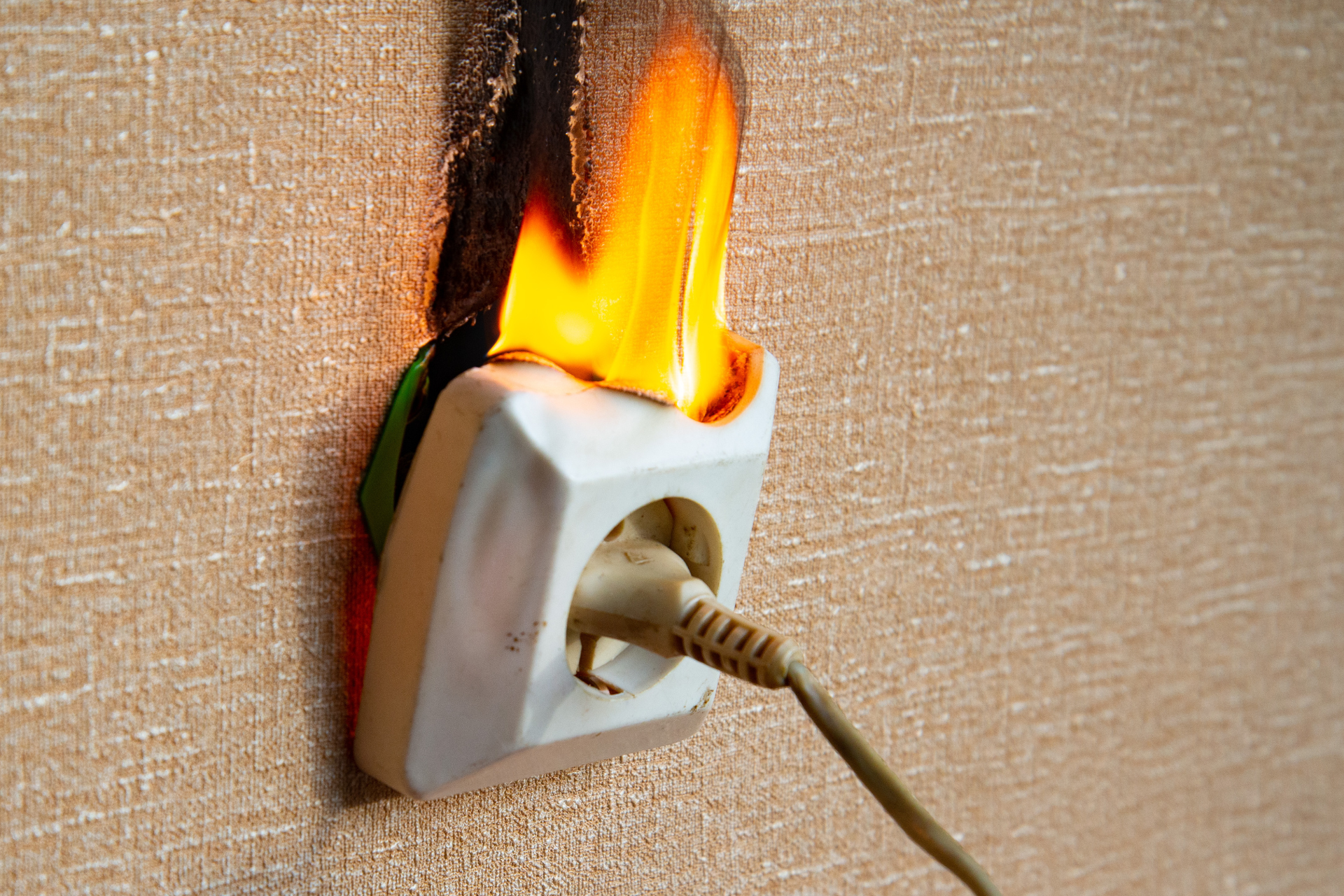
Faulty wiring, overloaded circuits, and outdated appliances can all lead to electrical fires. Unlike other causes, these fires can ignite without any visible warning signs.
Prevention Tips
- Inspect your home’s wiring, especially in older homes. Look for any frayed or exposed wires.
- Don’t overload outlets; plug only one high-wattage appliance into each outlet.
- Consider using surge protectors to safeguard your electronics.
4. Smoking Materials
Cigarettes, matches, and lighters are common culprits in house fires, particularly when improperly discarded or left unattended. A small ember can quickly ignite a material nearby, leading to widespread damage.
Prevention Tips
- If you smoke, always use a sturdy ashtray and never discard smoking materials in a trash can indoors.
- Make sure to fully extinguish-cigarettes before leaving the area.
5. Candles
Candles create a lovely ambiance, but they can easily cause fires if left unattended. Statistics show that nearly 3,000 home fires are caused by candles each year.
Prevention Tips
- Always blow out candles before leaving a room or going to sleep.
- Use flameless candles as a safer alternative.
6. Flammable Liquids
Many households have flammable liquids such as gasoline, paint thinners, and solvents. If these are stored carelessly, they can easily ignite.
Prevention Tips
- Store flammable materials in approved containers and keep them in a cool, well-ventilated area away from heat sources.
- Dispose of any unused or expired chemicals properly.
By being aware of these common fire hazards and taking the necessary precautions, you can significantly reduce your risk of a house fire. However, should the unthinkable happen, Utah Flood Guys is here to assist you. Our team specializes in fire damage restoration, ensuring that your home returns to its pre-disaster condition quickly and efficiently. Remember, prevention is key, but having a plan in place can provide peace of mind as well. Stay safe out there!
You might also like
Utah Flood Guys Blog