Top 5 Signs Your Home Has Mold and How to Handle It
Do you smell a musty odor in your home? Have you noticed strange black spots on your walls or ceilings? If so, your home might have a mold problem. Mold can be a serious issue that not only damages your property but also poses health risks to you and your family. In this blog post, we'll discuss the top 5 signs that your home has mold and provide you with tips on how to handle it.
1. Musty Odor
One of the most common signs of mold in a home is a musty odor. If you detect a persistent, earthy smell in your house, especially in areas that are damp or have poor ventilation, it could indicate the presence of mold. Mold produces volatile organic compounds that give off a musty smell. If you notice this odor, it's essential to inspect your home for mold growth.
2. Visible Mold Growth
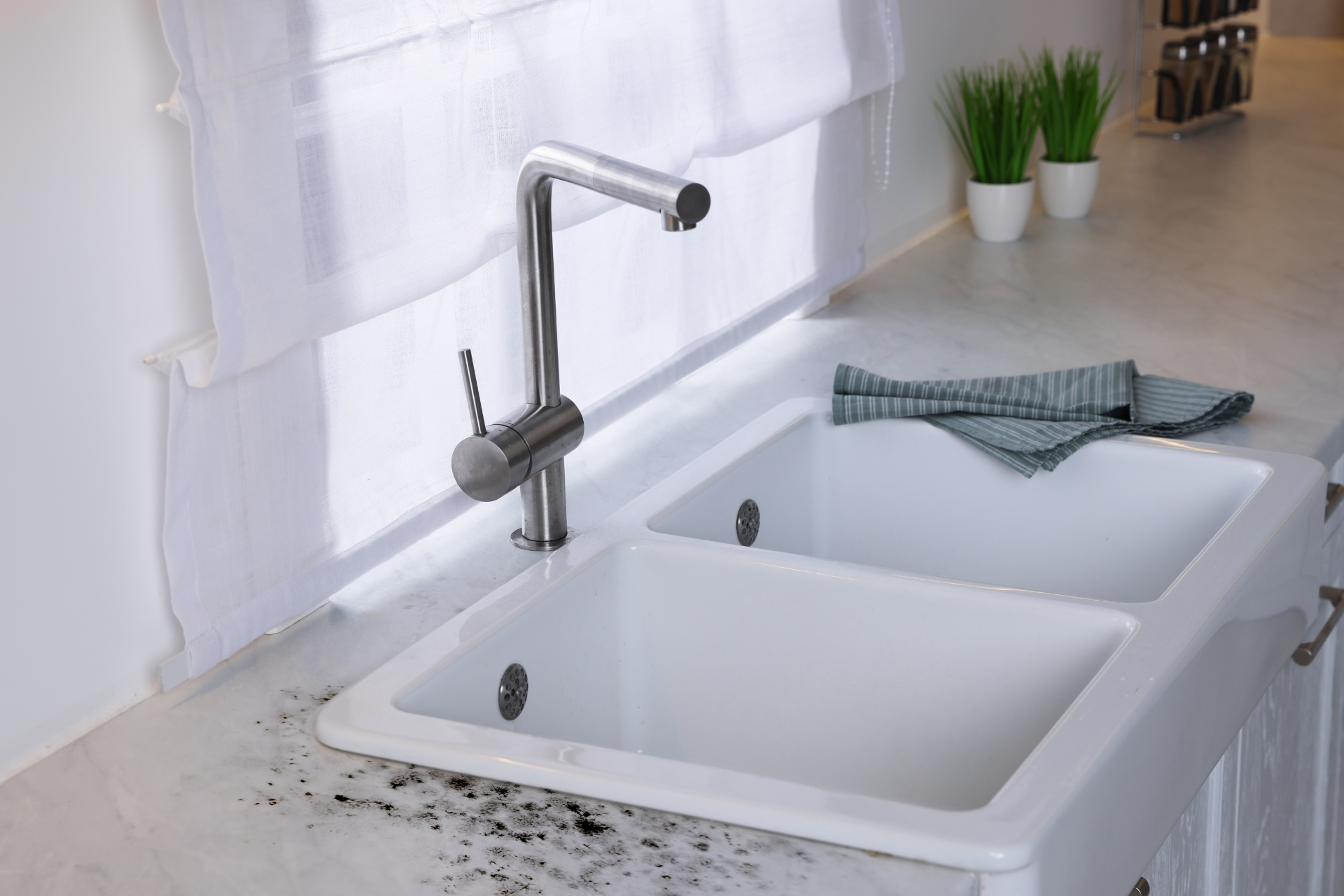
Visible mold growth is another clear sign that your home has a mold problem. Mold can appear in various forms and colors, such as black, green, or white spots on walls, ceilings, or other surfaces. If you spot mold growth, especially in areas prone to moisture, like bathrooms, kitchens, or basements, it's vital to address the issue promptly to prevent further proliferation.
3. Water Damage
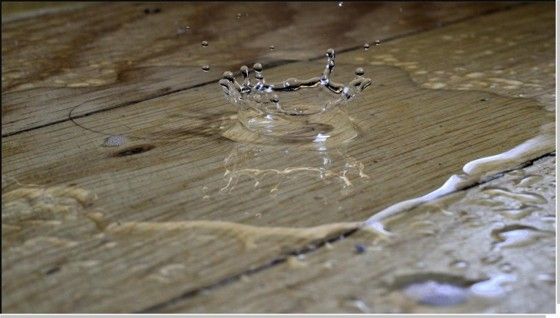
Water damage, whether from leaks, floods, or plumbing issues, can create a conducive environment for mold growth. If your home has experienced water damage recently, there's a high likelihood that mold has started to develop. Inspect areas that were affected by water damage, such as walls, floors, and ceilings, for signs of mold growth. Proper drying and remediation are essential to prevent mold from spreading.
4. Health Symptoms
Mold exposure can lead to a range of health symptoms, including respiratory issues, allergies, skin irritation, and other health problems. If you or your family members experience unexplained health issues like coughing, sneezing, headaches, or congestion that improve when you leave the house, mold may be the culprit. Consult a professional to inspect your home and determine if mold is the cause of your health symptoms.
5. Humidity and Condensation
High humidity levels and condensation are favorable conditions for mold growth. If your home has poor ventilation, moisture can accumulate on surfaces like windows, walls, and ceilings, promoting mold development. To prevent mold growth, it's crucial to maintain proper ventilation, use dehumidifiers, and address any sources of excess moisture in your home.
How to Handle Mold in Your Home
If you suspect that your home has a mold problem based on the signs mentioned above, it's essential to take action promptly. Here are some steps to handle mold in your home:
1. Contact a Professional
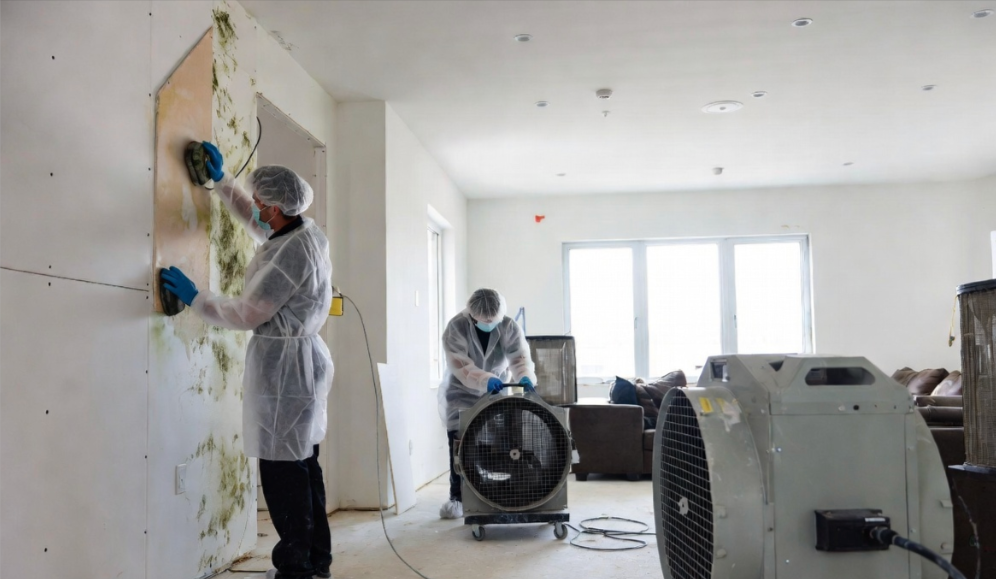
Consider reaching out to a reputable restoration company like Utah Flood Guys for mold inspection and remediation services. Professionals have the expertise, equipment, and experience to identify and eliminate mold effectively.
2. Identify the Source
Determine the source of moisture that is fueling mold growth in your home. Fix any leaks, repair water-damaged areas, and improve ventilation to prevent mold from coming back.
3. Remove Mold Safely
If you plan to tackle mold on your own, wear protective gear such as gloves, goggles, and a mask. Use appropriate cleaning solutions or hire professionals to safely remove mold from your home.
4. Prevent Future Mold Growth
Take proactive measures to prevent mold from returning by controlling humidity levels, fixing leaks promptly, and keeping your home well-ventilated. Regular maintenance and inspections can help you detect mold issues early.
In conclusion, mold is a common issue that many homeowners face, but it's essential to address it promptly to protect your property and your health. By recognizing the signs of mold in your home and taking proactive steps to handle it, you can create a safe and healthy living environment for you and your family. If you need professional assistance with mold remediation, contact Utah Flood Guys for reliable and effective restoration services. Stay proactive, stay safe, and keep your home mold-free.
You might also like
Utah Flood Guys Blog