Top 5 Myths About Mold and Mold Removal
Hey there, folks! So you've found some mold in your home or office, and now you're panicking, right? Before you start diving headfirst into questionable DIY methods or hiring the first mold removal company you come across, let's debunk some common myths about mold and mold removal. As the Utah Flood Guys, your trusted restoration company, we're here to set the record straight and provide you with accurate information to help you make informed decisions in dealing with mold issues.
Myth 1: Mold is Harmless
One of the biggest misconceptions about mold is that it's harmless and can be ignored. The truth is, mold spores can cause a range of health issues, including allergies, respiratory problems, and even more serious conditions in individuals with weakened immune systems. If left untreated, mold can spread rapidly and affect the air quality in your indoor spaces, leading to potential health risks for you and your loved ones.
Myth 2: Bleach Kills Mold Completely
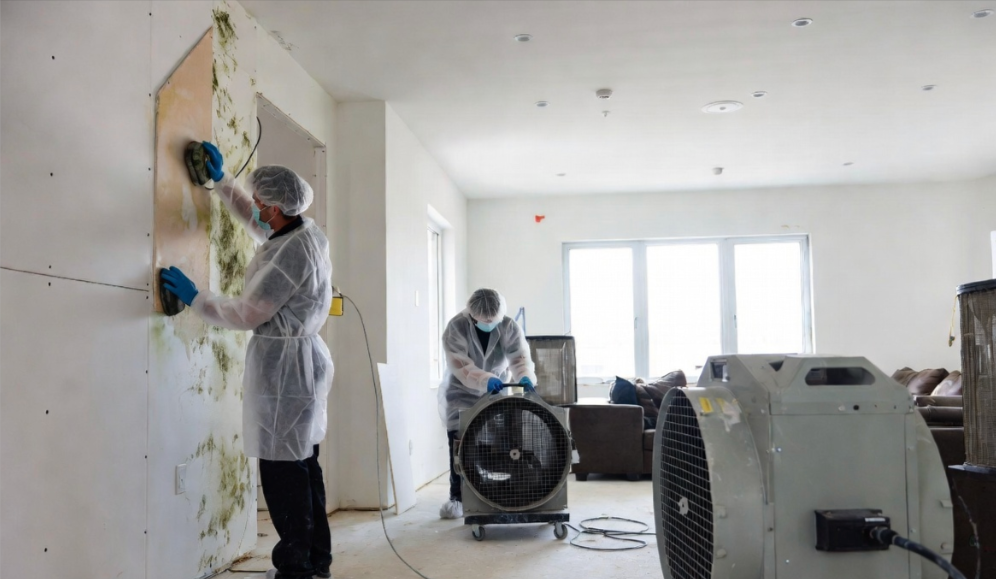
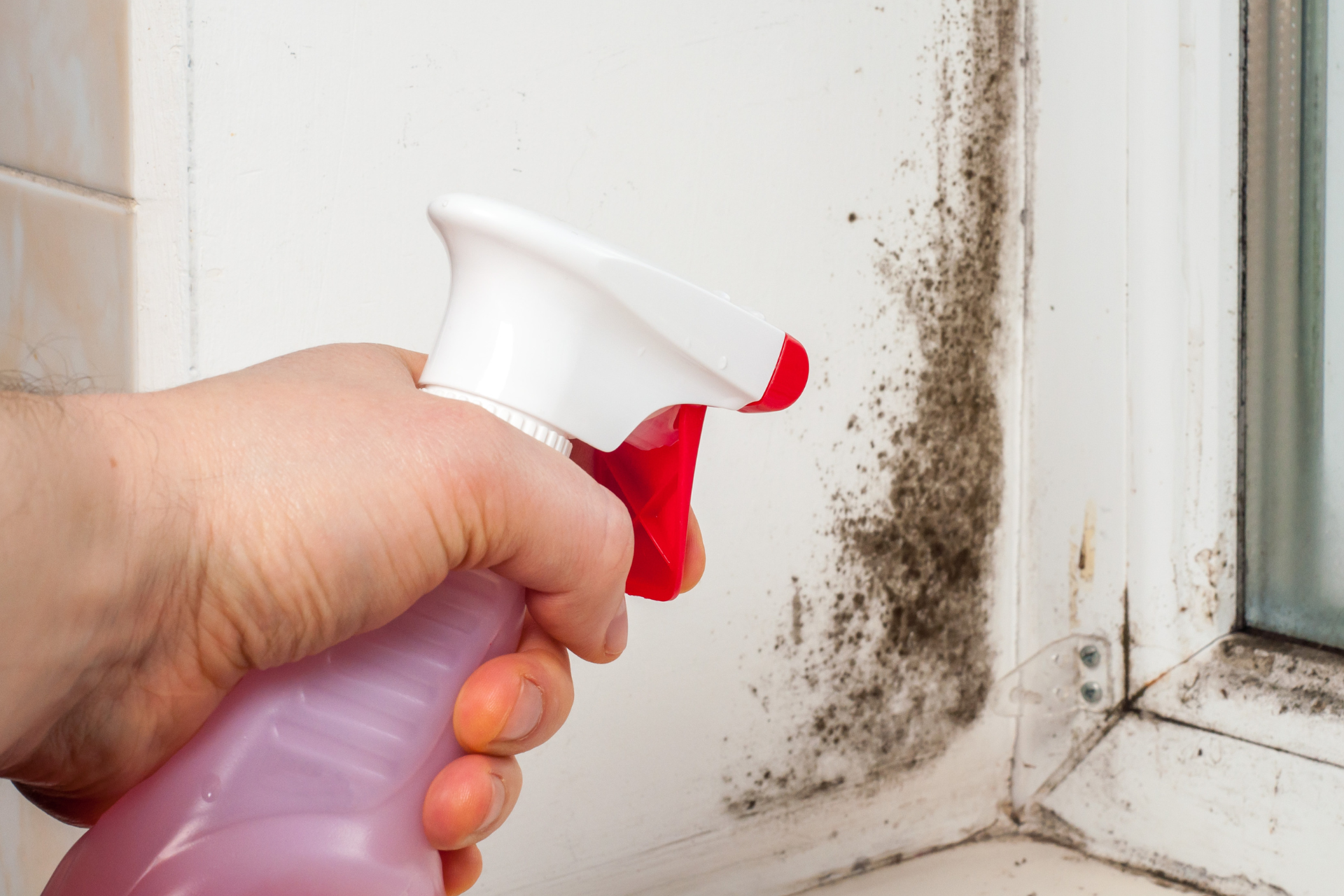
Sure, bleach can help remove surface mold stains, but it doesn't completely get rid of mold spores. These microscopic organisms can remain hidden within porous surfaces like drywall or wood, making it challenging to eliminate them with bleach alone. Professional mold removal services, such as those offered by Utah Flood Guys, utilize specialized equipment and techniques to effectively locate and eradicate mold at its source.
Myth 3: Mold Remediation is Easy to DIY
Many people believe that mold removal is a simple task that they can handle on their own. While there are DIY mold removal kits available on the market, they often provide temporary solutions and may not address the underlying cause of the mold growth. Without proper training and equipment, attempting to remove mold yourself can result in incomplete removal, leading to recurring mold issues in the future.
Myth 4: Mold Only Grows in Wet Environments
While it's true that mold thrives in damp and humid conditions, it can also grow in dry spaces if the right conditions are present. Mold can feed on organic materials such as wood, paper, and fabric, making any environment susceptible to mold growth if there is a source of moisture. Proper ventilation, moisture control, and timely remediation are key in preventing mold from taking hold in your home or business.
Myth 5: Mold Removal is Expensive
When faced with mold contamination, some property owners delay seeking professional help due to the misconception that mold removal is prohibitively expensive. In reality, the cost of mold remediation services varies depending on the extent of the mold infestation and the size of the affected area. At Utah Flood Guys, we provide transparent pricing and work with your insurance company to ensure that you receive the necessary services without breaking the bank.
In conclusion, it's essential to separate fact from fiction when it comes to mold and mold removal. By understanding the truths behind these common myths, you can take proactive steps to address mold issues effectively and safeguard your indoor spaces. Remember, when it comes to mold remediation, trust the experts at Utah Flood Guys to provide you with reliable, efficient, and affordable services tailored to your specific needs. Don't let mold myths stand in the way of a clean and healthy living or working environment!
If you need professional mold removal services in Utah, contact Utah Flood Guys today for a free consultation and assessment. Stay informed, stay safe, and let us help you restore your property to its clean and mold-free state!
You might also like
Utah Flood Guys Blog