Top 10 Causes of Flooding in Utah Homes and How to Prevent Them
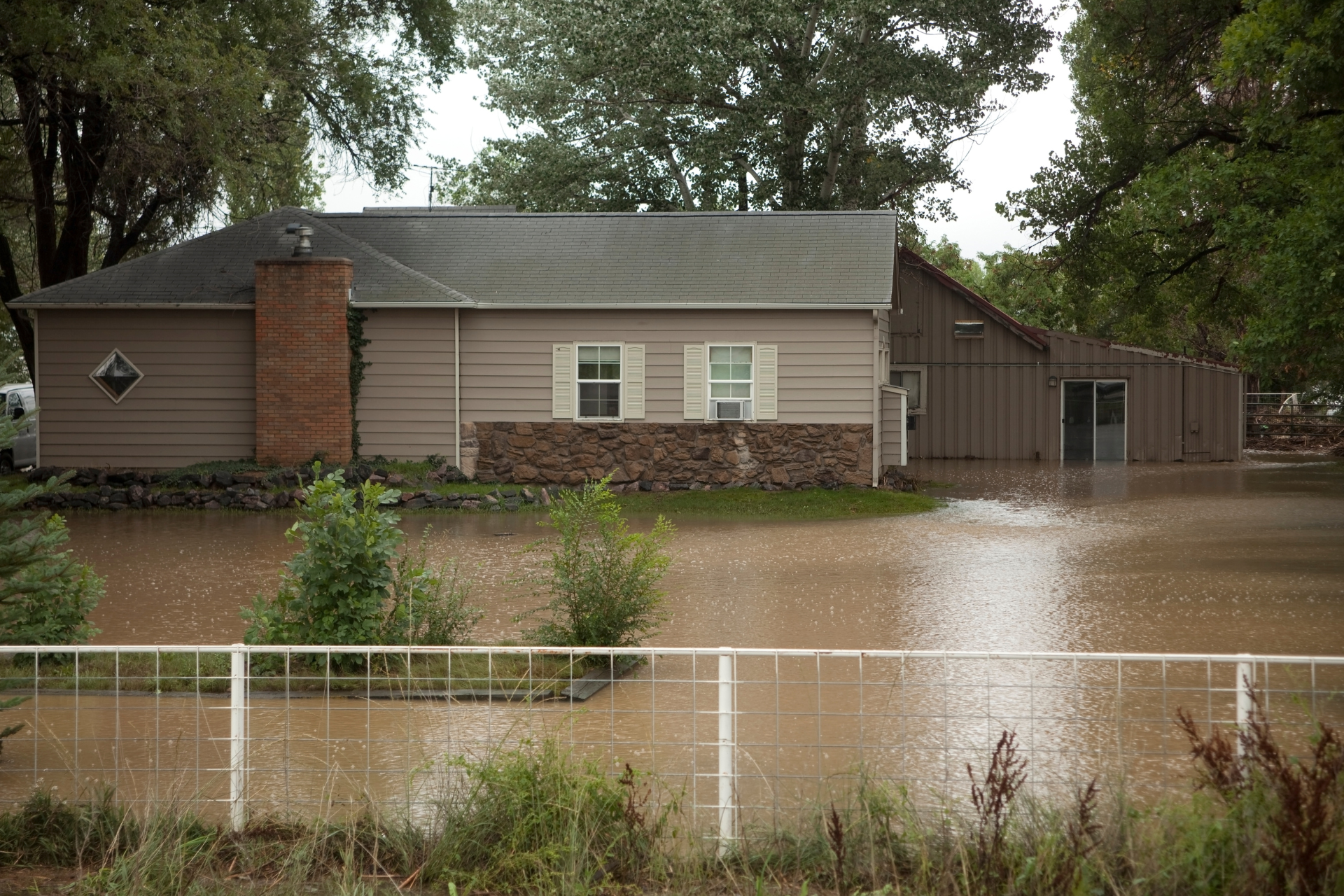
Utah is known for its stunning landscapes and welcoming community, but unfortunately, the state is also no stranger to flooding. Whether it's due to heavy rain, snowmelt, or a burst pipe, flooding can wreak havoc on homes and businesses, causing extensive water damage and posing serious health risks. At Utah Flood Guys, we understand the urgency of addressing water damage promptly and effectively. In this blog post, we will explore the top 10 causes of flooding in Utah homes and provide practical tips on how to prevent them.
1. Heavy Rainfall
Utah is no stranger to sudden and intense rainfall, especially during monsoon season. Heavy rain can overwhelm drainage systems, leading to flooding in basements and low-lying areas. To prevent water infiltration, make sure your gutters are clean and free of debris, and consider installing a sump pump to redirect excess water away from your home.
2. Snowmelt
The spring thaw can bring about rapid snowmelt, increasing the risk of flooding in homes near rivers or streams. Proper insulation and ventilation in your attic can help prevent ice dams, which can lead to water seepage into your home. Additionally, ensure that your downspouts are directing water at least five feet away from your foundation to prevent flooding.
3. Plumbing Failures
Leaky pipes, burst pipes, and faulty plumbing fixtures are common causes of indoor flooding. Regularly inspect your plumbing system for any signs of leaks or corrosion, and promptly repair any issues to prevent water damage. Consider installing a water leak detection system to alert you of any leaks in real-time.
4. Appliance Malfunctions
Washing machines, dishwashers, and water heaters are essential appliances in any home, but they can also be sources of indoor flooding if they malfunction. Inspect and maintain your appliances regularly, checking for signs of wear and tear, and replace any worn-out hoses or connections to prevent potential leaks.
5. Foundation Cracks
Cracks in your home's foundation can allow water to seep into your basement or crawl space, leading to flooding and structural damage. Regularly inspect your foundation for cracks or gaps, and seal them with waterproofing materials to prevent water infiltration.
6. Poor Drainage
Improper grading around your home can cause water to pool near your foundation, increasing the risk of flooding. Ensure that your yard slopes away from your home, directing water towards a drainage system or a low-lying area to prevent water from seeping into your basement.
7. Clogged Drains
Clogged drains in sinks, showers, and toilets can lead to water backup and indoor flooding. Regularly clean your drains using a mixture of vinegar and baking soda to prevent clogs and ensure proper water flow.
8. Landscaping Issues
Poorly designed landscaping can contribute to flooding by directing water towards your home instead of away from it. Consider installing a French drain or a rain garden to redirect rainwater away from your home and prevent flooding.
9. Severe Weather Events
Utah is prone to severe weather events such as flash floods and thunderstorms, which can cause sudden and unexpected flooding. Stay informed about weather forecasts and be prepared with an emergency action plan in case of flooding in your area.
10. Lack of Maintenance
Neglecting routine maintenance tasks in your home can lead to water damage and flooding. Schedule regular inspections of your roof, plumbing system, and foundation, and address any issues promptly to prevent costly water damage.
By understanding the top causes of flooding in Utah homes and taking proactive measures to prevent them, you can safeguard your property from water damage and ensure the safety of your family. If you find yourself dealing with flooding or water damage in your home, don't hesitate to reach out to Utah Flood Guys for professional restoration services. Our team of experts is dedicated to providing fast and reliable water damage restoration, mold removal, and fire damage cleanup services to help you get your life back on track. Stay safe, stay prepared, and remember that prevention is key when it comes to flooding in Utah homes.
You might also like
Utah Flood Guys Blog