Tips for Safely Handling Mold in Utah Homes
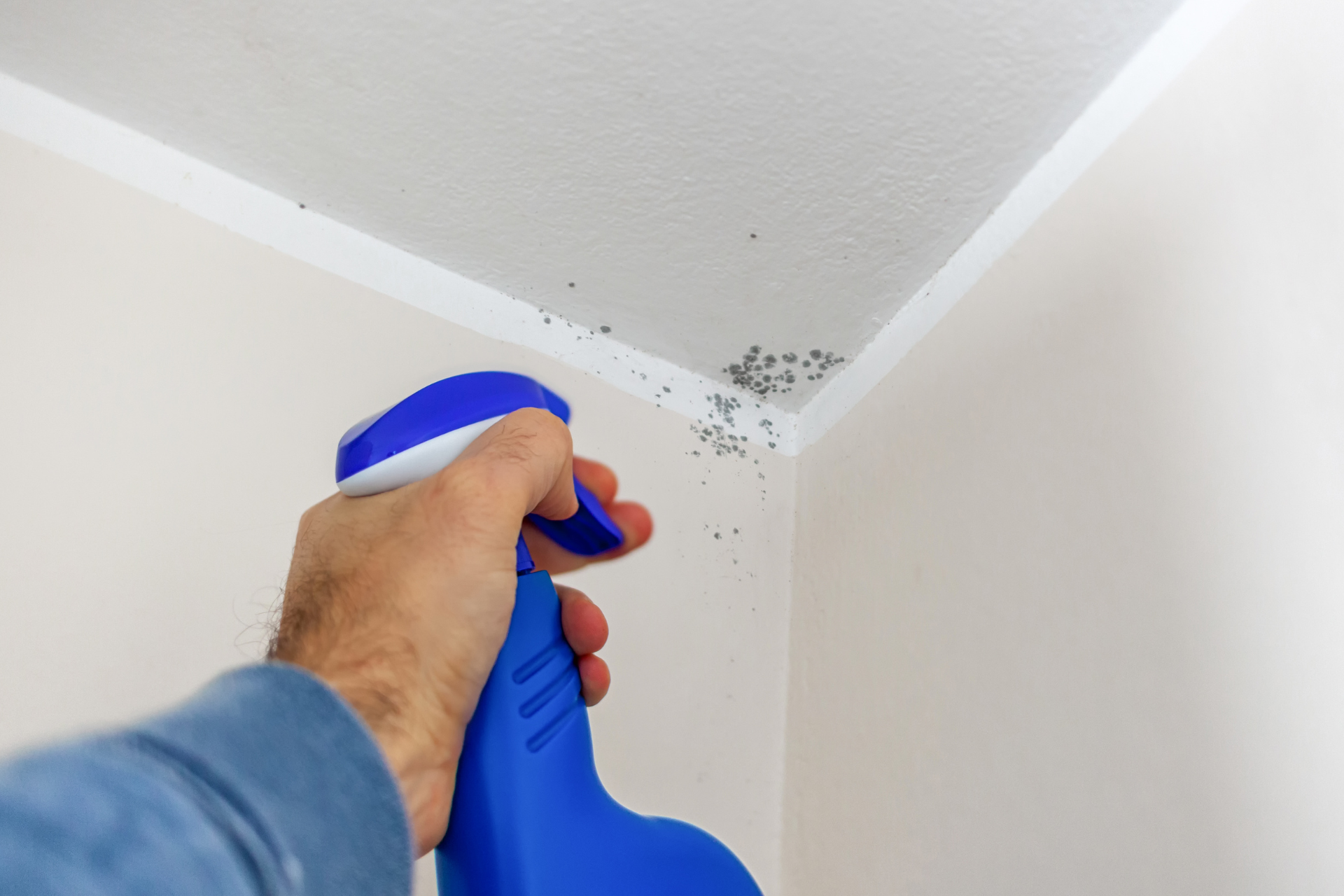
Living in Utah comes with its fair share of beautiful scenery and outdoor adventures, but it can also bring challenges when it comes to home maintenance. One common issue that many homeowners across the state face is dealing with mold. Mold growth in homes can not only be unsightly, but it can also pose health risks if not handled properly. As the go-to restoration experts in Utah, Utah Flood Guys are here to provide you with some valuable tips for safely handling mold in your Utah home.
1. Identify the Mold Problem:
The first step in safely handling mold is to identify the extent of the problem. Keep an eye out for visible signs of mold growth, such as discolored patches on walls, ceilings, or floors. Musty odors or an increase in allergy symptoms can also indicate the presence of mold. If you suspect mold in your home, it's essential to address the issue promptly to prevent it from spreading further.
2. Don't Disturb the Mold:
When you discover mold in your home, resist the urge to disturb it by touching or scrubbing the affected area. Disturbing mold can release spores into the air, potentially causing respiratory issues and spreading the mold to other parts of your home.
3. Wear Protective Gear:
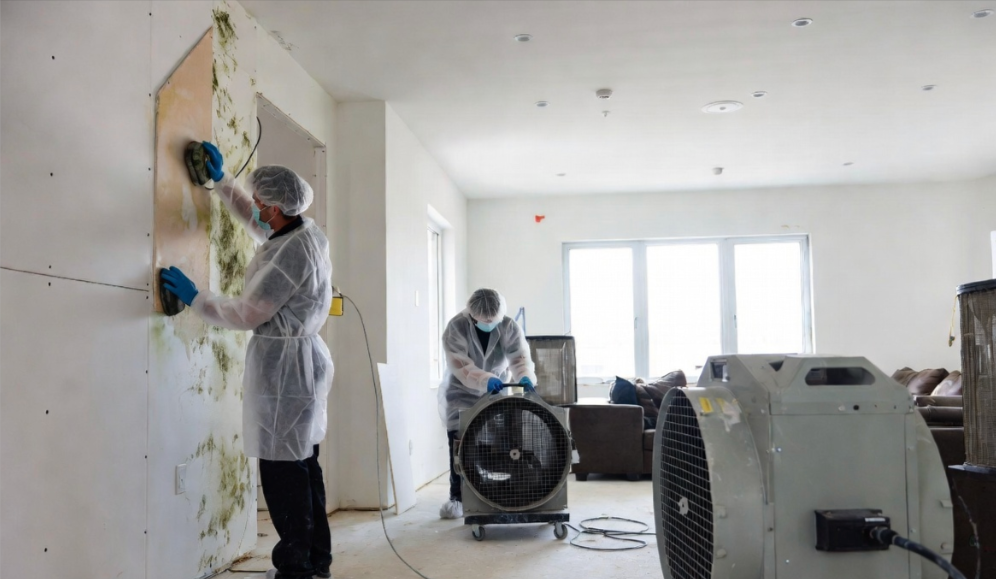
Before attempting to clean or remove mold, make sure to wear proper protective gear, including gloves, a mask, and eye protection. This will help prevent direct contact with mold spores and minimize your risk of exposure.
4. Ventilate the Area:
Proper ventilation is crucial when dealing with mold. Open windows and doors to allow fresh air to circulate and help dry out the affected area. Consider using fans or dehumidifiers to aid in the drying process and discourage mold growth.
5. Use the Right Cleaning Products:
When cleaning mold, it's essential to use the right products to effectively remove and kill the mold spores. Avoid using bleach, as it can be harmful to both you and the environment. Instead, opt for mold-specific cleaners or natural alternatives like vinegar or hydrogen peroxide.
6. Contact Professionals for Severe Cases:
While minor mold problems can often be handled with DIY methods, more extensive mold infestations require professional intervention. Utah Flood Guys are experts in mold removal and restoration services, equipped with the knowledge and tools to effectively address severe mold issues in Utah homes.
7. Address Underlying Moisture Issues:
Mold thrives in damp, humid environments, so addressing any underlying moisture issues in your home is crucial to preventing mold growth in the future. Be proactive about fixing leaks, improving ventilation, and maintaining proper humidity levels to create an inhospitable environment for mold.
8. Monitor for Recurrence:
After addressing a mold problem in your home, it's essential to monitor the area regularly for any signs of recurrence. Keep an eye out for new mold growth or musty odors, and address any issues promptly to prevent mold from spreading.
Dealing with mold in your Utah home can be a daunting task, but with the right information and precautions, you can safely handle mold and protect your home and your family. Remember, when in doubt, don't hesitate to reach out to the professionals at Utah Flood Guys for expert mold removal services in Utah. Stay safe, stay vigilant, and keep your Utah home mold-free!
You might also like
Utah Flood Guys Blog