The Science Behind Mold Growth: Understanding the Basics
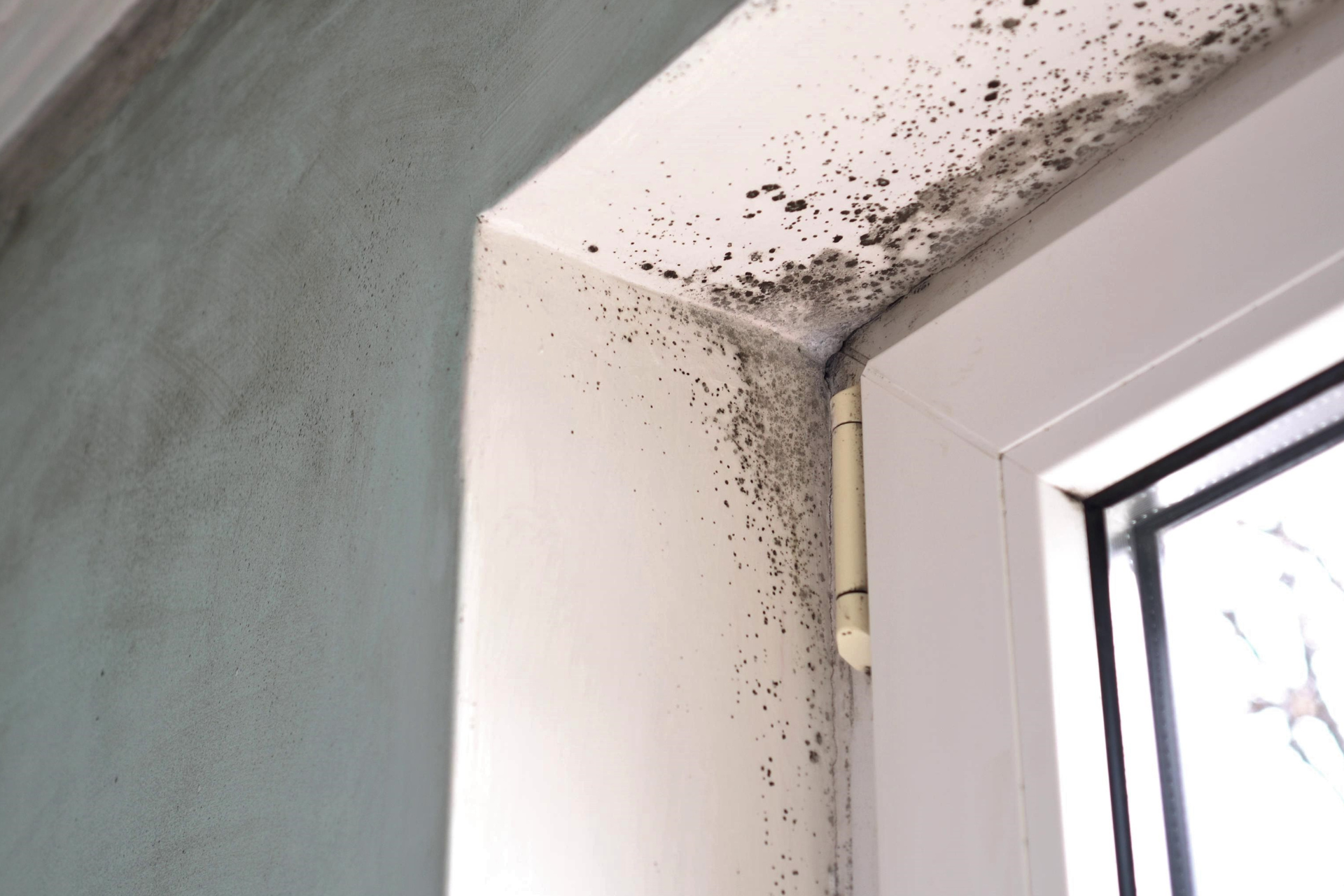
Hey there, disaster warriors! Today, we're diving into the nitty-gritty world of mold growth. Mold is not just a pesky nuisance; it can pose serious health risks and wreak havoc on your property. Understanding the basics of mold growth is key to preventing its spread and ensuring your living or working space remains safe and healthy. So grab a cup of coffee and let's geek out on the science behind mold with Utah Flood Guys!
What Exactly is Mold?
Mold is a type of fungus that thrives in damp, humid environments. It reproduces through tiny spores that float in the air, waiting for the perfect conditions to settle and grow. These spores are everywhere around us, but they only become an issue when they find a suitable surface to grow on, such as walls, ceilings, carpeting, or wood.
The Perfect Conditions for Mold Growth
Mold requires three key elements to grow: moisture, warmth, and organic material. In homes or businesses, common sources of moisture can be leaks, flooding, high humidity levels, or condensation. Once mold finds a damp spot, it can start feeding on organic materials like drywall, wood, or fabrics. Add a bit of warmth to the mix, and you've got a recipe for mold growth.
The Lifecycle of Mold
Mold growth follows a distinct lifecycle, starting from spore germination to the formation of colonies. When mold spores land on a suitable surface and find moisture, they begin to germinate and develop into hyphae – thread-like structures that penetrate the material. As the hyphae grow and spread, they form a network called mycelium, which eventually leads to the visible mold colonies we're all too familiar with.
Health Risks Associated with Mold
Mold is not just unsightly; it can also trigger various health issues, especially for individuals with allergies or respiratory conditions. Exposure to mold spores and mycotoxins – toxic substances produced by some molds – can lead to symptoms like coughing, sneezing, skin irritation, and even more severe respiratory problems. That's why prompt mold removal and prevention are essential to safeguard your health and well-being.
Preventing Mold Growth
Now that we understand the science behind mold growth, how can we keep this unwelcome guest at bay? Here are some tips from your friends at Utah Flood Guys:
1. Keep humidity levels in check
Invest in a dehumidifier to maintain indoor humidity below 60%. Proper ventilation is also crucial in high-moisture areas like bathrooms and kitchens.
2. Fix leaks promptly
Whether it's a dripping faucet or a hidden pipe leak, addressing water issues immediately can prevent mold from taking hold.
3. Regular inspections
Stay vigilant and inspect your property regularly for signs of water damage or mold growth. Early detection can save you from costly repairs down the line.
4. Professional mold removal
If you spot mold in your home or business, don't hesitate to call in the experts. Utah Flood Guys are here to help with efficient and thorough mold removal services.
Understanding the basics of mold growth is the first step in preventing a full-blown mold infestation. By keeping your living or working space dry and well-maintained, you can reduce the risk of mold growth and create a healthier environment for yourself and your loved ones. Stay tuned for more disaster cleanup tips and insights from Utah Flood Guys – your trusted partner in restoration services!
You might also like
Utah Flood Guys Blog