How to Prevent Mold Growth After a Flood
Introduction
Floods can be devastating and leave a trail of destruction in their wake. Aside from the immediate damage caused by water, one of the biggest threats that can arise after a flood is mold. Mold can quickly grow in damp and dark environments, such as those created after a flood, leading to potential health risks and further damage to your property. In this blog post, we'll discuss some practical tips and strategies to help prevent mold growth after a flood, brought to you by Utah Flood Guys, your trusted restoration company in Utah.
1. Act Quickly
The key to preventing mold growth after a flood is to act quickly. As soon as it is safe to do so, start the cleanup process. Remove standing water using pumps and dehumidifiers to dry out the affected areas. Mold spores can start to grow in as little as 24-48 hours, so prompt action is crucial.
2. Proper Ventilation
Once the water has been removed, it's essential to promote proper ventilation in your property. Open windows and doors to allow fresh air to circulate, and use fans to help speed up the drying process. Mold thrives in stagnant, humid environments, so adequate ventilation is crucial to prevent its growth.
3. Remove Damaged Materials
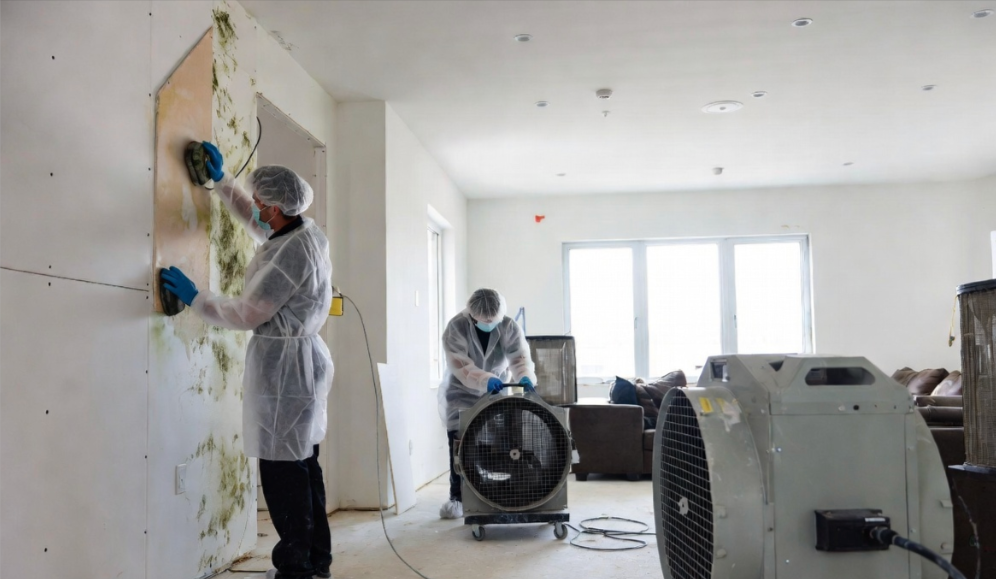
Any porous materials that have been affected by floodwaters, such as carpeting, drywall, and insulation, should be promptly removed and disposed of. These materials can harbor mold spores and are difficult to thoroughly clean and dry. By removing them, you can prevent the spread of mold to other areas of your property.
4. Clean and Disinfect
After removing damaged materials, thoroughly clean and disinfect all surfaces in your property. Use a solution of water and detergent to scrub walls, floors, and other surfaces that came into contact with floodwaters. Follow this up with a disinfectant to kill any remaining mold spores and bacteria.
5. Monitor Moisture Levels
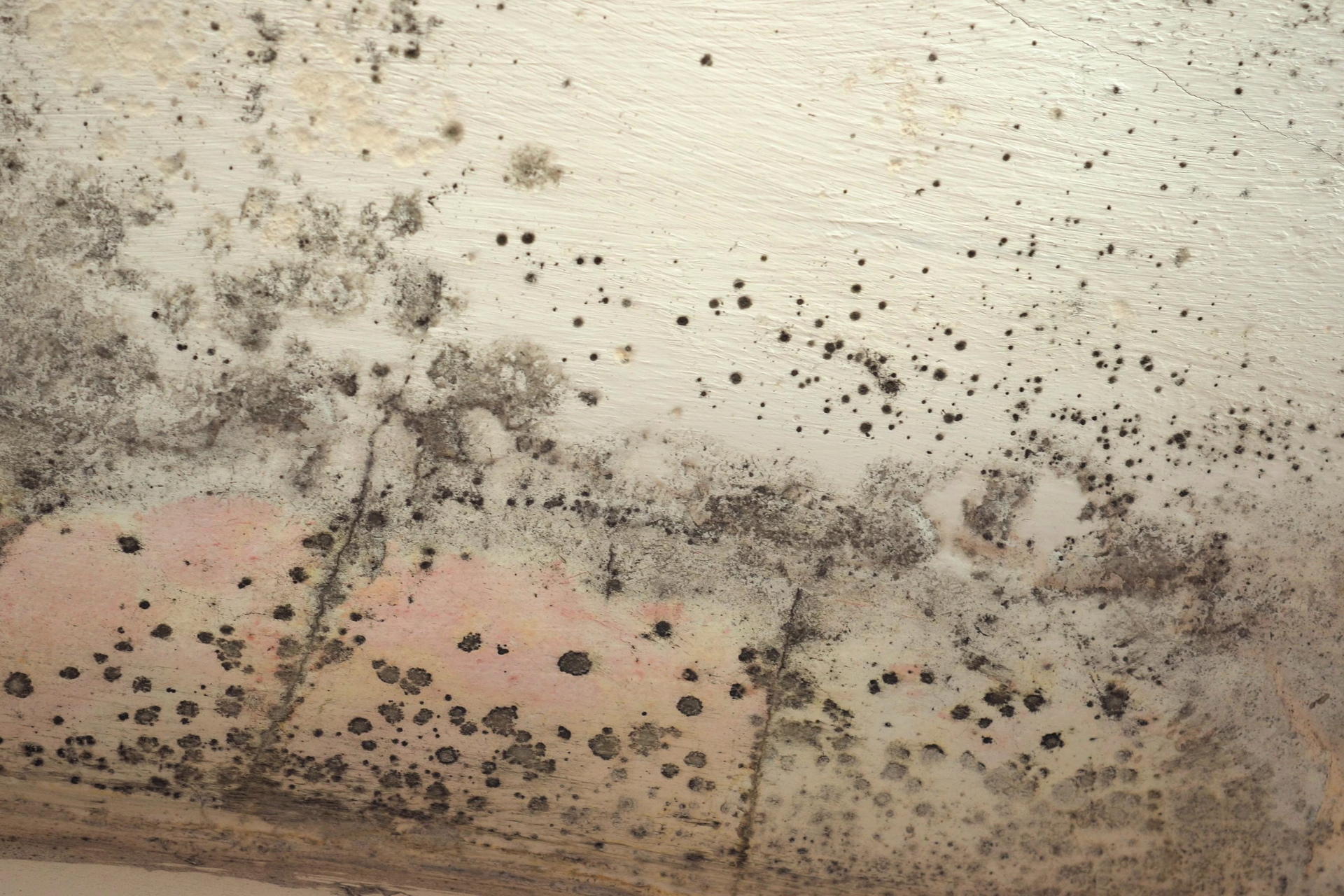
Even after the initial cleanup, it's important to monitor the moisture levels in your property. Use a moisture meter to check for any residual dampness, especially in hidden or hard-to-reach areas. Keep an eye out for signs of mold growth, such as musty odors and discolored patches on walls or ceilings.
6. Seal Cracks and Leaks
Mold thrives in damp environments, so it's crucial to seal any cracks or leaks in your property that could allow water to seep in. Check your roof, windows, doors, and foundation for any signs of damage and repair them promptly. By keeping water out, you can reduce the risk of mold growth.
7. Consult Professionals
If you're dealing with extensive water damage or are unsure how to effectively prevent mold growth, it's wise to consult professionals like Utah Flood Guys. Our experienced team can assess the situation, provide expert advice, and offer comprehensive restoration services to ensure your property is thoroughly cleaned and restored.
In conclusion, preventing mold growth after a flood requires swift action, proper ventilation, thorough cleaning, monitoring moisture levels, and sealing cracks and leaks. By following these tips and seeking professional help when needed, you can protect your property from the damaging effects of mold. Remember, prevention is key when it comes to dealing with mold after a flood. Stay safe, stay dry, and don't let mold take hold!
You might also like
Utah Flood Guys Blog