The Pros and Cons of Mold Removal Foggers

Mold is a persistent problem that can arise in many homes and businesses, especially in areas prone to moisture. One method many people turn to for tackling this unwanted fungus is the use of mold removal foggers. At Utah Flood Guys, we understand the importance of keeping your spaces safe and mold-free, so let’s dive into the pros and cons of using foggers for mold removal.
Pros of Mold Removal Foggers
1. Effective Reach
One of the greatest advantages of foggers is their ability to disperse mold-inhibiting solutions throughout an area. The small particle size of the fog allows it to reach nooks and crannies that conventional cleaning methods might miss. This means you can effectively tackle hidden mold growth that may not be visible to the naked eye.
2. Time-Saving
When dealing with mold, speed is key. Foggers can cover large areas quickly, making them a time-efficient solution. Instead of scrubbing and scrapping one surface at a time, fogging allows for a more comprehensive and thorough approach, saving you countless hours.
3. Simple Operation
Most foggers are relatively straightforward to use. Pour in the mold removal solution, set your desired settings, and let the fogger do its work. This ease of use makes them an appealing option for those who may not have experience with mold remediation.
4. Less Mess
Unlike other traditional methods that can leave a mess behind—think buckets, sponges, and brushes—fogging tends to be a cleaner option. The mist evenly disperses the solution, helping to ensure that you don’t have to worry about significant residue to clean up afterward.
Cons of Mold Removal Foggers
1. Potential Overuse of Chemicals
While foggers are effective, there’s a risk of using too much chemical solution. This not only raises safety concerns but can also lead to potential residue issues. It’s important to follow manufacturer guidelines and consider safer alternatives when dealing with sensitive environments.
2. Limited Penetration
Although foggers are great for dispersing solutions, they may not penetrate deeply into porous materials, like drywall or wood. Mold that has invaded these materials may require more intensive methods of remediation, such as removal and replacement.
3. Safety Precautions
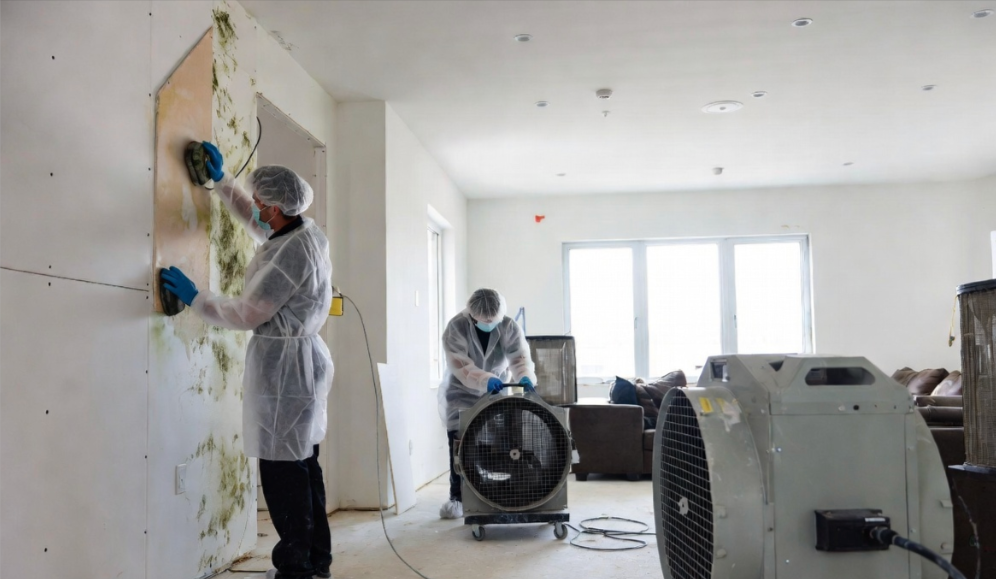
Using a fogger requires certain safety measures. You should wear protective gear, ensure proper ventilation, and keep pets and children away while the fogger is in use. This added layer of complexity may discourage some from opting for this method.
4. Follow-Up Needed
Fogging is just one step in the mold removal process. After using a fogger, it’s essential to follow up with inspections and potentially more targeted mold remediation efforts. Ignoring this could lead to the same problem resurfacing down the line.
Conclusion
At Utah Flood Guys, we believe that understanding both the pros and cons of mold removal foggers can help you make informed decisions about your mold remediation process. While foggers can be an effective and efficient tool, it is crucial to consider their limitations and be ready to use them as part of a broader strategy for effective mold management. Always remember, when in doubt, consult with professionals to ensure that your home or business remains a safe, mold-free environment.
You might also like
Utah Flood Guys Blog