The Impact of Humidity on Mold Growth and How to Control It
Hey there, disaster warriors! Today, we're diving into a topic that might not be the most glamorous, but it's crucial for anyone dealing with water damage or mold issues. We're talking about the impact of humidity on mold growth and, most importantly, how you can take control of it to protect your home or business.
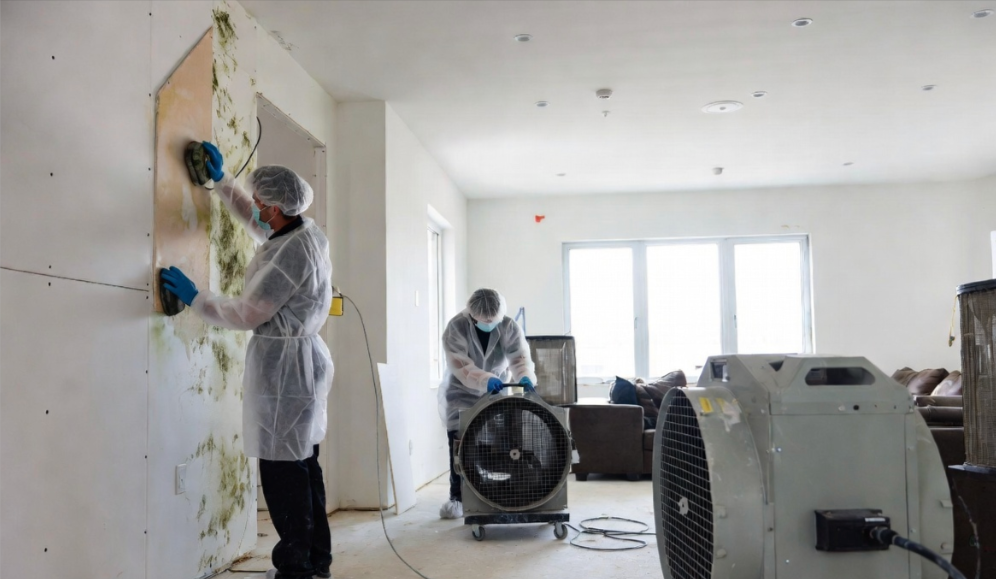
As the Utah Flood Guys, we've seen our fair share of mold infestations caused by excess moisture in the air. Mold thrives in damp environments, making humidity levels a key factor in its growth. The higher the humidity, the more likely mold spores are to take hold and start colonizing. This is especially true in areas that have experienced water damage or flooding, as mold can quickly become a secondary issue to contend with.
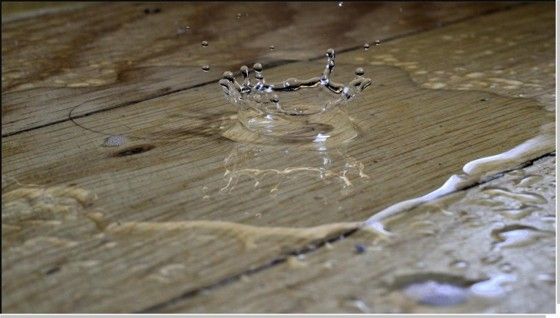
So, how exactly does humidity contribute to mold growth? It all comes down to moisture. Mold spores are everywhere, just waiting for the right conditions to sprout into a full-blown infestation. When humidity levels are above 60%, those spores find the perfect environment to multiply and spread. This can happen in as little as 24 to 48 hours after a water event, such as a burst pipe or a leaky roof.
Controlling humidity is essential for preventing mold growth and avoiding the need for mold removal services. Here are some practical tips to help you keep moisture levels in check:
1. Invest in a dehumidifier
A dehumidifier is your best friend when it comes to reducing indoor humidity levels. Place one in areas prone to moisture buildup, such as basements, bathrooms, and laundry rooms, to keep mold at bay.
2. Ventilate properly
Good ventilation is key to preventing stagnant air and moisture accumulation. Use exhaust fans in kitchens and bathrooms, and open windows when weather permits to allow fresh air to circulate.
3. Fix leaks promptly
A small leak might not seem like a big deal, but even minor water intrusion can lead to mold growth over time. Inspect your plumbing regularly and address any leaks or drips immediately.
4. Monitor humidity levels
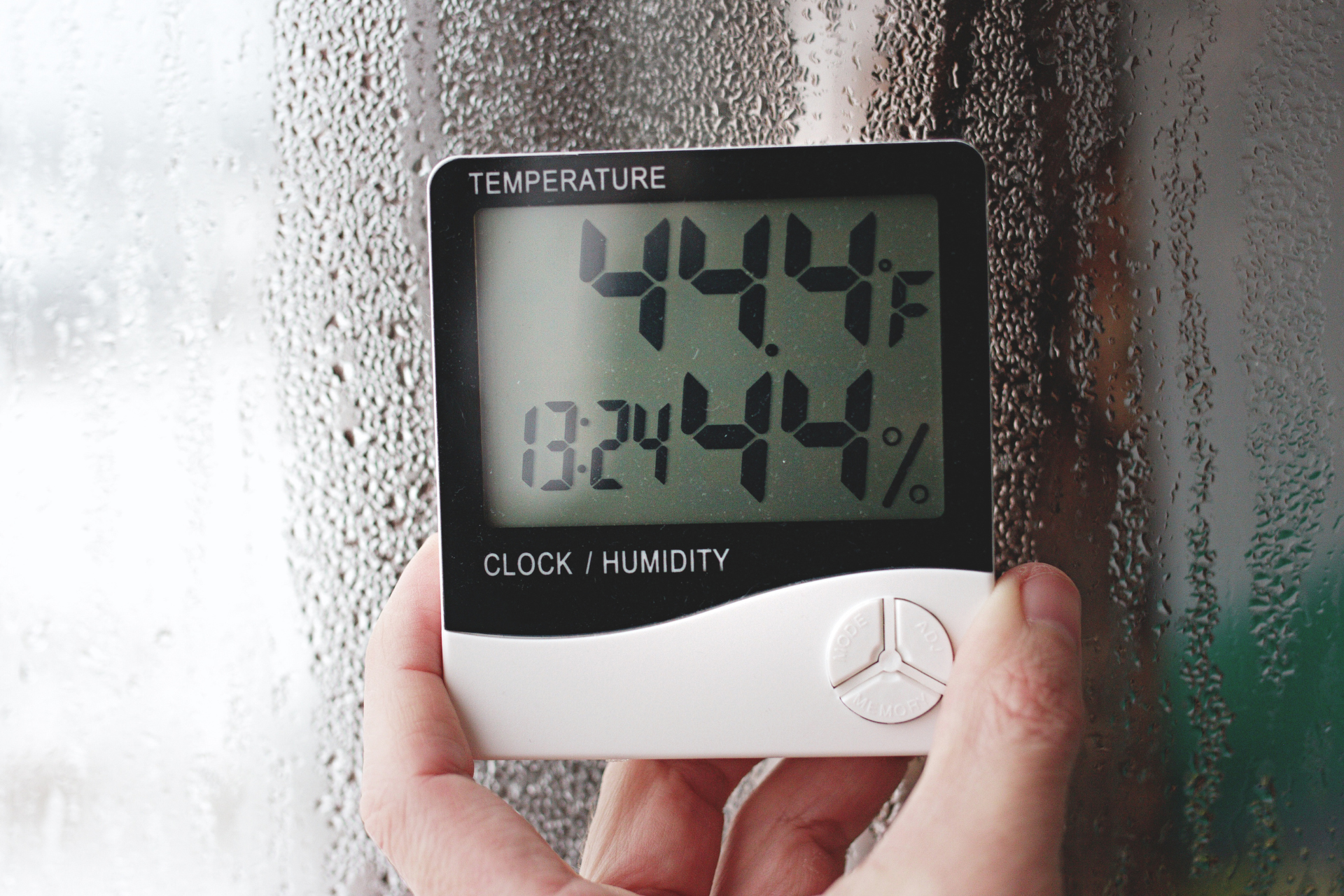
Keep an eye on indoor humidity levels using a hygrometer. Aim to maintain levels below 60% to discourage mold growth. If levels are consistently high, take steps to address the root cause.
5. Clean and dry water-damaged areas promptly
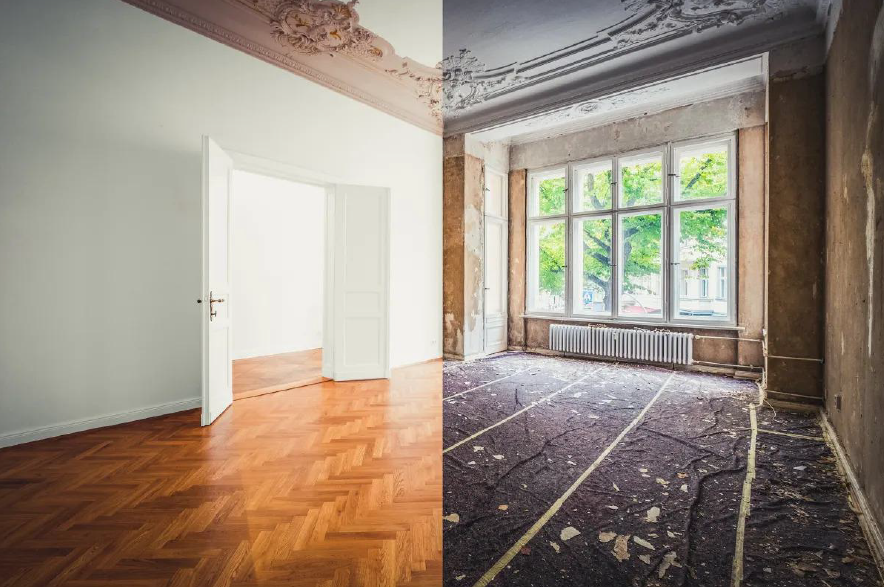
If you've experienced a water event, such as a flood or a burst pipe, act fast to clean up and dry out the affected area. Mold can start growing within hours, so don't delay in starting the restoration process.
By taking control of humidity levels in your home or business, you can significantly reduce the risk of mold growth and the need for mold removal services. Remember, prevention is always better than cure when it comes to dealing with mold issues.
At Utah Flood Guys, we're here to help you navigate the aftermath of water damage, mold infestations, and other disasters. Our experienced team is ready to tackle any restoration challenge and restore your property to its pre-loss condition. Don't let humidity and mold take control of your space – reach out to us for expert assistance and peace of mind.
Stay safe, stay dry, and remember that we're in this together!
Until next time,
The Utah Flood Guys
You might also like
Utah Flood Guys Blog