Preparing Your Home for Flood Season: Essential Tips
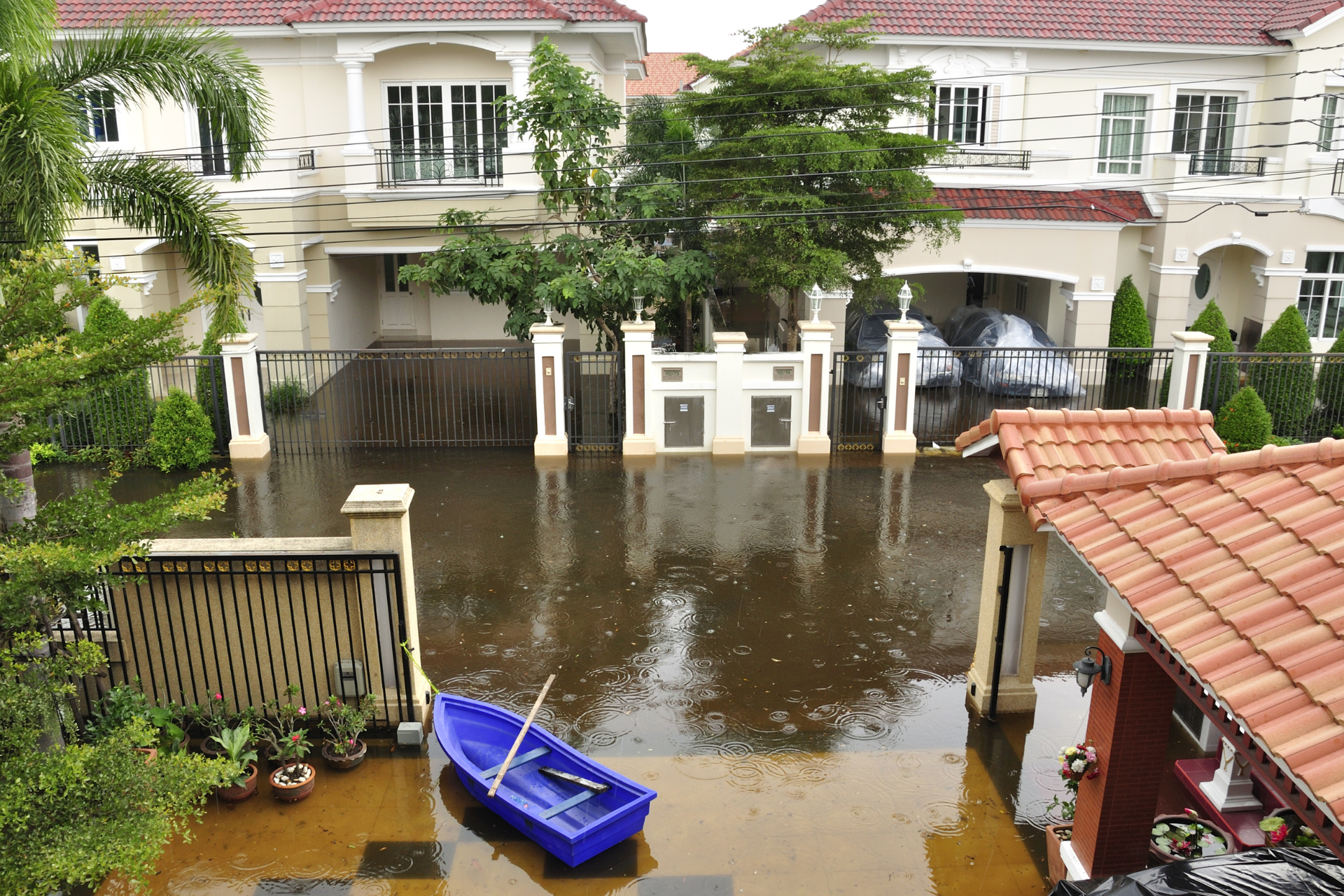
As the seasons change and the weather becomes more unpredictable, it's important to be prepared for the possibility of flooding in your area. Floods can cause extensive damage to homes and properties, leading to costly repairs and disruptions to daily life. As the leading experts in disaster cleanup, Utah Flood Guys is here to provide you with essential tips on how to prepare your home for flood season, ensuring you and your loved ones stay safe and minimize potential damage.
1. Keep Gutters and Drains Clear
One of the most effective ways to prevent flooding in your home is to keep your gutters and drains clear of debris. Clogged gutters can lead to water overflowing and pooling around your foundation, increasing the risk of water seeping into your home. Regularly clean out your gutters and make sure that downspouts are directing water away from the foundation to help prevent water damage during heavy rainfall.
2. Install Sump Pumps
Sump pumps are essential in homes prone to flooding, as they help prevent water from accumulating in basements and lower levels. Make sure your sump pump is in good working condition by testing it regularly and keeping the pump and pit clean. Consider installing a battery-powered backup sump pump to ensure it continues to work during power outages, which are common during severe storms.
3. Elevate Appliances and Utilities
To prevent water damage to your appliances and utilities, elevate them off the ground in flood-prone areas of your home. This includes water heaters, furnaces, washers, dryers, and any electrical panels. Elevating these items can help prevent damage caused by flooding and reduce the risk of electrical fires or shock in case of a flood.
4. Seal Cracks and Gaps
Inspect your home for any cracks or gaps that water can seep through during a flood. Seal gaps around windows, doors, and foundations with waterproof caulk or sealant to prevent water infiltration. Consider installing flood barriers or flood shields for vulnerable entry points to further protect your home from water damage.
5. Create a Family Emergency Plan
In the event of a flood, having a family emergency plan in place can help ensure everyone's safety. Create a communication plan with your family members and establish a meeting point in case you are separated during a flood. Prepare an emergency kit with essential supplies such as food, water, medications, and important documents, and store it in a waterproof container in an easily accessible location.
6. Stay Informed
Stay informed about weather forecasts and flood warnings in your area to anticipate potential flooding events. Monitor local news sources, weather apps, and emergency alert systems for updates on flood advisories and evacuation orders. Be prepared to evacuate if necessary and follow instructions from local authorities to stay safe during a flood.
By following these essential tips from Utah Flood Guys, you can take proactive steps to prepare your home for flood season and protect your property from water damage. Remember that prevention is key when it comes to minimizing the impact of floods on your home, so don't wait until it's too late. Stay safe, stay prepared, and don't hesitate to reach out to us for any disaster cleanup needs. Utah Flood Guys is here to help you navigate through any water damage, mold removal, or fire damage that may occur during flood season.
You might also like
Utah Flood Guys Blog