Mold Prevention Tips for Utah's Humid and Arid Climates
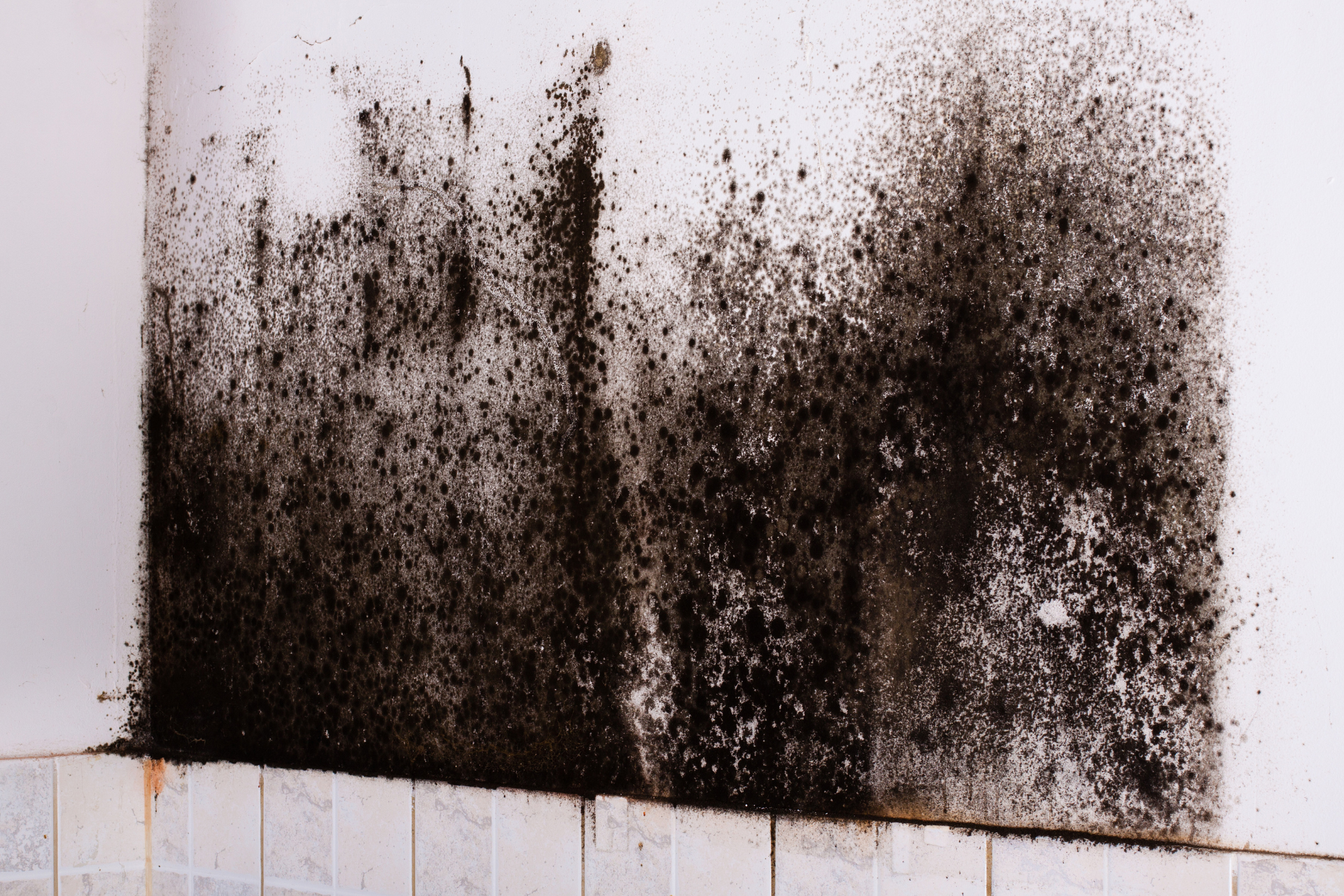
Living in Utah, we are lucky to experience a variety of climates throughout the year. From the dry desert heat to the occasional humid days, our state offers a little bit of everything. However, these changing weather conditions can create the perfect environment for mold growth in our homes. As the go-to experts in disaster clean up, Utah Flood Guys is here to share some essential mold prevention tips to keep your home safe and healthy.
1. Keep Humidity Levels in Check
Utah's arid climate means we typically have lower humidity levels compared to other states. However, during the summer months, humidity can spike, especially after a heavy rain shower. To prevent mold growth, it's important to keep indoor humidity levels between 30-50%. Invest in a dehumidifier to help regulate moisture levels in your home, particularly in areas prone to dampness like basements and bathrooms.
2. Proper Ventilation is Key
Proper ventilation is crucial for preventing mold growth in your home. Ensure that your bathrooms, kitchen, and laundry room are adequately ventilated to reduce moisture build-up. Use exhaust fans while cooking or showering, and keep windows open when weather permits to allow fresh air to circulate. This simple step can make a big difference in controlling mold growth.
3. Address Water Damage Promptly
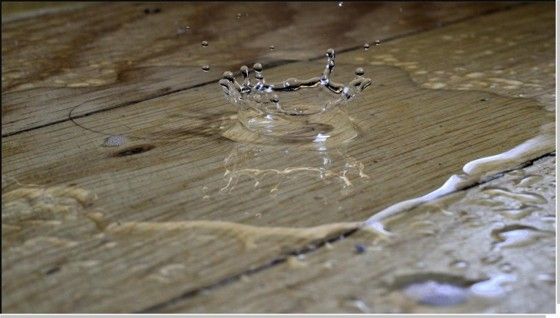
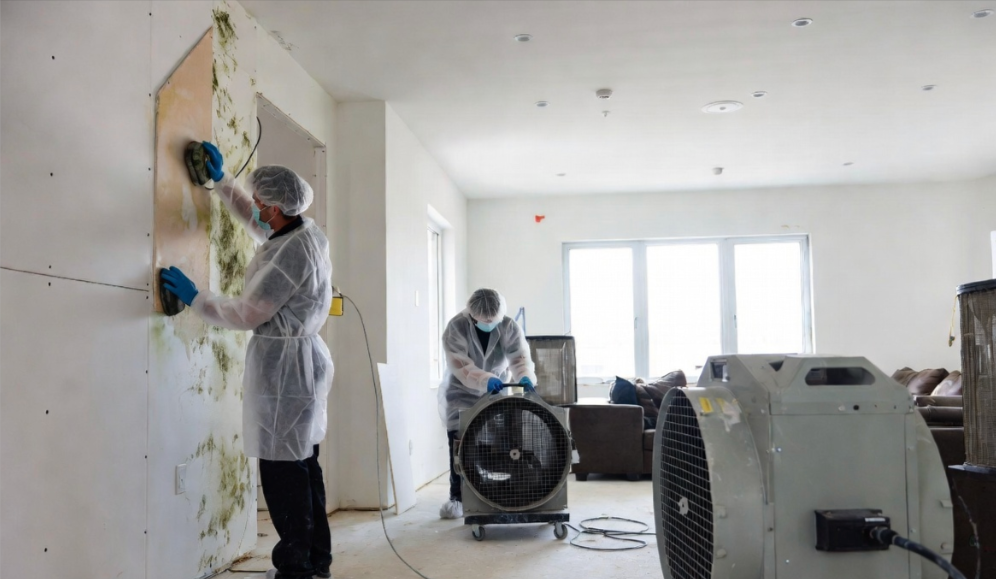
Water damage, whether from a leaky roof or a burst pipe, can quickly lead to mold growth if left unaddressed. Utah Flood Guys specializes in water damage restoration and mold removal, so don't hesitate to reach out if you experience a water-related disaster in your home. The key to preventing mold is swift action, so make sure to address any water damage promptly to minimize the risk of mold growth.
4. Check for Leaks and Condensation
Regularly inspect your home for any signs of leaks or condensation. Check under sinks, around windows, and in basements for water stains, as these can indicate potential mold growth. Fixing leaks and addressing condensation issues can help prevent mold from taking hold in your home. Don't forget to inspect your HVAC system for any leaks that may be promoting mold growth in your ductwork.
5. Keep Your Home Clean and Clutter-Free
Mold thrives in cluttered and poorly ventilated areas. Keep your home clean and clutter-free to reduce the risk of mold growth. Regularly dust and vacuum your home, paying special attention to areas prone to moisture. Wash and dry any damp towels or clothes promptly, and keep surfaces clean and dry to make it harder for mold to grow.
6. Invest in Mold-Resistant Products
If you live in an area prone to mold growth, consider investing in mold-resistant products for your home. From paint to flooring, there are many options available that can help inhibit mold growth and make maintenance easier. Talk to the experts at Utah Flood Guys for recommendations on mold-resistant materials for your home.
By following these mold prevention tips, you can keep your home safe and healthy year-round, no matter what Utah's climate throws at you. Remember, if you suspect mold growth in your home, don't hesitate to contact Utah Flood Guys for professional mold removal services. Our team is dedicated to helping Utah residents recover from water damage, mold infestations, and other disasters quickly and efficiently. Stay mold-free and enjoy a safer, healthier home with these simple prevention tips.
You might also like
Utah Flood Guys Blog