Mold and Your Home’s Air Quality: What You Need to Know
When it comes to maintaining a healthy home, air quality is often a topic that gets brushed aside. Many homeowners assume that if they can't see problems like dust or dirt, everything's just fine. However, mold is a sneaky invader that can wreak havoc on both your home and your health. As Utah Flood Guys, we know all too well how important it is to address mold issues head-on, not just for the structural integrity of your home but for your overall well-being. Let’s dive into what you need to know about mold and your indoor air quality.
Understanding Mold Growth
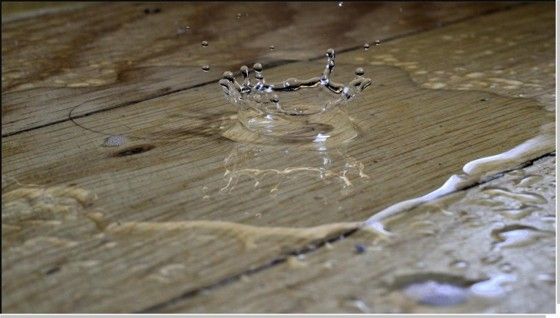
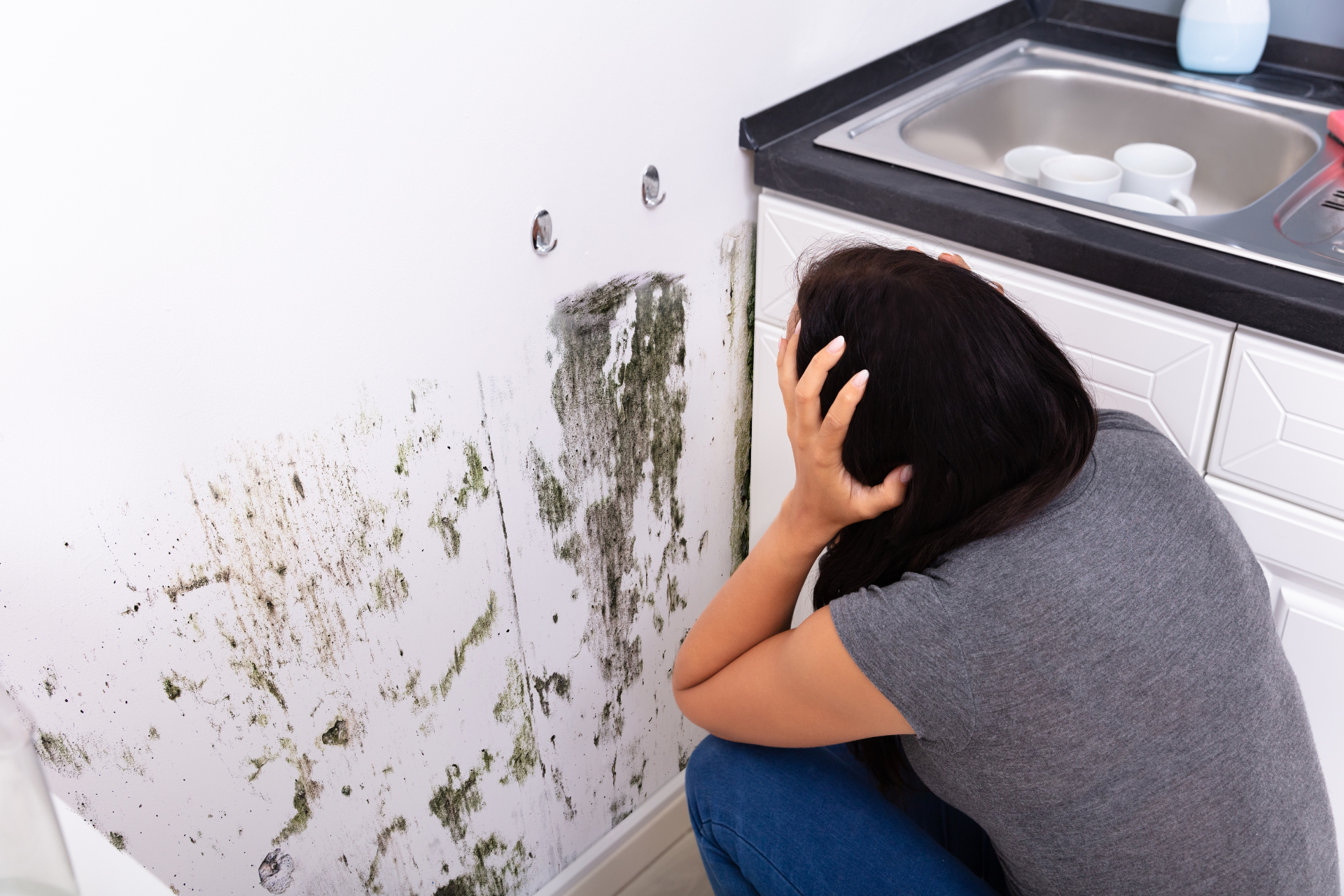
Mold thrives in damp environments, so after any water damage—a leaky roof, a burst pipe, or even a flooded basement—conditions are ripe for mold growth. Mold spores are everywhere, both indoors and outdoors. They only need moisture, a food source (like wood or drywall), and the right temperature to grow. This means that any space in your home that is regularly humid, like bathrooms or kitchens, can easily become a breeding ground.
How Mold Affects Air Quality
Once mold starts to grow, it releases spores into the air. Breathing in these spores can lead to various health issues, especially for those with allergies, asthma, or weakened immune systems. Common symptoms include respiratory problems, skin irritation, and even neurological issues. Moreover, long-term exposure can increase the risk of more severe health complications.
In homes where mold is prevalent, indoor air quality deteriorates. Poor air quality can make your living environment uncomfortable, causing headaches, fatigue, and a general feeling of unwellness. This is where mold becomes more than just an aesthetic issue; it affects your everyday life.
Preventing Mold Growth
Prevention is always better than cure. To keep mold at bay, it’s essential to control moisture levels in your home. Here are some effective tips:
1. Fix Leaks
Address any plumbing issues promptly. Water leaks can create the ideal environment for mold to grow.
2. Use Dehumidifiers
In particularly humid areas of your home, such as basements, consider using a dehumidifier to keep moisture levels low.
3. Ventilation is Key
Make sure your home is well-ventilated. Open windows when weather permits, and use exhaust fans in kitchens and bathrooms to keep humidity down.
4. Regular Inspections
Check areas prone to moisture regularly—under sinks, around washing machines, and in attics. Early detection can save you a lot of trouble down the line.
What to Do If You Find Mold
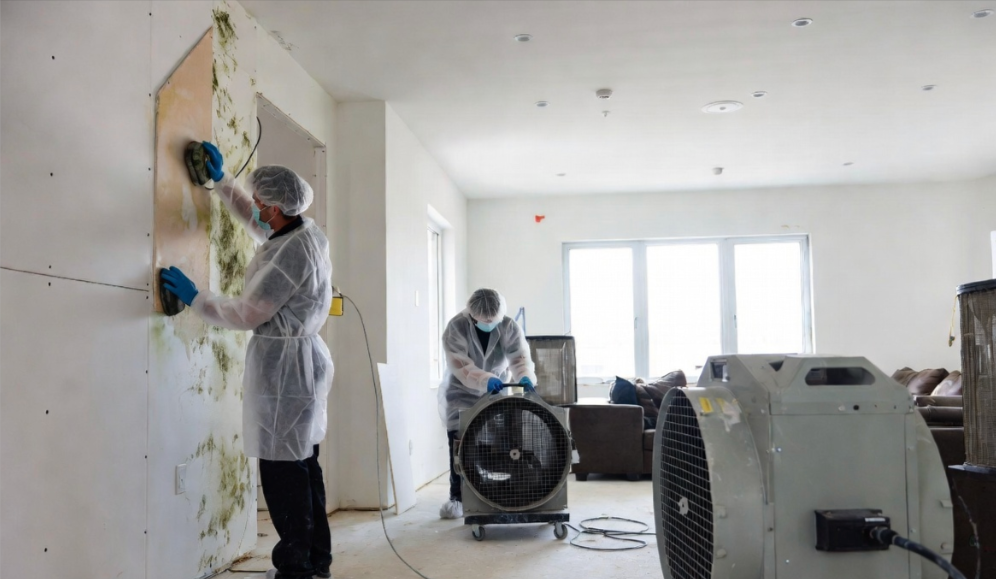
If you spot mold, don’t panic! However, do act quickly. Small areas of mold (less than 10 square feet) can often be cleaned using soap and water, but larger infestations may require professional help. That’s where we, Utah Flood Guys, come in. We specialize in mold removal, ensuring that it’s not only cleaned up but that the conditions promoting its growth are addressed too.
Conclusion
Your home should be a sanctuary, not a source of health problems. Understanding the relationship between mold and indoor air quality is crucial for creating a healthier environment. Regular maintenance, quick repairs, and prompt remediation of mold issues can go a long way. If you ever need assistance dealing with mold or water damage, remember Utah Flood Guys are just a call away—we’re here to help restore your home to its best condition!
You might also like
Utah Flood Guys Blog