Innovative Technologies in Water and Fire Damage Restoration
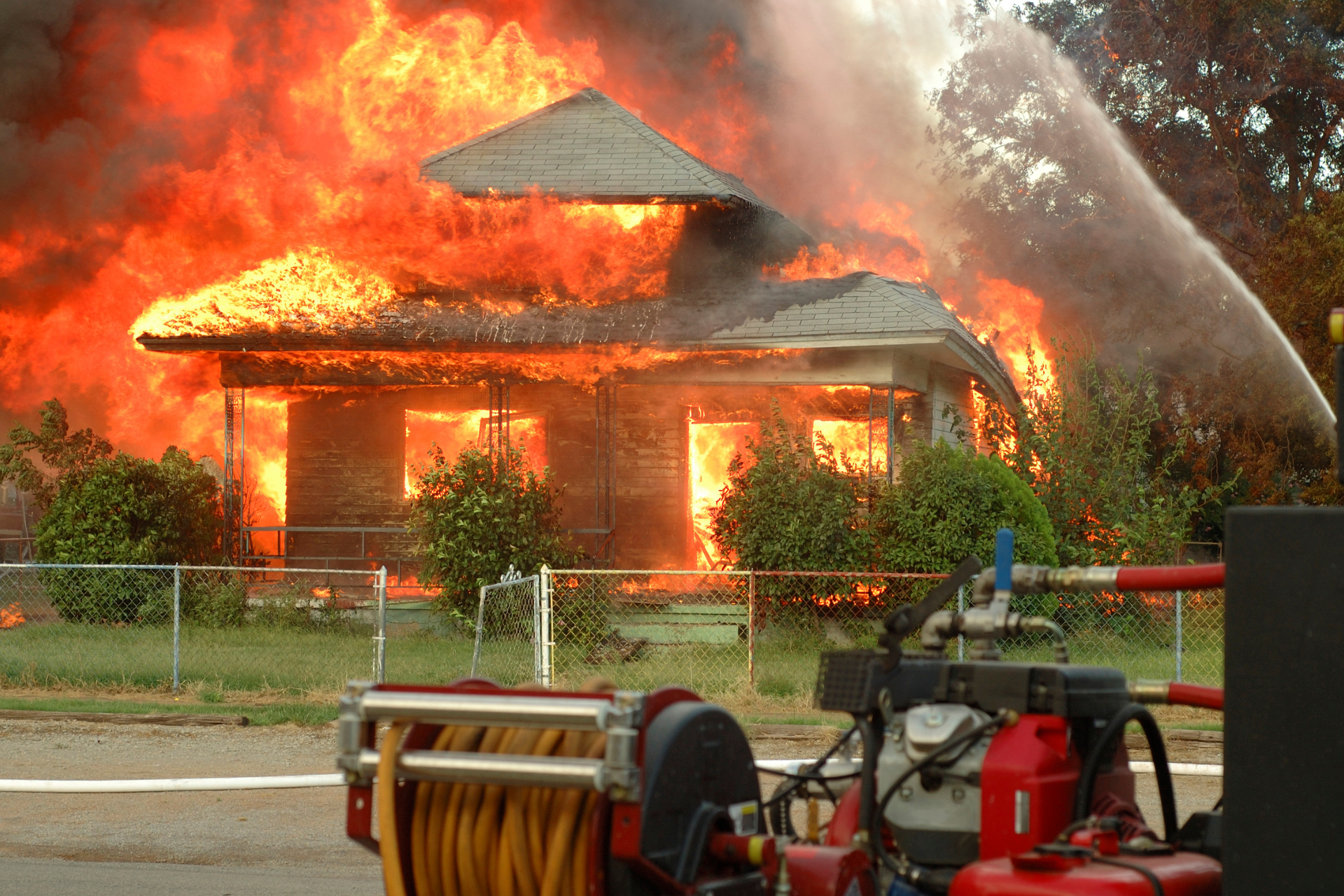
Are you facing the aftermath of a flood or fire in your home or workplace? Dealing with water and fire damage can be a stressful and overwhelming experience, but with the help of cutting-edge technologies, restoration companies like Utah Flood Guys are revolutionizing the way disasters are handled. In this blog post, we'll delve into some of the innovative technologies being used in water and fire damage restoration to ensure faster, more efficient, and thorough cleanup and restoration processes.
1. Thermal Imaging Technology:
One of the key challenges in water and fire damage restoration is identifying hidden moisture and damage that may not be visible to the naked eye. Thermal imaging technology uses infrared cameras to detect temperature differences in surfaces, allowing restoration experts to pinpoint areas of moisture accumulation behind walls, ceilings, and floors. By identifying these hidden pockets of moisture, professionals can effectively mitigate water damage and prevent mold growth, ultimately leading to a more comprehensive restoration process.
2. High-Volume Extraction Equipment:
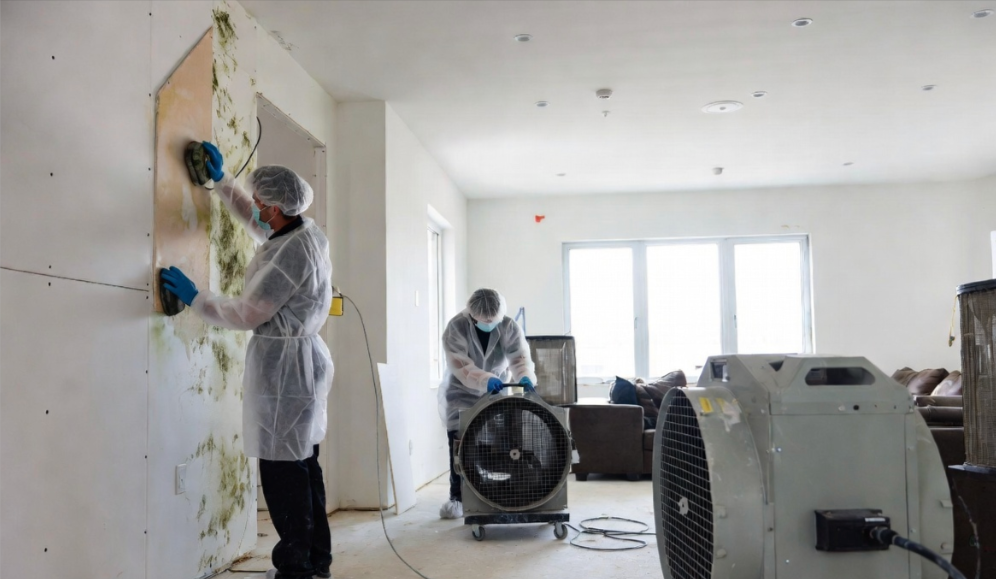
When it comes to water damage restoration, time is of the essence. High-volume extraction equipment, such as powerful pumps and vacuums, are essential for quickly removing standing water from the property. These advanced tools can extract large quantities of water in a fraction of the time it would take with traditional methods, helping to minimize structural damage and reduce the risk of mold growth.
3. Moisture Detection Sensors:
To ensure that all moisture has been successfully removed from the affected areas, restoration companies are utilizing moisture detection sensors. These advanced devices measure the moisture levels in building materials and can help technicians determine the extent of water damage and track the progress of drying efforts. By utilizing moisture detection sensors, professionals can ensure that the property is thoroughly dried and restored to its pre-loss condition.
4. Ozone Treatment:
In cases of fire damage, odors from smoke and soot can linger long after the flames have been extinguished. Ozone treatment is an innovative technology that uses ozone gas to neutralize odors at the molecular level, effectively eliminating unpleasant smells from the property. This eco-friendly method is safe and highly effective in restoring indoor air quality and ensuring a fresh and clean environment after a fire.
5. Thermal Fogging:
Another valuable technology in fire damage restoration is thermal fogging. This advanced method disperses a fine mist of deodorizing agents that penetrate porous materials, neutralizing odors and leaving the space smelling fresh and clean. Thermal fogging is particularly effective in eliminating stubborn smoke odors that may have permeated carpets, furniture, and other surfaces during a fire.
In conclusion, the field of water and fire damage restoration has come a long way thanks to innovative technologies that are revolutionizing the cleanup and restoration process. With the help of tools such as thermal imaging technology, high-volume extraction equipment, moisture detection sensors, ozone treatment, and thermal fogging, companies like Utah Flood Guys are able to deliver faster, more efficient, and more effective restoration services to residential and commercial properties in need. If you find yourself dealing with water or fire damage, trust in the expertise and advanced technologies of professionals to restore your property to its former glory.
You might also like
Utah Flood Guys Blog