Identifying Mold in Your Home: Signs and Symptoms
Have you noticed a musty smell in your home? Or perhaps you've recently experienced water damage from a burst pipe or flooding? If so, you may be at risk of mold growth. Mold can be a common and dangerous issue in homes, causing not only property damage but also health problems. As a leading restoration company in Utah, Utah Flood Guys believes in educating our community on the importance of identifying mold in your home. In this blog post, we'll discuss the signs and symptoms of mold growth and why early detection is crucial for your health and property.
What is Mold?
Mold is a type of fungus that thrives in damp and humid environments. It can grow on various surfaces, including walls, ceilings, floors, and even furniture. Mold reproduces by releasing spores into the air, which can spread easily and rapidly under the right conditions. Exposure to mold spores can trigger allergic reactions, respiratory issues, and other health problems, especially in individuals with compromised immune systems.
Signs of Mold Growth
1. Visible Growth
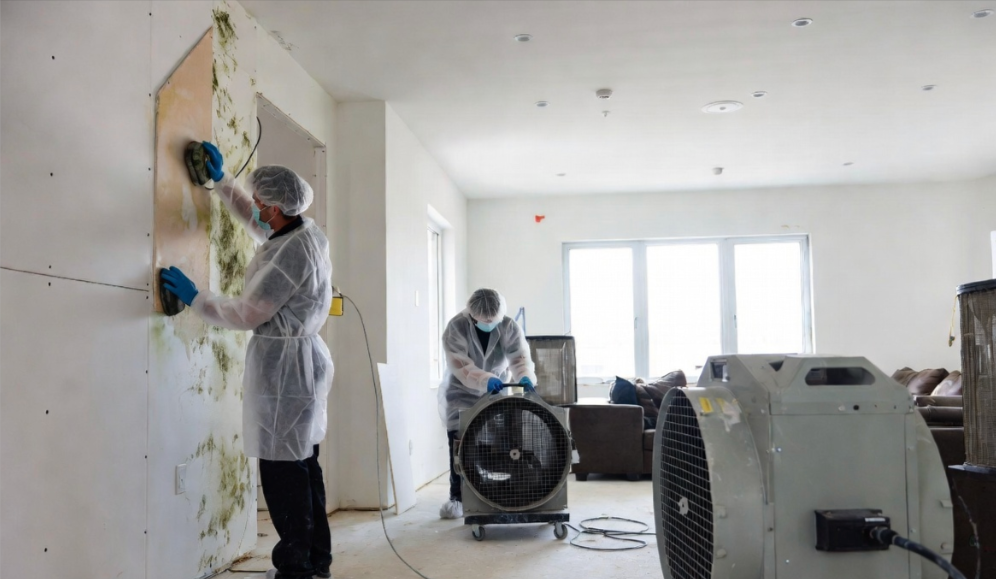
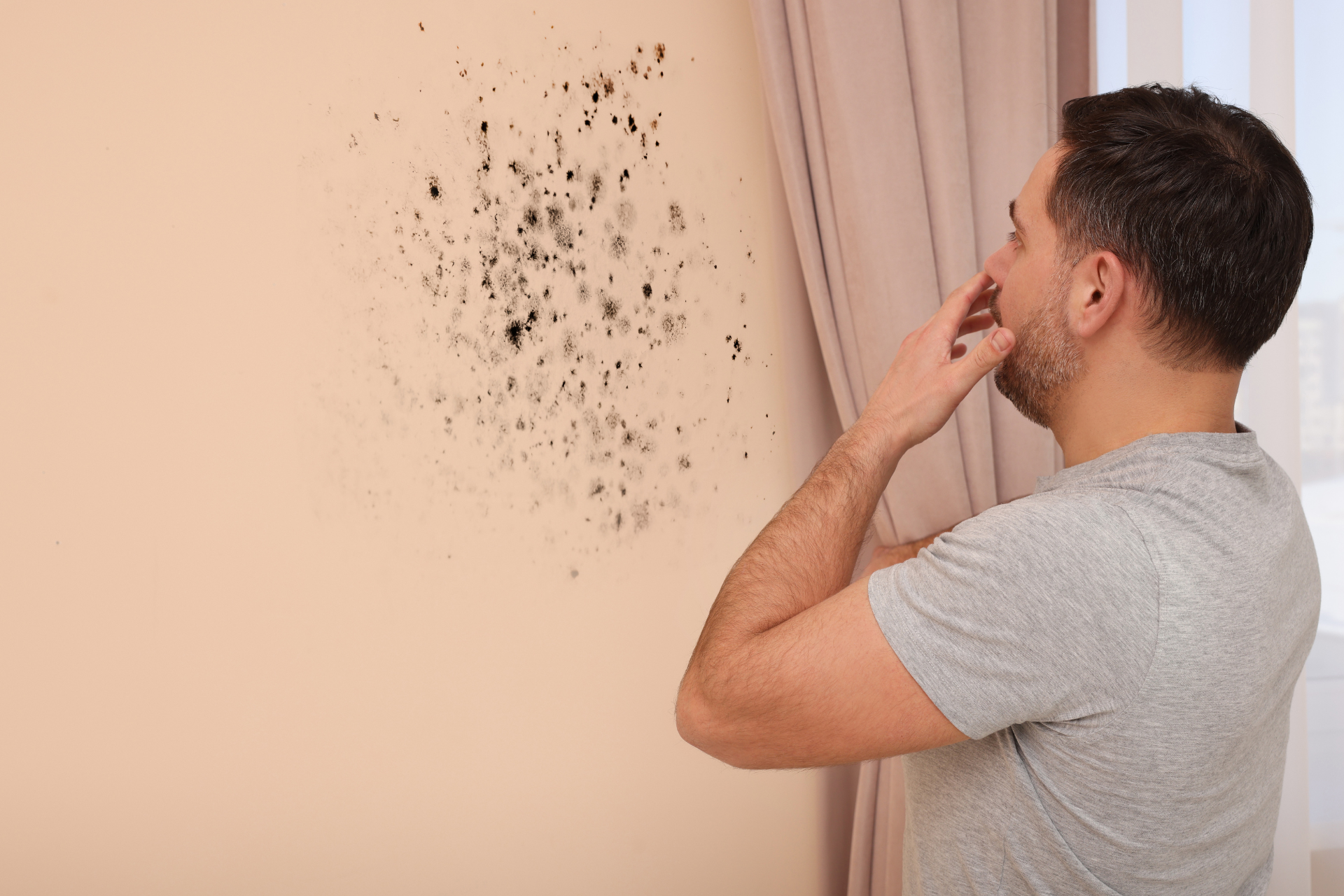
One of the most obvious signs of mold is visible patches of dark, fuzzy growth on surfaces. Keep an eye out for discolored areas on walls, ceilings, or around windows and pipes.
2. Musty Odor
Mold produces a distinct musty smell that is often likened to damp or earthy odors. If you detect a persistent musty smell in your home, it could be a sign of hidden mold growth.
3. Water Damage
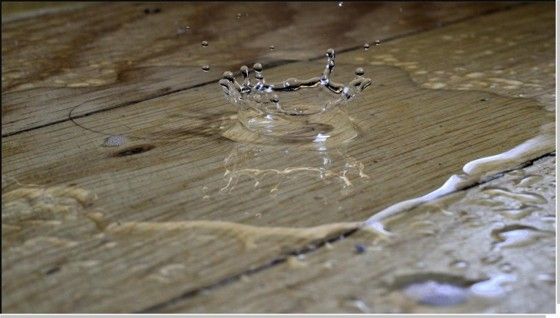
If you've recently experienced water damage from a leak, flood, or burst pipe, your home is at a higher risk of mold growth. Mold thrives on moisture and can start growing within 48 hours of a water intrusion.
4. Health Symptoms
Exposure to mold can cause a range of health symptoms, including coughing, sneezing, nasal congestion, skin irritation, and headaches. If you experience these symptoms consistently, mold may be present in your home.
Why Early Detection is Crucial
Early detection of mold is essential for several reasons. Firstly, mold growth can spread quickly and extensively, causing significant damage to your property and belongings. Addressing mold growth early can help prevent costly repairs and structural issues in the future. Secondly, mold exposure can have serious health consequences, especially for individuals with allergies, asthma, or other respiratory conditions. Identifying and removing mold promptly can help safeguard the health of your family and occupants.
What to Do if You Suspect Mold
If you suspect mold growth in your home, it's essential to act quickly and decisively. Contact a professional restoration company like Utah Flood Guys to conduct a thorough inspection and assessment of the mold problem. Our experienced technicians can identify the extent of the mold growth, locate hidden mold areas, and develop a customized remediation plan to safely remove the mold from your property.
Remember, mold remediation is not a DIY project. Improper handling of mold can lead to further contamination and health risks. Trust the experts at Utah Flood Guys to handle mold removal safely and effectively, restoring your home to a clean and healthy environment.
In conclusion, identifying mold in your home requires vigilance and prompt action. By recognizing the signs and symptoms of mold growth and seeking professional help when needed, you can protect your property and loved ones from the harmful effects of mold. Stay proactive, stay informed, and remember that Utah Flood Guys is here to support you in your mold remediation journey.
You might also like
Utah Flood Guys Blog