How to Prevent Frozen Pipes During Harsh Utah Winters
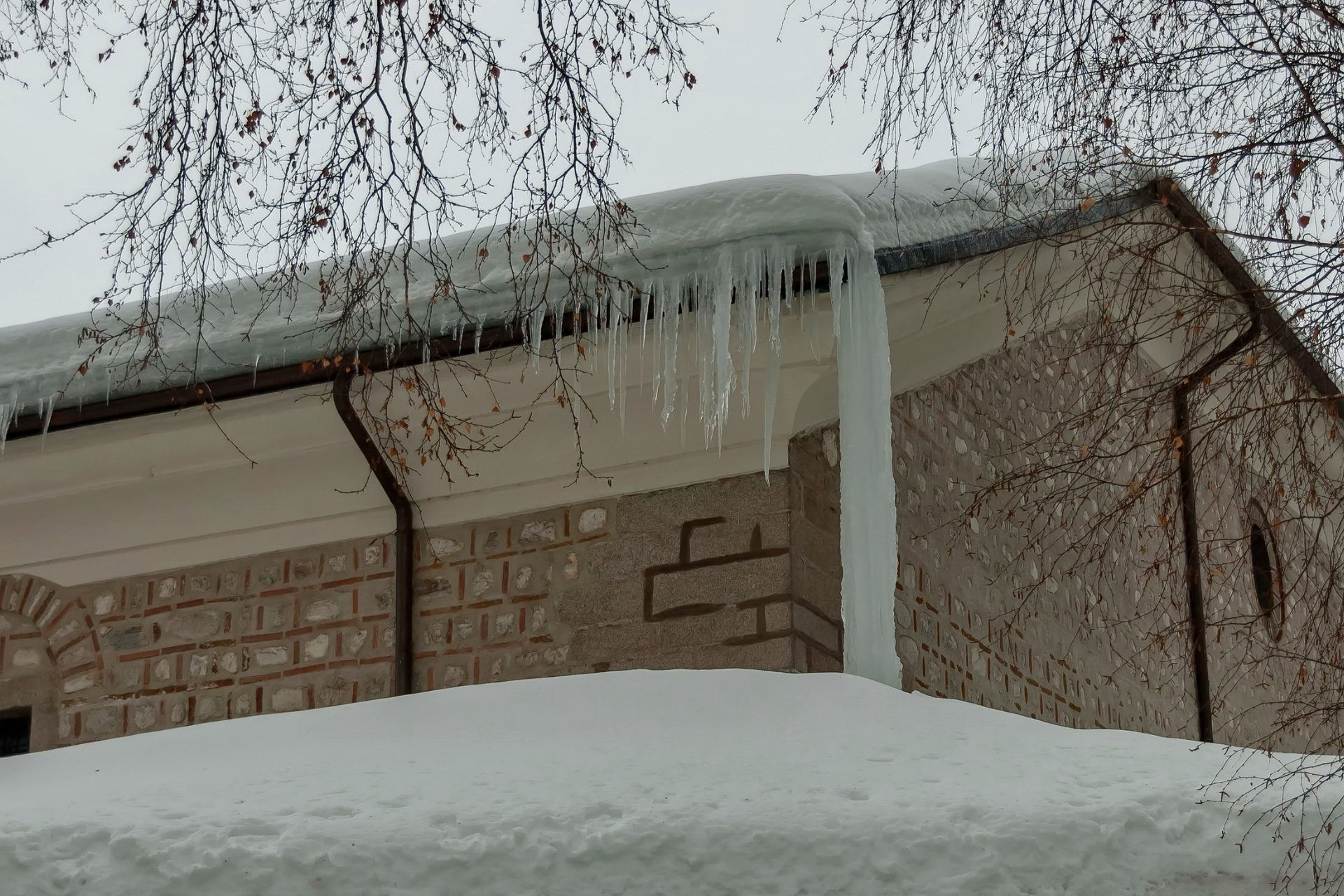
Winter in Utah is nothing short of breathtaking. With snow-capped mountains and serene landscapes, it’s a wonderland for skiers and winter enthusiasts. However, the biting cold can also bring serious challenges for homeowners, particularly when it comes to the threat of frozen pipes. At Utah Flood Guys, we understand the immense damage that frozen and burst pipes can cause, leading to costly repairs and stressful cleanup. Luckily, with a little proactive care, you can help protect your home from the cold’s icy grip. Here are some effective tips to prevent frozen pipes during harsh Utah winters.
1. Insulate Your Pipes
One of the best defenses against freezing pipes is proper insulation. Pay special attention to pipes located in unheated areas, such as garages, crawl spaces, and basements. Wrapping your pipes with insulation sleeves or using heat tape can keep them warm during those frigid nights. Remember, an ounce of prevention is worth a pound of cure!
2. Maintain a Consistent Temperature
While it can be tempting to lower the thermostat during the night or when you’re away, maintaining a consistent temperature is crucial. Keeping your home heated to at least 55°F, even if you’re not home, will help ensure that your pipes stay warm. If extreme temperatures are predicted, consider allowing a trickle of water to run through faucets to keep the water moving and reduce the risk of freezing.
3. Seal Up Drafts
Drafts can quickly chill your home and the water pipes within it. Check around windows and doors for any gaps or cracks and seal them with caulk or weatherstripping. Pay particular attention to areas where pipes enter your home, such as exterior walls. The goal is to create a warm barrier that keeps the cold air out.
4. Open Cabinet Doors
Especially for sinks located against exterior walls, opening the cabinet doors can allow warm air to circulate around the pipes. This is particularly important during extremely cold weather. If you have a sink against an exterior wall and it’s freezing outside, take a moment to open those doors for added protection.
5. Keep Garage Doors Closed
If you have water supply lines running through the garage, make a habit of keeping the garage doors closed during cold weather. This reduces the risk of cold drafts impacting your pipes. If you have a heating source in the garage, consider keeping it on during particularly cold spells.
6. Know Your Pipes
Understanding your home’s plumbing layout can assist you in monitoring at-risk areas. Pipes in poorly insulated or unheated spaces are more susceptible to freezing. If you notice that certain areas have been affected in past winters, prioritize them during your winterization efforts.
7. Stay Informed
Finally, keep an eye on weather forecasts. Being informed about the temperature drops will allow you to take action before it’s too late. If extremely cold conditions are predicted, reinforce your precautions to protect your home from frozen pipes.
In Conclusion
Protecting your home from frozen pipes is a crucial part of winter preparedness in Utah. At Utah Flood Guys, we’re here to help you avoid not just frozen pipes but also the potential disasters they can lead to. If the unthinkable happens and you do end up with water damage, remember that we provide expert restoration services for both residential and commercial properties. Stay warm, stay safe, and don’t let the winter chill dampen your spirits!
You might also like
Utah Flood Guys Blog